Seasonal allergy
 Seasonal allergy is an allergic reaction, which is a protective response of the immune system to various foreign inclusions in the inspired air. In most cases, an allergic reaction is observed on allergens, contact with which occurs in the fresh air, it is usually mold and pollen.
Seasonal allergy in children usually manifests itself at a certain time of the year, but occasionally it can occur all the year round, in case of constant contact with a provoking allergen. Usually, this allergic reaction is manifested by seasonal rhinoconjunctivitis( conjunctivitis) and allergic rhinitis, or pollen seasonal bronchial asthma.
In case the child has an allergic reaction to fruit juices and mashed potatoes, in the spring and summer should be especially careful, becausein this case, after three years the baby may develop a seasonal allergy to pollen. If you look superficially, at first glance there is nothing in common between dandelion and melon, carrot and alder. However, numerous biological studies have shown that in the composition of pollen and fruits of plants there are identical protein molecules, which are the cause of the development of cross-allergic reactions. If a baby's cheeks are red with cherry jam, it is possible that he will sneeze and cough after walking along the birch grove. But if the child is allergic to citrus, then a strong cold can cause a bouquet of chamomile
Seasonal allergy - the causes of
Like all other allergic reactions, seasonal allergies are caused by an attack of immune protection by allergens entering the body through the skin, with food orinhaled air. With seasonal allergies, reaction-provoking allergens, along with inhaled air, enter the mucous membranes of the respiratory tract( lungs, throat, nose and mouth) and eyes. It is very difficult to determine the specific allergen most often. After the initiation of contacting the provoking allergen with the mucous membranes, the leukocytes begin to produce antibodies to these foreign substances, which subsequently leads to the development of an allergic reaction, which is sometimes called hypersensitivity to substances that are harmless in nature.
Flower pollen is the most common allergen in seasonal allergies. Pollen - formed in flowers( the male part of the reproductive organs of all flowering plants) microscopic particles. Pollen of wind-pollinated plants spreads with the movement of air, pollinating( fertilizing) other plants of its kind. Depending on the local climate, for each plant species there is a certain period of pollen release. Some plants are pollinated in spring, others in summer or in the beginning of autumn. And the farther north, the period of pollination occurs later. Pollen of some grasses, trees and weeds( ragweed, etc.) as a cause of the development of an allergic reaction is more likely than others. Pollen pollinated by insects plants is much less allergen than pollen of wind-pollinated.
Mold fungi are another fairly common allergen. Mold is a fairly large group of mushroom families that do not form fruiting bodies. Spores of fungi in contrast to pollen are observed in the air constantly, and their concentration depends on the current conditions, and not on the season. Mold fungi are extremely common and can occur both in the open air, and in agricultural and residential areas. They perfectly feel themselves in the soil, on damp wood and rotting plant remains. In the rooms they often live in places where the air does not circulate freely( bathrooms, attics, cellars, etc.).
The risk factors for the development of seasonal allergies include: the presence of this allergic disease in blood relatives, bronchial asthma, eczema, periodic contact with a provoking allergen, polyps of the nasal cavity. With age, the type of allergens to which an allergic reaction is observed can change, as often the symptomatology itself changes.
Seasonal allergy development periods:
• Spring - flowering time for hazelnuts, plane trees, maples and birches
• Summer - the period of flowering of flowers and cereals
• Autumn - the period of flowering of Compositae( wormwood, quinoa, ragweed)
Allergy seasonal - symptoms
Manifestations of seasonal allergies are not always horrible. In some people, the allergic reaction proceeds quite tolerably, without noticeable changes in appearance and abundant rhinitis. In this case, change the established rhythm of life is not worth it. However, there may be quite severe cases of allergic manifestations, when an obligatory visit to an allergist is required. However, even if the symptoms of seasonal allergies expressed quite weak, the treatment carried out is necessary, as the first picture of the implicit, can begin to progress, moving gradually in asthma and autoimmune diseases.
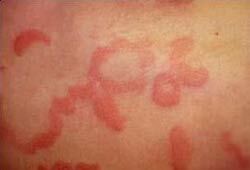
main symptoms of seasonal allergies: runny nose with the release of liquid transparent discharge, sneezing, nasopharyngeal leaking, nasal congestion, feeling of fullness in the ears( ear), bloodshot, watery eyes, insomnia, lack of energy, fatigue, burning and itching in the nose, conjunctival irritation andsoft palate, a rash on the different areas of the skin( between the toes, in the abdomen, groin, etc.)
in the case of symptoms of seasonal allergies appeared to delay the visit to the doctor is not necessary. With the help of a simple procedure, a qualified allergist can easily determine the type of plant that negatively affects health. The very diagnosis is to perform skin tests with a set of the most common in the place of residence of the patient pollen allergens
Seasonal allergies - treatment
Fortunately seasonal allergy specialist treatment is not always required, and it is often quite enough of simple hygiene and avoid contact with the allergen provoking. If these measures were not enough, you can buy an antiallergic drug in any pharmacy.
Home care
Avoid contact with suspected or known allergens. This is achieved by installing in the room protective air filters. Also, doors and windows should be carefully closed, and in case of inevitable contact with the allergen, it is necessary to use protective dressings on the nose and mouth, as well as gloves.
It is necessary as often as possible to take a shower, change clothes, do wet cleaning. You should also get rid of curtains, carpets, carpets and other things that can accumulate dust in large quantities.
In the presence of mild symptoms, washing of the nose and rinsing of the throat slightly salted with warm water helps( on 200 ml of water 2 tablespoons of table salt).To relieve itching in the throat, eyes, and to reduce the common cold can be taken non-prescription antihistamines( diphenhydramine, etc.), But be aware that these drugs have decelerated effect and their reception is absolutely contraindicated in the management of motor vehicles or other vehicles, and high-risk mechanisms.
In case of insufficiency of simple measures, with acute or persistent symptoms, it is necessary to carry out drug treatment, not only to eliminate and alleviate the symptoms, but also to prevent them.
Treatment of seasonal allergies medicines
Corticosteroid nasal sprays fluticasone, triamcinolone, beclomethasone, in the vast majority of cases turn out to be the most effective. Due to the fact that they are applied topically and in an insignificant dosage, these sprays are almost completely devoid of the side effects that characterize corticosteroid preparations. Also, sprays successfully remove puffiness, eliminate itching and nasal congestion, do not cause drowsiness. To achieve a sustainable effect, they should be taken daily for several days.
Another common medication prescribed for the treatment of seasonal allergies are antihistamines, which in most countries are on sale without a prescription( Hydroxysine, Dimedrol, Tripelennamine, Clemastin).All listed antihistamines are relatively inexpensive and are in free sale, but the effect lasts for a relatively short time and besides, they have a strong sedative effect, which is why they are categorically contraindicated to people who, due to their professional activities, require a quick reaction. I would also like to note that in the case of a constant intake, with time the sedative effect decreases, but this also applies to the antiallergic effect, too. As an alternative, the use of long-acting drugs such as Desloratadine, Loratadine, Fexofenadine is possible. Despite the fact that they are more expensive and usually released only on prescription, they should be taken only once a day, and the sedative effect after taking is almost not felt.