Allergy to antibiotics
 Allergy to antibiotics is a common disease of an allergic nature that can occur in people of all age categories. It is thanks to antibiotics that the patient can not only say goodbye to the illness, but also get a lot of other, no less unpleasant side effects.
Allergy to antibiotics - this is quite an urgent problem, which faced a fairly large number of people. Any drug to be released is intended to alleviate the condition of the patient who receives it, but some medicines, in addition to the lack of therapeutic effect, cause additional suffering. The leading place among such drugs is the penicillin group.
Allergy to antibiotics does not occur immediately, since the receipt of an allergenic drug should take a certain time, sometimes up to several days. And the main clinical symptomatology appears only after repeated contact with the allergenic substance. That is why to exclude an allergic reaction to antibiotics, drugs should be selected strictly individually under the direct supervision of the treating doctor.
Allergy after antibiotics develops very quickly and is explained by the reaction of human immune defense to the ingestion of protein components of antibiotics. The only reason for the development of this type of allergy has not been established to date. The risk of hypersensitivity to antibiotics is increased by the following factors: genetic predisposition, the presence of concomitant allergic diseases( allergy to pollen, food allergy, etc.) and some pathologies( cytomegalovirus, lymphocytic leukemia, gout, mononucleosis, HIV).
Allergy to antibiotics is a very serious condition of the body, which can lead to a huge number of side effects, sometimes up to a lethal outcome. Based on this, I want to focus on the fact that without consulting a doctor, you can not prescribe any medications yourself.
Allergy to antibiotics - symptoms of
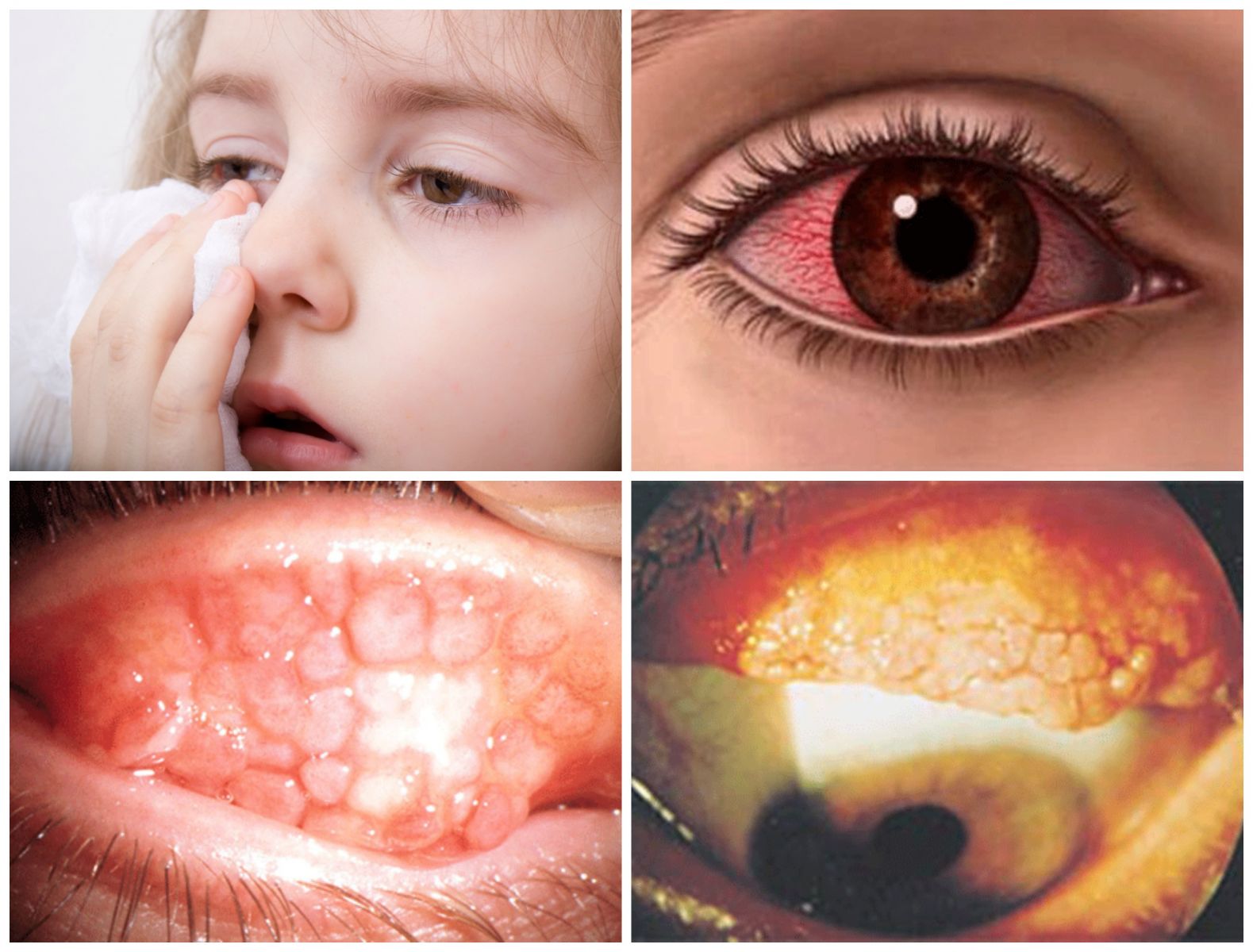
Allergy in children to antibiotics is usually limited to local symptoms, whereas adults are joined by common symptoms affecting the entire body. Major and local( skin) symptoms and manifestations of allergy to antibiotics:
• Photosensitivity. On exposed to sunlight exposed areas of the body there is itchy reddening of the skin, can be observed filled with transparent contents of bullae or vesicles
• Skin rash. Elements of the rash are usually of different shapes and sizes, can be located on the border areas( face, back, abdomen, hands), and spread throughout the body
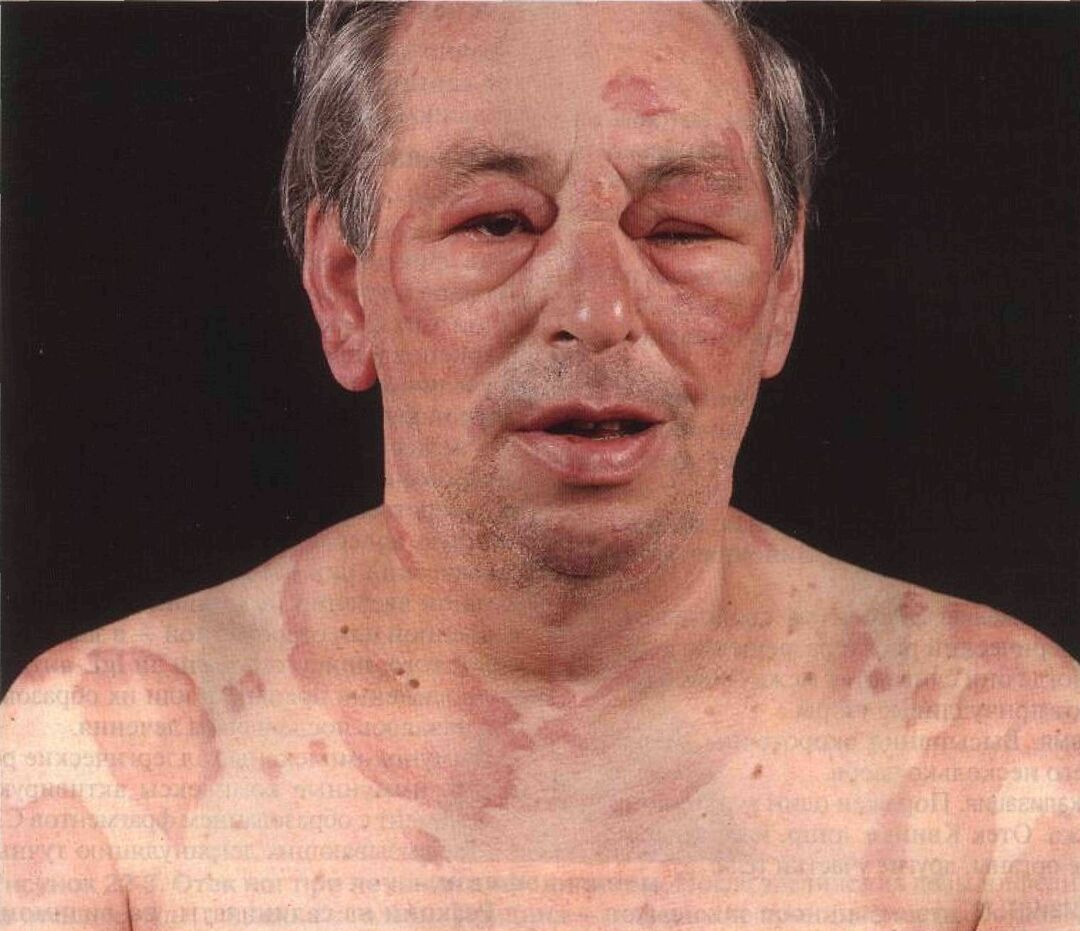
• Urticaria. This disease is characterized by the appearance on the skin of the skin of reddish spots, sometimes merging into one large. These cutaneous manifestations have a higher temperature than the surrounding skin and are intolerably itching
• Quincke's edema. A very serious condition in which one or another area of the patient's body swells( the most dangerous is the laryngeal edema, which often leads to asphyxia and fatal death), reddening, itching, sensation of bursting
• Stevens-Johnson syndrome. This pathology is characterized by high fever, inflammatory changes in the mucous membranes and skin rashes
• Lyell's syndrome. This disease is extremely rare and characterized by the formation on the skin of fluid-filled large blisters. After these blisters burst, huge dying wound surfaces are exposed under the skin that has been removed to facilitate the infectious complications of
• Drug fever. This condition is an allergic reaction of the body to taking antibacterial drugs, which usually manifests itself exclusively as an increase in temperature and is observed both after drug withdrawal and during its administration. Drug fever usually passes two to three days after the withdrawal of the provoking drug
• Whey-like syndrome. This condition is characterized by skin rashes, enlarged lymph nodes, high fever and joint pain
• Anaphylactic shock. This condition occurs almost immediately( up to 30 minutes) after taking the provoking drug and is manifested by a very sharp decrease in blood pressure, difficulty breathing( due to laryngeal edema), flushing and itching of the skin, heart failure and skin rash
In some cases, there is a so-called "pseudo-allergy to antibiotics", which develops not because of the allergen itself, but because of its excessive intake into the body. This phenomenon is often observed in the case if the patient, having failed to fulfill the prescription of the doctor, independently increased the dose of the medicine. In this case, only with the help of an allergic reaction to the drug, the body can make it clear to the patient that the volume of the drug taken is significantly overestimated. Pseudoallergy main symptoms: headache, increased blood pressure, dizziness, and dyspepsia
allergy to antibiotics -
allergy after treatment antibiotics always requires accurate diagnostic confirmation, which apply classic methods of diagnosing allergy: blood test for detection of IgE and cutaneous allergy tests.
Treatment of this type of allergy is the abolition of the drug taken and its replacement with a drug of another group. To facilitate the subsequent removal and skin symptoms shown receiving antihistamines( Citrine, Laura, loratadine, etc.) In the form of ointments and tablets. For removing
provoking antibiotic excreted successfully used chelators such as activated carbon, enterosorbent, POLYSORB, etc. In the case of more pronounced in the patient changes, hormonal drugs administered to a patient( Prednisolone and / or its derivatives)..