Pollen allergy: types, signs, symptoms, photos and treatment
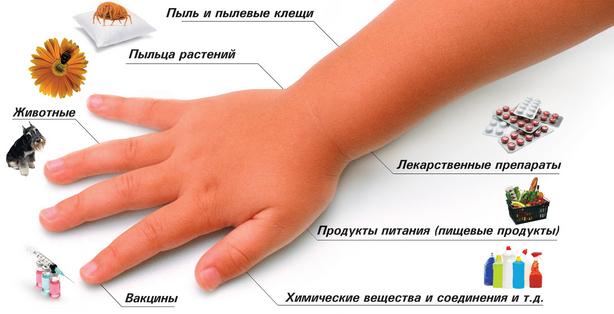
Allergy is a special immunopathological process, which is characterized by hypersensitivity of the immune system to various irritants (allergens). An allergy in a person can appear on anything.
To dust, animal hair, pollen, food, household chemicals, cosmetics and other irritants that can cause a specific reaction of the human body.
Pollen allergy is the most common type of disease and is called in medical terminology hay fever.
Seasonality is considered a distinctive feature from all other types of allergic diseases. This means that all the symptoms of hay fever appear during the flowering of plants.
Content
- Types of pollen allergies
- Causes of occurrence
- Provoking factors for the development of pollen allergy
- Pollen allergy symptoms
- Types and stages of pollen allergy
- Pollen allergy diagnostics
- Pollinosis treatment
- Drug treatment
- Complementary and alternative home treatments
- Pollen Allergy Nutrition
- Folk remedies
- Prophylaxis
- Forecast
- Related Videos
Types of pollen allergies
Allergy to pollen can be on any type of trees and plants. The types of pollen allergies are:
- Dandelion pollen allergy. The reaction to dandelion is caused by its pollen, which settles in the respiratory tract. She is the most powerful irritant for the human body. Dandelion allergy occurs quickly, almost a couple of hours after interacting with the allergen. The respiratory system is initially affected;
- Allergy to tree pollen. This allergy occurs when trees are in bloom. An allergy sufferer begins nasal congestion, coughing and tearing. Due to poor nasal breathing, sleep is disturbed, a person gets tired quickly and this affects his life. Often allergies are caused by birch pollen;
- Weed pollen allergy. It begins in late summer and can last until winter. Pollen allergy ragweed and wormwood are known to many. A person begins to have a runny nose, lacrimation, etc.;
- Pollen allergy. It occurs in spring and summer when flowering begins. Very often, this allergy occurs in children. In addition to street flowers, indoor plants can also be the culprit. Allergy is manifested by itching, rash, runny nose, cough. The most dangerous are: geranium, fern, hydrangea, azalea, oleander, Kalanchoe and others;
- Pine pollen allergy. This species is rare, since only nuts and pine pollen itself are considered irritants. Allergy symptoms include red and itchy eyes, puffiness, stuffy nose, runny nose, and cough. Pine pollen is deposited in the respiratory tract and mucous membranes, after which symptoms occur. Therefore, it is necessary to avoid places with a large concentration of conifers;
- Spruce pollen allergy. Symptoms are classic: runny nose, cough, tearing, sore throat. It is often found in children, especially in winter, when live spruce is bought for the New Year holidays. In this case, it is advisable to simply replace the spruce with an artificial one so as not to provoke the appearance of allergic reactions;
- Allergy to grass pollen. This allergy is not very common, but if it exists, it can be difficult to get rid of. Allergies are seasonal and a person experiences discomfort only at certain times of the year. On contact with an allergen, skin redness, a suffocating cough, lacrimation, severe joint pain, swelling of the mucous membranes and nasal congestion appear. Allergy happens to: Kamassia kvamash, sticky aquilegia, cornflowers, spinous gailardia, etc.
Causes of occurrence
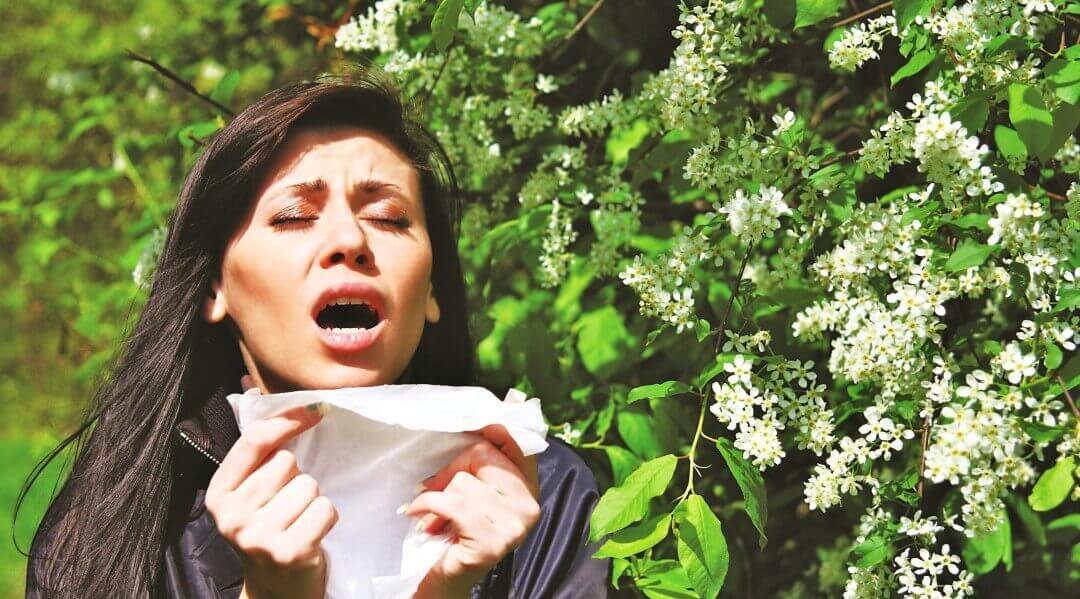
Allergy to pollen appears due to inhalation of the smallest fragments of pollen, which are subsequently regarded by the immune system as harmful elements.
Getting an allergic reaction is a common defense. In this way, the body signals the danger and the causes of pollen allergy.
On the mucous membrane of the larynx and eyes, there are special receptors that activate immune cells upon contact with an irritant. After that, histamine is released.
Histamine Is an active compound that has the property of expanding capillaries and increasing their permeability. The body will get mucus and other fragments from the blood that cause allergic reactions.
Emergence hay fever can provoke both one plant and pollen of several flowers, trees or shrubs. For example, an allergy to pine pollen can greatly aggravate the condition with prolonged stay in a pine forest or contact with an allergen.
Read also:Allergy in the eyes
If a person has, in addition to hay fever, food allergy, then it is necessary to carefully monitor the food consumed in order to prevent the development of cross-allergic reactions.
Provoking factors for the development of pollen allergy
Pollen allergy is a seasonal illness. Certain plants, trees and other factors provoke the disease. Pollen allergy causes include seasons:
- Spring. At this time of the year, the pollen of pine, maple and other trees is activated. Allergy to birch pollen is considered one of the most common;
- Summer. In summer, there is an allergy to pollen of cereal grasses (rye, corn, wheatgrass, wheat grass, etc.);
- Autumn. In the autumn air, the concentration of weed pollen is very high (wormwood, sorrel, ragweed, etc.). Doctors say weed allergies can cause serious complications. Allergy to ragweed pollen is especially dangerous.
Pollen allergy symptoms
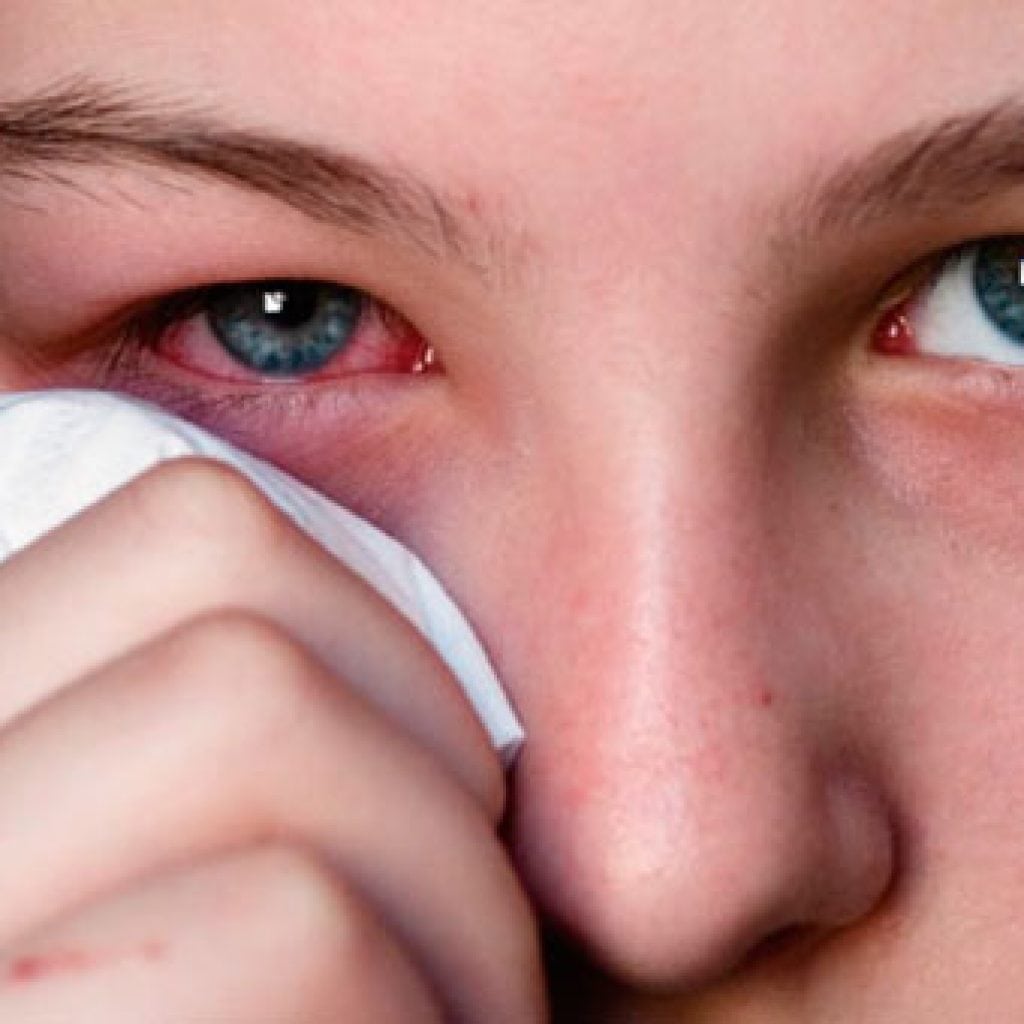
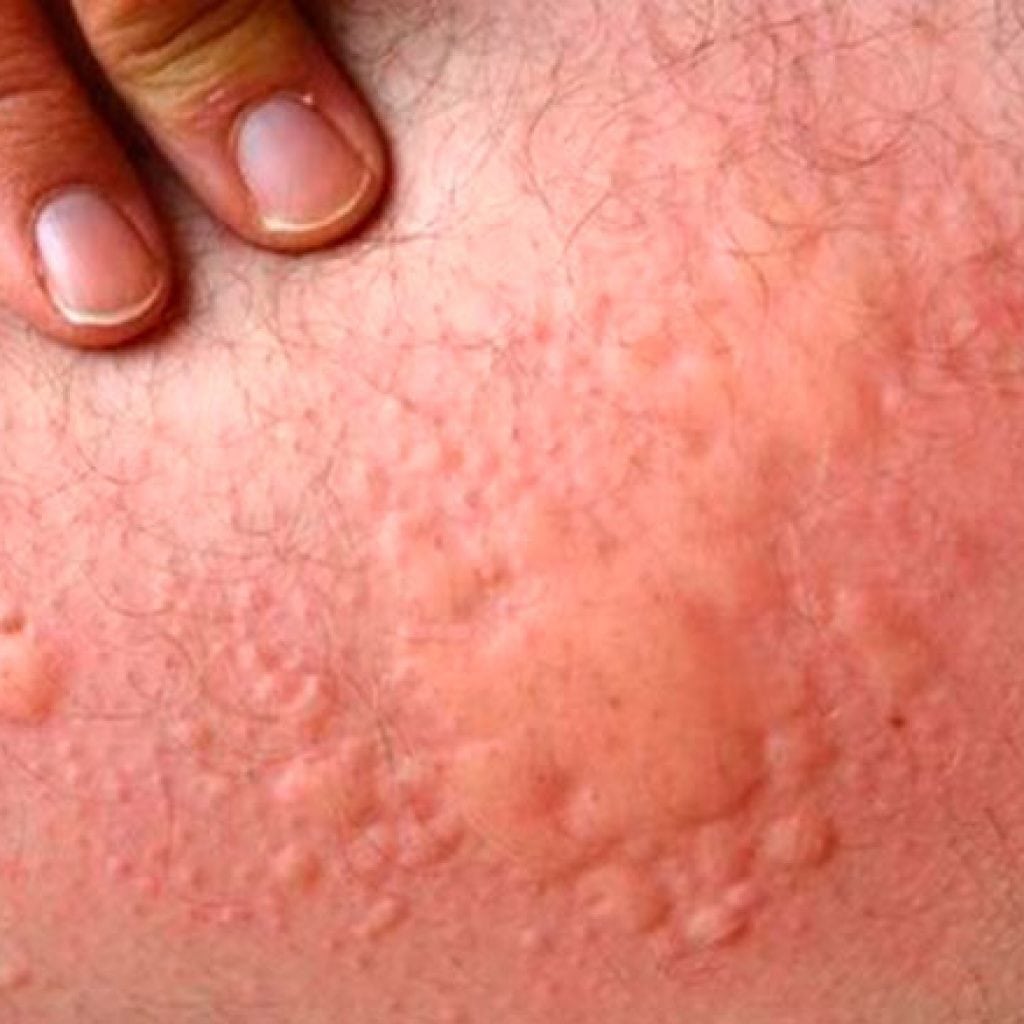
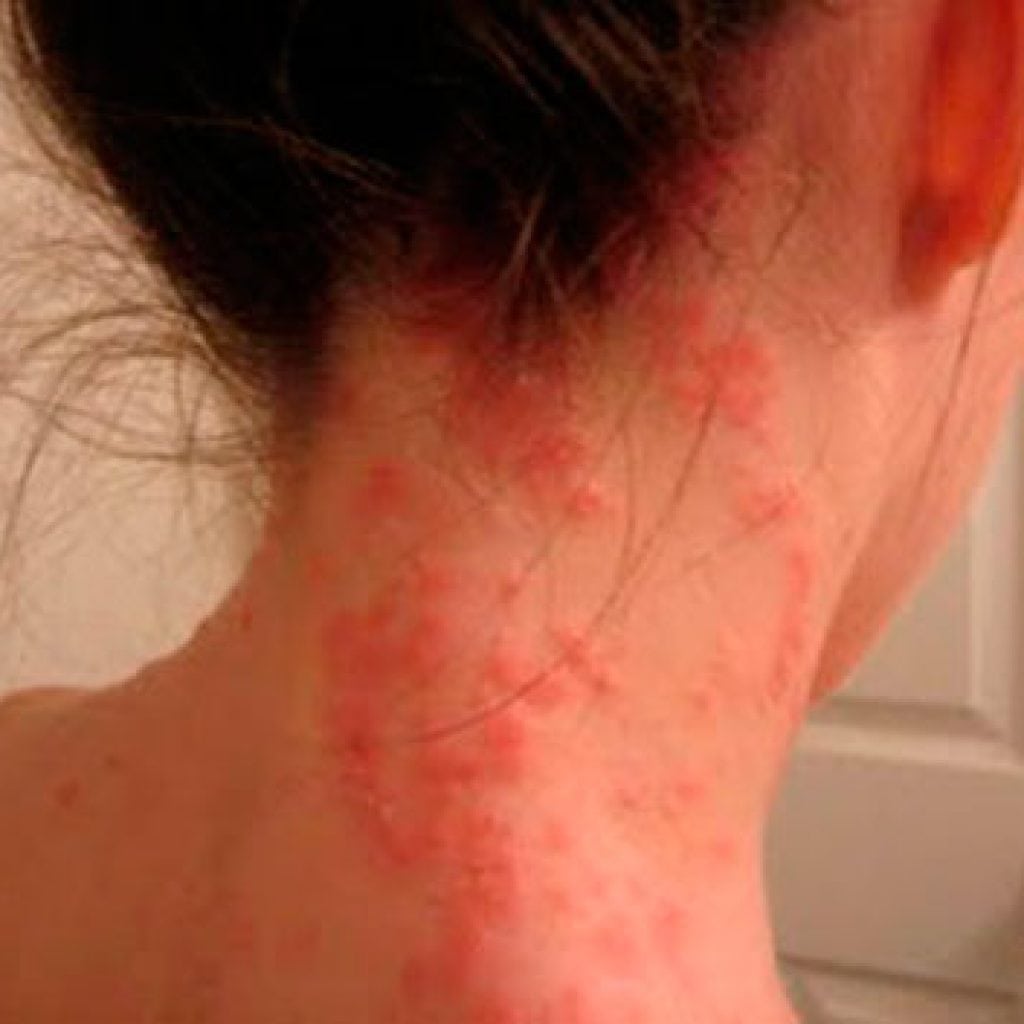
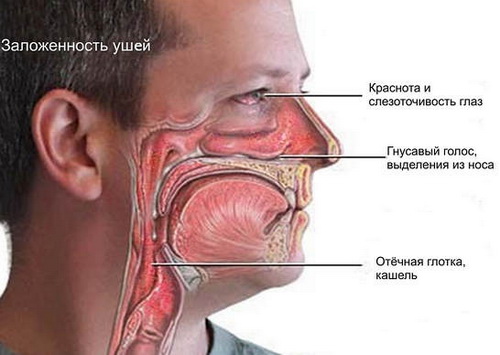
Usually, any type of allergy has almost the same symptoms, but pollinosis is characterized by rhinoconjunctival syndrome, which causes reactions of the upper respiratory tract, nasal mucosa and eyes.
Symptoms can be associated with other inflammatory processes. These include:
- nasal congestion, sneezing, discharge and burning. Such signs may indicate the development allergic rhinitis - inflammation of the nasal mucosa;
- redness and dryness of the eyes, constant lacrimation. Available allergic conjunctivitis - inflammation of the mucous membrane of the eyes;
- severe cough and perspiration warns of allergic pharyngitis - inflammation of the pharyngeal mucosa;
- due to shortness of breath and asthma attacks may develop bronchial asthma - violation of the passage of air through the respiratory tract;
- skin rashes atopic dermatitis, hives (cm. photo above);
- if a child has an allergy, then he becomes lethargic, irritable and often naughty.
Types and stages of pollen allergy
The nature of the mechanisms that take part in the development of hay fever are divided into stage III:
- I. Immunological. This stage affects any abnormalities in the immune system that arise from the first penetration of the stimulus into the body. There is also the formation of antibodies, lymphocytes and their contact with a secondarily ingested or already present allergen;
- II. Pathochemical. This stage is characterized by the formation of active mediators. Formation occurs when stimuli are combined with antibodies or sensitive lymphocytes at the end of the first stage;
- III.Pathophysiological. At this stage, the formed mediators are pathogenic in nature and have a negative effect on organs and cells of the whole organism.
In addition to the stages of hay fever, there are four types of tissue damage in the manifestation of allergic reactions. The types of hay fever are as follows:
- Reaginic. The type takes its name from the specific antibodies reagins. When an allergen enters the body, reagins are formed. Then they are fixed on basophils and mast cells, after which sensitization appears. Formed mediators can have a disease-causing effect, that is, allergy symptoms appear;
-
Cytotoxic. This type is characterized by the fact that the formed antibodies combine with cells and damage them. Damage has three options:
- the activated complement forms active elements that damage the cell membrane;
- antibody-dependent cellular cytotoxicity is activated;
- activation of cellular phagocytosis, which is covered with antibodies.
- Immune complexes. Damage is caused by immune complexes. When an antigen enters the body in a soluble form, antibodies are formed. Antigen-antibody causes hay fever;
- Delayed allergic reaction. This means that reactions develop in people who are too sensitive to stimuli 24 hours after the first contact.
Pollen allergy diagnostics
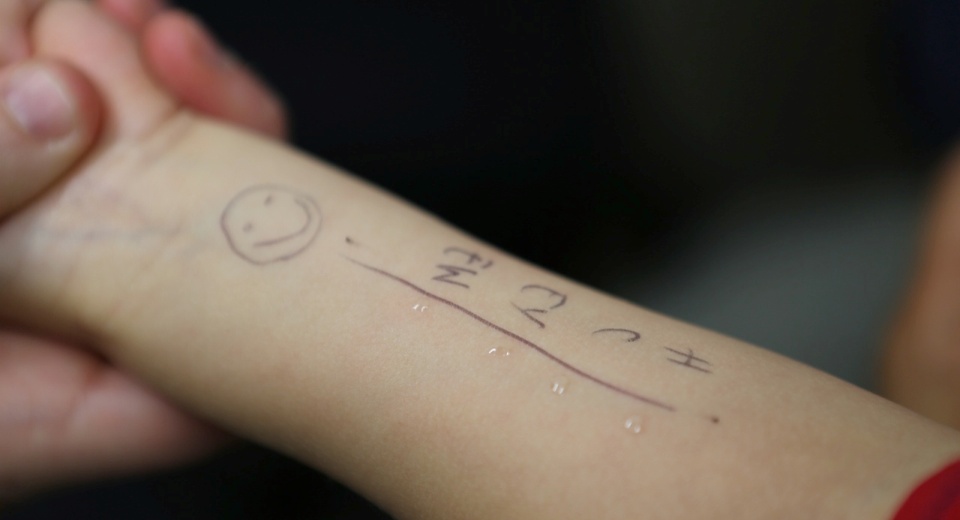
The diagnosis of hay fever is based on studying the causes of pollen allergy and conducting an examination.
As a survey, skin allergy tests.
In the process of conducting a small amount of pollen fragments in the form of a solution is applied to the back or forearm.
If redness, itching, or swelling appears in the test area, these are signs that there is a possibility of allergy. Based on the results obtained, further treatment tactics can be developed.
Allergic tests are:
- Scarification. Small scratches are made on the skin, after which the alleged allergen is applied;
- Prik test. With the help of a special needle, light punctures are made and an allergen is applied;
- Application. A tampon moistened with an allergen is applied to the damaged areas of the skin.
Read also:Dust allergy: symptoms, reasons, what to do, treatment, prevention
In addition to skin allergy tests it is necessary to pass a laboratory blood test to identify specific immunoglobulins of class E (special proteins).
If a high concentration of immunoglobulins is detected during an immunological study, this means that allergic reactions are active.
Pollinosis treatment

The main task of the treatment of hay fever is to completely eliminate or minimize interaction with the source of the irritant.
Therapy should be carried out in combination with prevention.
The manifestation of symptoms in a child requires mandatory therapeutic measures aimed at reducing mucus secretion, restoring breathing and relieving swelling of the mucous membranes.
To remove allergens that have entered the body, you can use Enterosgel or Activated carbon.
It is possible that an allergist prescribes specific hyposensitization (a state of decreased sensitivity of the body to an allergen) - a method of treatment during remission.
The human body is gradually accustomed to the minimum doses of irritants. Treatment should be carried out in a course lasting up to several months. The entire course must be strictly monitored by an allergist.
Drug treatment
Until now, there is no universal cure for hay fever. Are applied allergy medications for pollen depending on manifestations. These include:
- Antihistamines that help with hay fever are divided into 2 generations:
- Suprastin, Peritol, Ketotifen, Pipolfen, Tavegil. For example, suprastin is effective in treating pine pollen allergy. The drugs have one common drawback - a pronounced inhibitory effect on the work of the central nervous system. Because of this, a person may feel drowsy, mildly lethargic, and a slow reaction rate. Nausea, vomiting, dry mouth, or impaired intestinal motility are also possible. When taking medications, you must take into account all the side effects. If an allergic person has BPH, liver disease, glaucoma or epilepsy, antihistamines are prohibited;
- The second generation includes: Zyrtec, Terfenadine, Claritin, Ebastin, Astemizole. These drugs also have side effects, but there are fewer of them. Sleep disturbance, moderately low reaction, bad mood (dysphoria) and heart rhythm disturbances are possible. Cramps, muscle aches and high activity of liver enzymes occur much less frequently.
- Vasoconstrictor medicines. Used when allergic rhinitis, usually these are nasal drops: Rinazolin, Nazol, Xylometazoline and etc. Drops reduce mucus production and reduce swelling of the mucous membrane, therefore, for a while, breathing through the nose is facilitated. It is forbidden to use drops for more than 5 days, so as not to cause vasomotor rhinitis;
- Glucocorticosteroid medicines. Usually used in the form of tablets for pollen allergies, injection solutions, drops for the eyes and nose, special ointments or inhalation preparations (if a person has bronchial asthma). The drugs do not cause strong side effects, therefore they cope well with allergic inflammations and reduce the release of histamine, due to the stability of the mast cell membranes;
- Sodium cromoglycate has minimal side effects and is used as drops or sprays. Sodium cromoglycate combines with immunoglobulin on the mast cell membrane and inhibits the production of histamine. Thanks to this, the development of allergic inflammation stops. Cromoglycate is the best allergy medicine for most types of hay fever.
Complementary and alternative home treatments
Traditional medicine experts can provide advice. In addition to taking medications that neutralize allergy symptoms, there are many alternative recipes and methods. At home, it is very easy to deal with the treatment and prevention of hay fever.
It is worth remembering that not all recipes using various herbs are suitable for allergy sufferers. An improperly selected collection of medicinal herbs can only aggravate the condition. You also need to follow a diet and not eat certain foods.
Pollen Allergy Nutrition
People who suffer from hay fever need to tidy up their own food and adhere to a diet. Before choosing products, you need to know what exactly is the cause of allergic reactions.
Diet for allergies should be selected by a doctor.
- For tree pollen allergies you need to remove all nuts from the diet and Birch juice. There is also a restriction on vegetables and fruits: peaches, apples, tomatoes, carrots, parsley and various seasonings for dishes.
- If you are allergic to cereal pollen, you need to give up bread, rolls, any pasta, cereals, citrus fruits, strawberries, strawberries. Phytopreparations containing cereals are not recommended.
- If you are allergic to weed pollen it is required to give up sunflower seeds, spices, oil, citrus fruits, watermelon, dill. The collection of medicinal plants, consisting of dandelion and chamomile, is prohibited.
Read also:Allergy to alcohol: causes, symptoms and treatment
Cross-allergy is a fairly common allergic reaction that affects people with hay fever. Cross-allergy to certain foods occurs.
If there is a cross-allergy to cow's milk, chicken eggs, tomatoes, blueberries and mustard, then you should refuse these products.
During the flowering of trees, foods with a minimum amount of allergens should be present in the diet of an allergic person. Must be:
- cottage cheese, natural yoghurts;
- stew and boiled lean meats (turkey, chicken);
- dried fruits;
- baked fruits.
It is necessary to minimize, and it is better to exclude tea, coffee, strongly carbonated drinks. If a child has hay fever, it is necessary to limit sweets. Be sure to drink plenty of fluids. The diet should contain environmentally friendly products that are not subjected to any processing.
Folk remedies
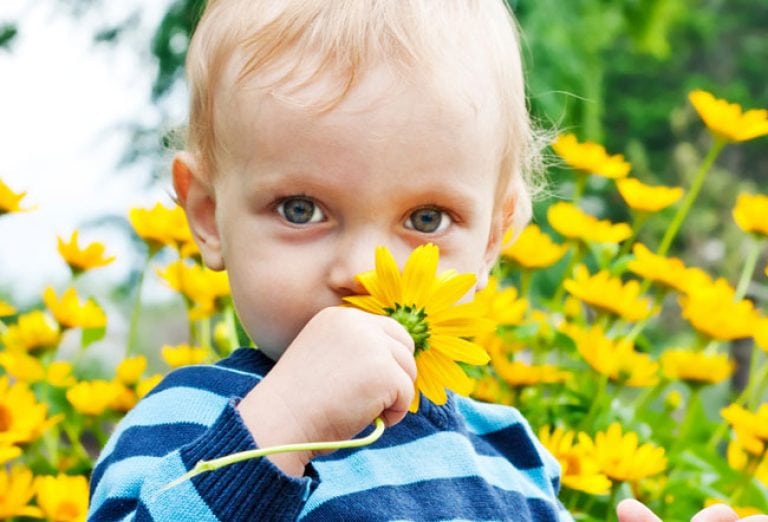
One of the most famous and popular remedies for pollen allergies is bee pollen.
Traditional medicine has been slow to acknowledge the positive effects of bee pollen on the health of an allergy sufferer.
It is believed that the pollen of this flying insect significantly reduces a person's sensitivity to an allergen and has almost the same effect as after injections with medications. When the body is exposed to irritants or antigens, bee pollen helps in the production of antibodies, thereby reducing the allergic reaction.
The effect of bee pollen has not been studied, so none of the scientists can give a definitive answer to the question about the benefits. One thing is known that after using insect pollen, allergy symptoms no longer appear.
It must be remembered that bee pollen may not be suitable for every allergy sufferer, so its use should be careful. It is necessary to treat allergies with pollen in small doses and gradually increase them. If there is the slightest redness of the skin, shortness of breath, headache, you should immediately stop taking it.
Traditional medicine includes the following recipes:
- Celery. It is necessary to squeeze the juice from several bunches of celery, add 2 tablespoons of honey, stir and refrigerate. Drink liquid 3 times a day, 2 tablespoons 30 minutes before meals;
- Apple vinegar. It is recommended to take 2 teaspoons of apple cider vinegar 6% and 1 teaspoon of honey, mix and pour a glass of boiled water. Drink 30 minutes before meals 3 times a day;
- Caraway. 1⁄2 tablespoon of caraway seeds and 1⁄2 spoon of roots, pour a glass of boiling water, boil for 10 minutes and leave to infuse for half an hour. Take 1/3 three times a day;
- Nettle. Pour 1 tablespoon of chopped nettle with a glass of hot water. Boil for 10 minutes and take a tablespoon 5 times a day.
Prophylaxis
People suffering from seasonal hay fever should adhere to certain prophylaxis for pollen. It is necessary to carry out such preventive measures:
- do wet cleaning daily;
- ventilate the room in rainy and calm weather;
- humidify the air with an air conditioner;
- avoid places where plants and trees accumulate (fields, parks, squares, etc.);
- change into clean clothes upon coming home;
- take water procedures several times a day;
- use sunglasses;
- timely contact a specialist in case of exacerbations of allergies;
- take the prescribed medications according to the course and observe the dosage;
- exclude indoor plants;
- eat right and follow a diet.
These simple guidelines can help neutralize the uncomfortable symptoms and causes of pollen allergy.
Forecast
Unfortunately, it is impossible to completely cure hay fever. You can only follow and adhere to the recommendations for the prevention of pollen allergy in order to prevent serious complications. What to do in case of an allergy, the doctor will tell you.