
Allergy to the eyes: symptoms and treatment (compresses, drugs)
For those of us with allergies, eye allergies can be particularly frustrating. Not only can an eye allergy be maddening, it can also weaken some people.
For some people, eye allergies can pose a real threat to their vision.
Allergies tend to often affect the eyes, as the eye, like the nose, contains mucous membranes that can be adversely affected by the environment and cause potential allergic reactions.
Content
- Causes and symptoms of eye allergies by type
- Which doctor should i contact for eye allergies?
- Eye allergy treatment
- Cold compresses
- Cold eye drops
- Ketotifen drops (Zaditen)
- Olopatadin
- Epinastine drops
- Dexamethasone
- Overseas OTC Antihistamine Drops
- Long-term control of eye allergies
- Prevention and recommendations
Causes and symptoms of eye allergies by type
When a person thinks of eye allergies, they tend to assume itchy, irritated eyes. However, depending on the type of allergy, other symptoms may also be present. In medical terms, most eye allergies are called "Allergic conjunctivitis».
The conjunctiva is a transparent membrane that covers the eye and lines the inner eyelids.
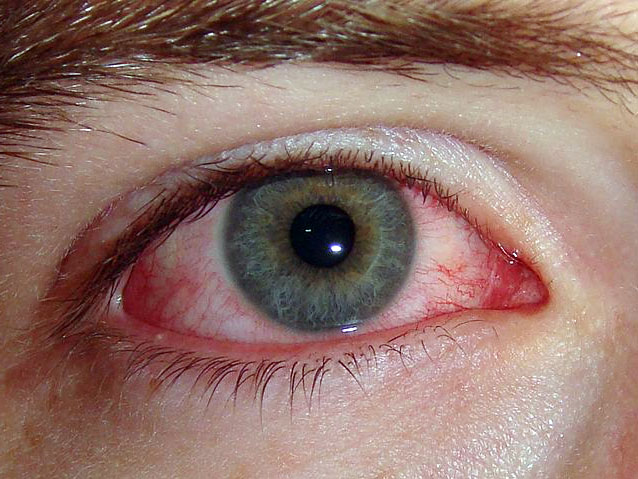
There are four main types of allergic conjunctivitis, and each has different symptoms.
- Perennial and seasonal allergic conjunctivitis. Perennial and seasonal allergies are the most common type of eye allergy. Seasonal allergies (hay fever) occurs at certain times of the year when there is a lot of pollen or mold in the air. People who suffer from these types of allergies are easy to spot as they rub their puffy eyes vigorously. Perennial allergic conjunctivitis last all year round. Doctors determine this particular type of disease by dark circles under the eyescalled allergic glitter. What affects the eyes often affects the nose, which is why people who suffer from these types of allergies also have a runny nose, nasal congestion, and may sneeze. These types of allergies are usually caused by mold, dust mites, pet dander, or other allergens found in the home.
- Spring keratoconjunctivitis (VKK) - Spring keratoconjunctivitis can also last all year round. This type of allergy can affect the cornea, the transparent domed structure at the front of the eye, and the mucous membranes of the conjunctiva. VKK mainly occurs in boys and young men, usually aged from 7 to 21 years old. It is more common in warmer areas of the country and can become much more dangerous. People who suffer from vernal keratoconjunctivitis also tend to have asthma and skin conditions such as eczema. Symptoms may include severe itching redness of the eyes, watery eyes, vomiting, white discharge, ptosis (a condition in which the upper eyelid can droop), lumps under the eyelid called papillae, and sensitivity to light. VKK can also cause a unique reaction called the Horner-Trantas point, which is a small bulge of inflammatory cells around the limbus, tissue located on edge of the cornea. As mentioned earlier, VCC can also affect the cornea. A very dangerous problem for people with VKK is the development of corneal ulcers. The body develops ulcers in response to the lumps under the eyelid and an overreacting immune system. VKK can put a person at risk of vision loss if left untreated.
- Atopic keratoconjunctivitis (ACC) Is a severe form of eye allergy that can affect the cornea of the eye as well as the inner lining of the lower eyelids. Atopic keratoconjunctivitis usually affects young people starting at 16 to 20 years old, and can persist for decades. Most people with ACC also have atopic dermatitis, allergic rhinitis (hay fever) and / or asthmaSevere ACC can lead to complications including cataract, eye infections and blindness. ACC symptoms may include severe itching, sensitivity to light, thicker, viscous discharge, skin reactions around the eyes, and large papillae (bumps under the eyelids). Atopic keratoconjunctivitis can also affect the cornea. In people with ACC, new blood vessels and small clumps of white blood cells may develop in the cornea. There is also a link between ACC and a condition called keratoconus. Keratoconus Is a condition in which the cornea becomes extremely deep, which will ultimately cause distorted vision. The cornea also becomes very thin, causing significant changes in vision, scarring and corneal deformation. Although keratoconus is considered a hereditary eye disorder, some consider keratoconus to be is actually the result of intense “eye rubbing” associated with severe allergies to eyes.
- Giant papillary conjunctivitis (HPC) - Giant papillary conjunctivitis is mainly associated with contact lens wear. It is believed to be an allergy related to proteins that are often present in our tears. They are usually not a problem. However, when people wear contact lenses frequently, these proteins can bind to the surface of the contact lenses. With chronic exposure to this protein, symptoms very similar to allergies begin to appear. Very large papillae begin to form on the underside of the upper eyelid. These papillae work like suckers and begin to grab or stick to the contact lens, causing the lens to move more often than usual. One of the methods that optometrists use to reduce changes in HPC is changing the usual contact lenses onto daily disposable contact lenses that can be worn for one day and then throwing away. CHP symptoms include itching, discharge mucus, blurred vision, irritation and sensation of a foreign body in the eye.
Read also:Photodermatitis or sun allergy: photo manifestations and effective treatments
Which doctor should i contact for eye allergies?
Primary care physicians (therapists) and allergists are well versed in the diagnosis and treatment of allergies. However, when allergic eye symptoms begin to worsen, it is usually advisable to involve an optometrist or ophthalmologist.
Eye doctors have a better understanding of eye diseases and are better equipped to deal with allergic conjunctivitis. In addition, they have special equipment and instruments for examination, which allow them have an eye exam to rule out serious complications that can sometimes affect the eye and be threatening vision.
Eye allergy treatment
If your eyes are sensitive to common allergens, the following treatments for eye allergies should help you relieve the symptoms.
Although oral antihistamines can often be used to treat itchy eyes, these products can dry the eyes and cause eye irritation.
Below is the 7 ways to treat eye allergieswithout resorting to oral medications. As always, if your symptoms include pain in eyes, severe redness or heavy discharge, you should see your doctor. Some eye conditions can be quite serious threats to vision if left untreated.
Cold compresses

Red, irritated eyes are extremely unhappy. Eye allergy symptoms are usually relieved with a cold compress. A cold compress soothes and relieves irritation from the eyes, removes redness.
To make a cold compress, fill a small bowl with ice and water. Dip a clean towel into a bowl, then squeeze out excess water. (Small bags of frozen foods such as peas or corn are also good for this because they cover the eye area tightly and keep the temperature cool.) Throw your head back and apply a cold compress to the top of your closed eyes for 5-10 minutes. Repeat the procedure 2-3 times during the day or when symptoms worsen.
Read also:Allergen test (allergy tests): what is it, how is it done, methods, indications
Cold eye drops
Eye allergies can make your eyes feel very dry and irritated. Instillation drops do not blur vision and may soothe the eyes. Put on eye drops recommended by your doctor (we recommend such as Systane ultra or Optive) into the refrigerator. You will be surprised how much better your eyes will feel when you drop cold drops into them. Keep the drops in refrigerators and repeat the procedure several times a day.
Ketotifen drops (Zaditen)
Ketotifen eye drops, available under the name Zaditen, work well for allergies and are available over the counter. Zaditen has a triple pharmacological effect: it has an antihistamine effect, prevents release of inflammatory mediators that worsen allergic symptoms and prevent the release eosinophils. (Eosinophils are immune cells that are activated in the late phase of allergies, causing more symptoms.)
Olopatadin
Olopatadine is one of the most popular prescription drugs prescribed by eye doctors. Olopatadine is a combination of an antihistamine and a fat stabilizer. It is a popular drug because one drop in the morning lasts 24 hours. It is well tolerated by children because it does not irritate the eyes and is safe enough for everyday use. It is approved for use by children from three years of age and older.
Epinastine drops
Epinastine is a fast acting prescription eye drop. Epinastine relieves itching and soothes the eyes. The drops are very similar to Olopatadine, but you need to instill it twice a day. However, it works quickly, the effect is felt in just three minutes. It is also approved for children under the age of three.
Dexamethasone is a mild, safe steroid sometimes used for acute allergies. Doctors often prescribe Dexamethasone when something stronger is needed. Dexamethasone provides relief against itching, redness, burning, and light sensitivity.
Read also:Anaphylactic shock (anaphylaxis): causes, symptoms, emergency care
Many doctors prescribe it four times a day for a week or two and then taper it down to one or two times a day for a week or two. Dexamethasone works effectively, but if allergies affect your eyes every day, then probably the best alternative is Zaditen or Epinastine.
Overseas OTC Antihistamine Drops
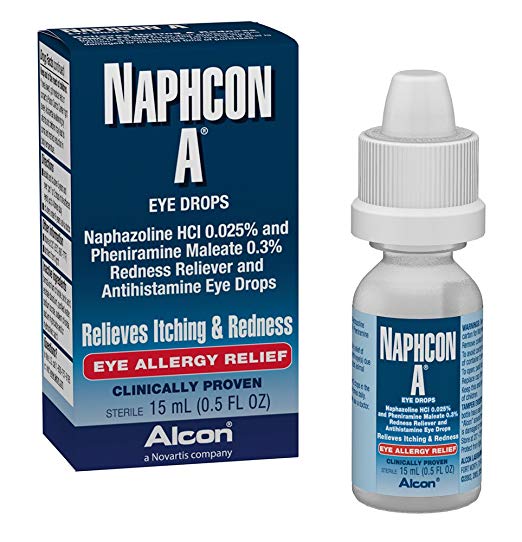
Try ordering an over-the-counter vasoconstrictor / antihistamine combination eye drops such as Opcon-A or Naphcon-A (they are not yet available on the Russian market). These drops contain both an antihistamine to control itching and a vasoconstrictor to shrink swollen blood vessels to reduce redness and swelling.
These eye drops work great and only became available a few years ago. You need to drip 4 times a day for a week. Long-term use is not recommended as it can lead to redness in the eyes and bloody spots.
Read also — Drops from conjunctivitis in adults: the best, inexpensive drugs
Long-term control of eye allergies
Depending on the severity of your symptoms and the presence of other allergic symptoms such as allergic rhinitis or asthma, many people choose to pass allergy test and give injections for allergies. Allergy shots Is the only sure way to "cure" allergies, and is believed to sometimes reduce the risk of developing other types of allergies.
Prevention and recommendations
The most common way to prevent eye allergies is to avoid substances or antigens that are causing the symptoms. Antigens are particles that activate a person's allergic response to pollen, pet dander, dust, and flowers / plants.
It is important to avoid airborne allergens as well as contact allergens.
Contact (indoor) allergens such as dust mites and pet hair can also cause eye allergies throughout the year. If you suffer from this type of allergy, you may notice more symptoms while cleaning the house or playing with your pet.
Internal allergens lurk in places where we don't really expect them. Anything as simple as washing your pillowcase frequently can help a lot. Also remember to change the air conditioner filter from time to time. Taking a shower before bed can also help as antigens can accumulate in hair and clothing during the day.


