Cerebral ischemia: description and methods of treatment of acute and chronic forms of pathology

Content:
- Symptoms of the disease
- Chronic ischemia
- Treatment in the elderly
- In newborn babies
Blood plays an important role in the body, supplying oxygen and nutrients to every cell. Various disorders can occur in the blood supply system, in which blood does not sufficiently enter the organs and feed them. If it occurs in the aorta leading to the neck and head, then it is said to be cerebral ischemia. Ischemia literally means blood retention.
The cells of the brain more than others need the smooth functioning of the circulatory system. For their life and full functioning, more than a fifth of oxygen and approximately seventy percent of glucose entering the body are consumed.
An insufficient supply of blood to the brain causes disruption of the work of various parts of this important organ, and even massive cell death.
Cerebral ischemia belongs to cerebrovascular diseases and is included in ICD 10, where all variants of vascular pathologies are assigned their own codes.
To understand what dysfunctions are caused by inadequate nutrition of brain cells, it is necessary to determine what the brain is responsible for.
One of the most important functions of the brain is thinking. That is why in chronic oxygen starvation, the mental function of the organ is disrupted, causing a decrease in intelligence.
Disorders of such functions as processing information from the sense organs and coordination of body movements occur as a result of starvation of the corresponding parts of the brain. Numbness of the extremities, temporary blindness and other symptoms in which sensory information is processed incorrectly characterize cerebral ischemia.
Insufficient blood supply to the organ affects brain functions such as control of attention, generation speech, creating mood, emotional background and memory, causing corresponding disturbances and symptoms.
Cerebral ischemia, depending on the manifestation of the disease, differs in forms: acute and chronic. The latter form, in turn, is divided into three stages of development.
The acute form occurs as a result of an abrupt cessation of oxygen supply to the brain. It proceeds as ischemic stroke.
The chronic form develops gradually as a result of decreased blood flow to the brain.
Its development takes place in stages:
- The initial one is characterized by symptoms such as general weakness, dizziness, and insomnia.
- The compensated one is characterized by a violation of social adaptation, a decrease in professional skills.
- Decompensated is the loss of legal capacity and the inability to serve oneself.
Most often, cerebral ischemia, especially the chronic form of the disease, occurs as a result of the development of cerebral atherosclerosis. The pathology is caused by a narrowing of the lumen in the blood vessels, as a result of which the blood flow is reduced. An analogy of this process is a blockage in water pipes, when limescale accumulates on their walls, water begins to flow in a thin stream. In the veins, the role of plaque is played by fatty deposits, otherwise - cholesterol.
Factors provoking the development of atherosclerosis and cerebral ischemia:
- diabetes;
- age-related changes;
- frequent consumption of foods containing cholesterol: meat, fish, animal fats;
- violation of lipid and carbohydrate metabolism;
- sedentary lifestyle;
- increased blood clotting;
- smoking;
- frequent stress.
Cerebral ischemia is caused by atherosclerosis of the vessels that supply the brain. Hence the name cerebral, which in Latin means the brain. Deposits in the vessels appear in the form of atheromatous plaques. These formations, growing, deform the walls of the vessels and lead to a strong narrowing of the lumen, up to blockage. Stopping the blood supply to the organ causes an acute form of the disease, in which an ischemic stroke of the brain is possible.
In addition to cerebral atherosclerosis, a blockage of blood vessels in the brain can occur due to a blood clot. It is formed directly in the brain or is "traveling", which is scientifically called an embolus. A blood clot or cholesterol plaque moving through the vessels reaches a narrow lumen in the artery and gets stuck there, blocking the blood flow.
Other reasons for the development of cerebral ischemia:
- carbon monoxide poisoning;
- ischemia of the kidneys;
- pathology of veins and blood vessels;
- blood diseases;
- heart diseases, which result in impaired hemodynamics, such as tachycardia, bradycardia;
- hypertension;
- decompression sickness.
What is the danger of cerebral ischemia
 The danger of cerebral ischemia lies in organ hypoxia, leading to cell death. Pathology can cause serious restrictions on human life and even lead to death. Against the background of oxygen starvation, cerebral infarction, decreased mental activity, epilepsy, blindness and other serious dysfunctions develop.
As a result of pathology, organic damage to the brain (encephalopathy) occurs. Due to the destruction of neurons, paralysis of that part of the body that is opposite to the lesion may occur.
Paresthesia is also characterized by specularity. For example, a patient with an affected left hemisphere has a clear consciousness, but his speech is impaired, or he cannot speak at all.
For newborns, cerebral ischemia is dangerous due to mental retardation. The child will find it difficult to communicate and learn.
Unlike the acute form, in which certain ailments appear immediately, the chronic form of the disease leads to the slow development of pathological conditions. Untimely diagnosis of pathology is dangerous because the disease is more difficult to treat.
Ischemic brain disease: symptoms of an acute form of the disease
 Ischemia of cerebral vessels is manifested by various symptoms, from mild dizziness to loss of consciousness. The symptomatology of the disease is determined by the form and degree of development of the disease. We will dwell on how cerebral ischemia manifests itself in an acute form.
The acute form of ischemia develops instantly, as a result of an acute disturbance of the blood supply to the organ. It includes transient ischemic attack (TIA) and ischemic stroke. The cause of acute cerebral ischemia is a neglected form of the disease or blockage of the vessel by an embolus. A thrombus is dangerous because, in addition to the development of the underlying pathology, it can cause inflammatory processes.
Transient cerebral ischemia occurs as a result of microscopic (small focal) damage to cells in one or another part of the brain, therefore it is sometimes called a microstroke. With TIA, the blood supply to the organ is interrupted only for
Symptoms of an ischemic attack:
- numbness, whitening of the limbs;
- throbbing in the head;
- redness of the face;
- speech disorder;
- visual impairment;
- weakness in the arms and legs;
- lack of coordination;
- loss of consciousness;
- pain in the projection of the heart;
- paralysis of an area or half of the body.
Symptoms usually vary. Some of them appear, while others do not. It depends on which part of the brain was damaged. TIA, the symptoms of which, although manifested clearly, are reversible. The attack itself usually lasts a few minutes and after blood flow is restored, the neurons resume their activity, and the symptoms stop. All functions after the manifestation of acute cerebral ischemia are restored on their own within a week.
If, after 24 hours, the symptoms of cerebral ischemic disease have not disappeared, but, on the contrary, are increasing, then this indicates that the brain damage is more significant. In this case, the doctor diagnoses an ischemic stroke.
Ischemic stroke is characterized by a long-term acute disturbance of the blood supply to a region of the brain. This leads to necrosis of the brain tissue and irreversible consequences. Lack of oxygen for more than six minutes leads to the death of neurons that do not recover. As a result of this process, a neurological deficit occurs, which is accompanied by various dysfunctions.
It is important to remember that the acute form of the disease needs diagnosis and medical supervision. Ischemic brain disease, the symptoms of which are expressed in loss of consciousness, sensitivity in any part of the body, speech impairment and vision, paralysis of the face or body, breathing problems, and a sharp rise in blood pressure can cause ischemic stroke. If one of them manifests itself, emergency medical attention is needed. Any delay can cost a person his life.
Chronic cerebral ischemia: stages of development and diagnostic methods
In contrast to the structure of the form, chronic cerebral ischemia develops slowly. There are three rates of disease progression: less than two years, up to five years, and 6 years or more. These time intervals correspond to the stages of the disease. For successful treatment, it is important to diagnose the disease in time. At the first, compensated stage, it is reversible. In the second and third stages, changes are difficult to treat, and in some cases, therapy is powerless. Therefore, it is important to understand what chronic cerebral ischemia is and how it manifests itself.
Stages of the chronic form of cerebral ischemia and features of the manifestation of the disease:
- Compensated. Symptoms are intermittent and mild. A person's mood changes quickly, depression develops, he is worried about insomnia, dizziness, he quickly gets tired, feels general weakness. At this stage, migraines, tinnitus, reflexes of oral automatism appear, gait changes (shuffling). Cognitive impairment results in decreased curiosity, attention, memory, and mental retardation.
- Subcompensated. At this stage of chronic cerebral ischemia, symptoms continue to progress. In addition to them, more severe dysfunctions appear: loss of interest in the outside world, society, personality disorders, impaired coordination, extrapyramidal disorders. In newborn babies, the subcompensated stage is characterized by intracranial hypertension. At this stage of the development of the disease, the possibility of self-care remains, but the patient suffers from serious mental disorders.
- Decompensated. Chronic ischemia of the brain of the last stage occurs when all the possibilities of the organ have already been exhausted. The patient is not able to move independently, dementia develops, inappropriate behavior occurs, the swallowing process is disrupted. A person often has fainting, involuntary urination, multiple heart attacks occur in the brain.
In the decompensated stage, parkinsonism develops, characterized by hand tremors, epileptic seizures, inability to maintain balance, and slow motion.
Diagnostics of the chronic cerebral ischemia
 Diagnosing chronic cerebral ischemia is not easy. The manifestations of this disease are similar to other pathologies: Parkinson's disease, ataxia, supratentorial brain tumor, multisystem atrophy, and others. It is easiest to suspect a pathology if there are diseases such as angina pectoris, renal ischemia, myocardial infarction, diabetes.
Diagnosis of ischemic brain disease begins with taking anamnesis: interviewing and examining the patient. When examining a patient, the doctor pays attention to muscle tone, clarity of consciousness, facial symmetry, sensitivity of body parts, clarity of speech, pupil response to light, etc.
If a pathology is suspected, the neuropathologist prescribes laboratory, instrumental and physiological studies.
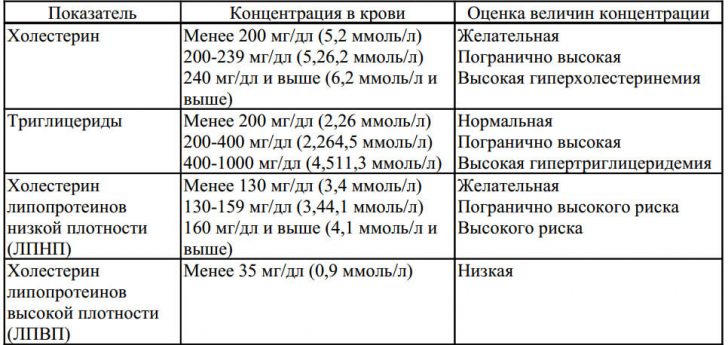
Laboratory tests include blood and urine tests. At the same time, special attention is paid to indicators such as sugar and cholesterol levels.
Instrumental studies of chronic cerebral ischemia include the following methods:
- ultrasound doppler ultrasonography;
- encephalography;
- ultrasound tomography;
- electroencephalography;
- MR angiography;
- fluorography;
- electrocardiogram.
What kind of research the doctor decides to conduct. Based on the results of the examination, the doctor can refer the patient to other specialists. Physiological research consists in measuring the pulsation in the blood vessels of the limbs and head.
How to treat chronic cerebral ischemia
Chronic cerebral ischemia is treated primarily with conservative methods. The goal of treatment is to eliminate problems with the blood supply to the brain. For this, medicines are used, consisting of three groups, which together work according to the principle: vessels-neurons-metabolism.
Groups of medicines:
- The vessels are protected by vasodilator drugs, anticoagulants and blood thinners.
- In order to protect neurons, neuroprotectors or cerebroprotectors are prescribed.
- Corrects lipid metabolism with lipid-lowering drugs.
If the patient has high blood pressure, then antihypertensive drugs are included in the therapy program. The same applies to other pathologies that contribute to the development of cerebral atherosclerosis. In addition to drug therapy, stem cell therapy and surgery are possible.
How to treat cerebral ischemia in the elderly: therapy methods, surgery and folk remedies
 Treatment of cerebral ischemia should be prescribed by a doctor after examination. How the disease is treated depends on what stage of development of the pathology is observed. In the elderly, treatment for cerebral ischemia usually begins when the disease progresses to the second or third stage. This is due to the fact that with the aging of the body, the general well-being of a person worsens, and the first signs of pathology remain unnoticed.
Medication. Treatment with medicines of different age groups is practically the same. However, in the elderly, cerebral ischemia is often accompanied by other pathologies, therefore, treatment should be directed on the cause of the violation of the blood supply to the organ: heart disease, hypertension, arteritis, hypotension and other diseases.
Neuropathologists often prescribe complex drugs: Oxybral or Cavinton forte. Such medications effectively affect various manifestations of cerebral ischemia.
Physiotherapy. To restore physical activity, massage, physiotherapy, electrophoresis and other physiotherapeutic procedures are prescribed.
Surgical intervention. On forums on the Internet, people are often interested in the question of how to treat cerebral ischemia in the elderly if medications do not help. Indeed, if the treatment gives good results in a young person, then the prognosis is less favorable with age. In some cases, patients undergo surgery. Such a decision is made only when all therapeutic methods have been used, and the situation does not improve or the patient is threatened with an ischemic stroke, which can end fatally.
The essence of the operation is to free the cerebral arteries from plaques or blood clots. Surgical intervention on the brain is extremely responsible, as it can lead to irreversible consequences, so this method is rarely used.
Stem cells. Stem cells are used to treat cerebral ischemia. With the help of this biomaterial, the mechanism of natural tissue regeneration is triggered. New cells entering the bloodstream are delivered to the affected areas of the brain and begin to multiply, filling the damaged tissue.
Stem cells are injected intravenously. The procedure takes about an hour.
Folk methods. The use of traditional medicine recipes in the treatment of cerebral ischemia is justified only when they are used in conjunction with the therapy prescribed by the doctor. It is categorically impossible to be treated exclusively with folk remedies, as this can be fatal.
In the treatment of cerebrovascular ischemia, agents are used that thin the blood, lower blood pressure and improve metabolism. Popular recipes include plants such as garlic, dill, and walnut leaves.
Prevention. One of the most important preventive measures for cerebral ischemia is the organization of proper nutrition. There are many diets designed to reduce the effects of cholesterol on blood vessels.
The essence of all diets boils down to the following:
- consume animal fats as little as possible, choosing lean meat;
- replenish carbohydrates in the body due to sweet fruits;
- reduce salt intake;
- reduce the amount of food taken at one time.
After forty years, it is recommended to undergo annual preventive examinations, which will help to identify the disease at an early stage. It is important to timely treat diseases that contribute to the development of cerebral ischemia.
If a person is at risk, then it is recommended to undergo preventive therapy, for example, treatment with leeches. You should quit smoking and start playing sports or just walking more often in the fresh air.
Ischemic brain damage in newborns
 In newborns, you can also find such a disease as cerebral ischemia. It develops in the prenatal period due to impaired placental circulation, which leads to fetal hypoxia. As a result of oxygen starvation in the fetus, a part of the brain may die.
The disease is diagnosed, as a rule, after the birth of a child. There are three stages of the severity of the disease, as in adults. Unfortunately, in such young children, third-degree ischemic brain damage in treatment has an unfavorable prognosis: the child either dies or becomes disabled.
What are the signs of pathology diagnosed:
- the head is enlarged, the fontanel is enlarged - characteristic of the manifestation of hydrocephalic syndrome;
- there is no coordinating function, the child is in an unconscious state - refers to a comatose syndrome;
- tremors of the extremities, flinching, restlessness in sleep, frequent crying - neuro-reflex excitability;
- involuntary muscle contractions of the whole body - convulsive syndrome;
- mild reflexes, facial distortion, strabismus are expressed by the syndrome of depression of the central nervous system.
Timely diagnosis and treatment of ischemic brain damage allows you to save the newborn not only life, but also health.
Partial use of site materials (no more than 30% of the content of the article) is allowed only with a hyperlink on www.med88.ru, full use of the article (more than 30% of the article content) is possible only with written permission edition.