Couperosis on the face, what is it, photo, causes and treatment
At different times, a bright blush, especially in women and girls of childbearing age, was considered a sign of excellent health. But this statement is not always correct.
Very often, the cause of a bright blush is a disease such as rosacea on the face.
Content
- What is rosacea?
- Causes of rosacea
- Provoking factors
- Classification
- Why is rosacea dangerous?
- How to care for rosacea-prone skin?
- Professional care
- How can a beautician help?
- Related Videos
What is rosacea?
Couperosis is a disease that is caused by disturbances in the process of blood microcirculation. These disorders appear if the vessels do not cope with their task for any reason.
With rosacea, the main cause is fragility, deformation or severe vasodilation.
The progression of the disease leads to premature aging, persistent redness and gray complexion.
According to statistics, rosacea is more common in people with dark skin than with light skin.
The appearance of a visible mesh occurs in women much more often than in men.
The age range of the appearance of rosacea is 30 - 35 years, but in recent years there has been a process of rejuvenation of the disease, often cases of its appearance in people after 25 years.
Causes of rosacea
The main reasons for the appearance of rosacea on the face:
- Genetics. The likelihood of spider veins on the face, and not only, is much higher in those whose close relatives suffer from the same or a similar disease;
- Sclerotic changes. They appear due to blockage of blood vessels and capillaries with cholesterol plaques. And rosacea occurs due to the fact that the blood pressure in a clogged vessel is several times higher. The fragile wall does not withstand it, deforms or collapses;
- Autoimmune process. It is associated with severe impairment of the immune system as a whole. Because of this, inflammation appears on the inner membranes of small vessels. Couperosis in this case often accompanies such diseases as: lupus, scleroderma or rheumatism;
Provoking factors
In order to avoid the appearance of asterisks, the factors that provoke this disease should be excluded:
- Constant sudden changes in temperature. It has a negative effect especially on sensitive skin. The effect is harmful not only of very high (bath, sauna, etc.), but also of low temperatures, as well as their abrupt change;
- Spicy and hot dishes. Lead to injury to blood vessels, such foods and dishes for people prone to rosacea should be avoided;
- Excessive alcohol consumption. Drinks with "degree" are capable of exerting a vasodilating effect, which in turn exerts strong pressure on the already fragile vessels;
- Smoking. Nicotine disrupts the circulatory system, which quickly worsens the condition of sensitive skin;
- Caffeine abuse. The effect of this substance is similar to that of alcohol. It is found in large quantities in coffee, tea, chocolate and energy drinks;
- Stress. A sharp increase in pressure due to a change in the emotional background leads to rupture of thin, weak vessels and the formation of asterisks;
- Ultraviolet. Excessive exposure to unprotected skin leads to fragility of blood vessels in a healthy person, and on the vessels of a person prone to rosacea, the impact force is several times higher;
Classification
Like other diseases, couperosis on the face has its own classification.
The disease is divided into stages, there are 3 of them in total:
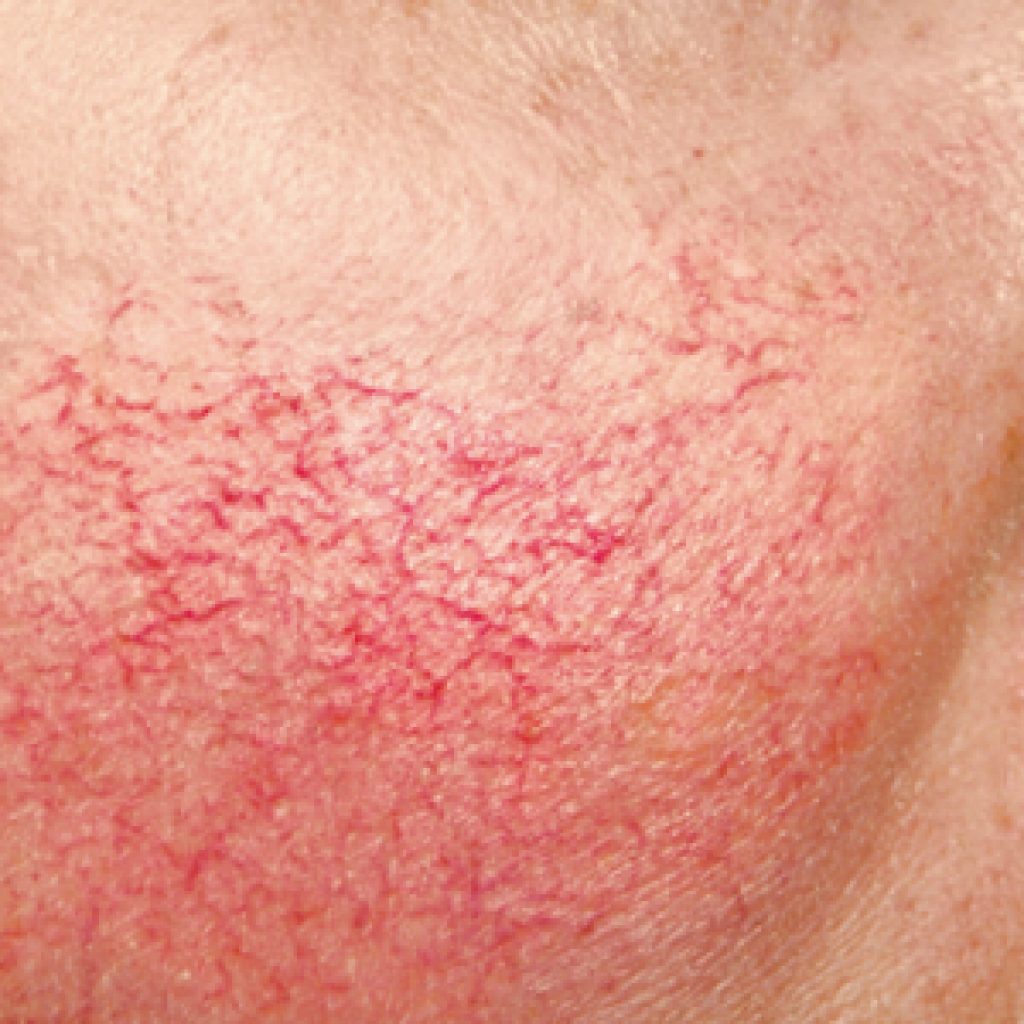
- 1st stage. It is characterized by local manifestations of redness on the cheeks, chin and sides of the nose. In some cases, in these areas, the skin begins to peel off. This stage has a name - erythrosis. Redness of this type may appear after exposure to provoking factors or for no apparent reason. In areas with redness, sensitivity is increased, there may be an itching or tingling sensation, and hot flashes are also possible. As a rule, redness disappears, this can happen in a few minutes or in a few hours;
- 2nd stage. It is characterized by a more persistent manifestation of symptoms of the 1st stage, as well as the appearance of pigmentation, visible vascular network and telangiectasia (persistent expansion of capillaries and small vessels);
- 3rd stage. It is characterized by the appearance of persistent dermatosis (significant damage to the skin of the face) due to which the process of rapid aging begins. The complexion changes to a grayish-earthy hue, rosacea may appear. The development time of this stage can be up to 30 years;
Read also:Amyloidosis of the heart
Below is a photo of rosacea with different stages (1st, 2nd and 3rd with rosacea), which clearly shows the process of disease progression:


Why is rosacea dangerous?
Couperose is primarily a disease, the progression of which leads to premature aging of the skin due to the fact that it ceases to receive nutrients and fluids in full.
Over time, the skin tone changes and becomes unhealthy, and natural beauty and youth are lost without the possibility of recovery.
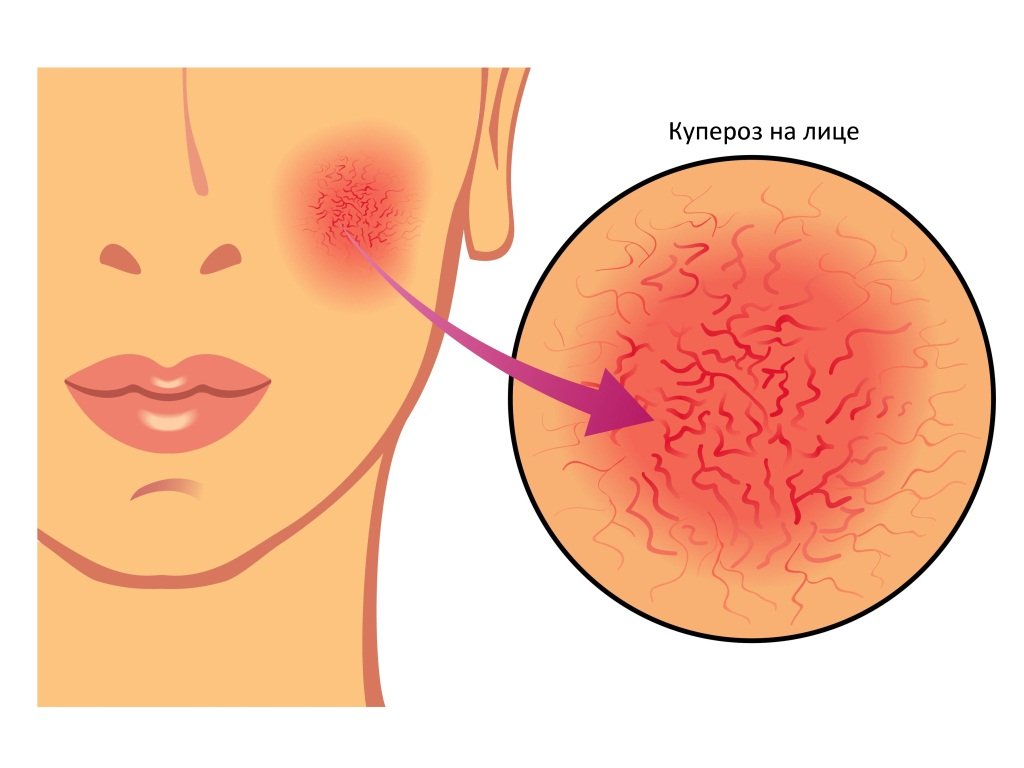
Another danger is that capillary fragility is not a local phenomenon, and if there is a mesh on the face, then it is on other organs, and this threatens with hemorrhage and dysfunction organs.
The appearance of signs of rosacea on the face may indicate that, in addition to exposure to harmful factors and direct causes, the body may suffer from some other disease, namely:
- Hormonal imbalance. In addition to rosacea on the face, there may be a sharp change in body weight in both directions, mood swings or problems with sleep;
- Disruption of the sex glands. It provokes rosacea, accompanied by a problem with an erection in men and pain, a change or absence of menstruation in women;
- Hypertension. Another disease that can cause rosacea. In addition to the mesh on the face, the pressure will change sharply or there will be different indicators on both hands (the difference is more than 10 points);
- Inflammatory processes in the sinuses. In this case, rosacea appears in the nasal area and during a runny nose or nasal congestion;
This is not a complete list of diseases that provoke the onset of rosacea on the face.
The list includes many diseases, ranging from disorders in the liver or gastrointestinal tract and ending with allergies.
In the case of the first signs of rosacea: dry skin, the appearance of spider veins or pigmented excessive blush, it is necessary to consult a dermatologist and take action.
How to care for rosacea-prone skin?
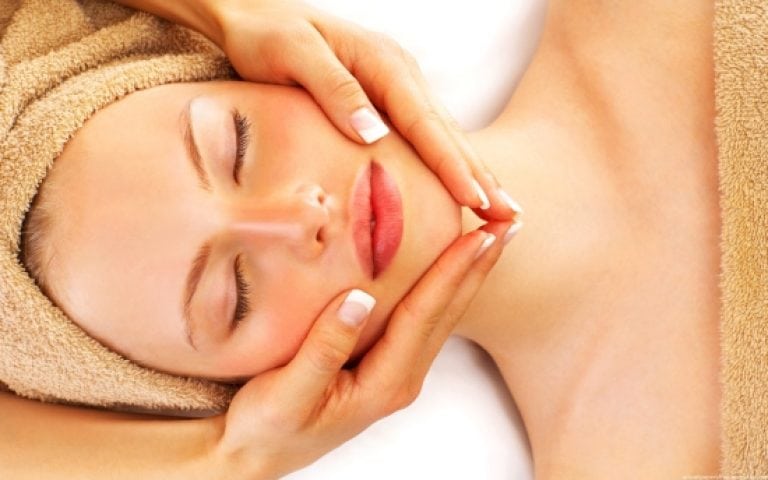
Any, even the most highly professional, help in the fight against this disease can be easily nullified only by improper skin handling at home..
Read also:Arterial hypertension
Care for such skin should be regular and correct.
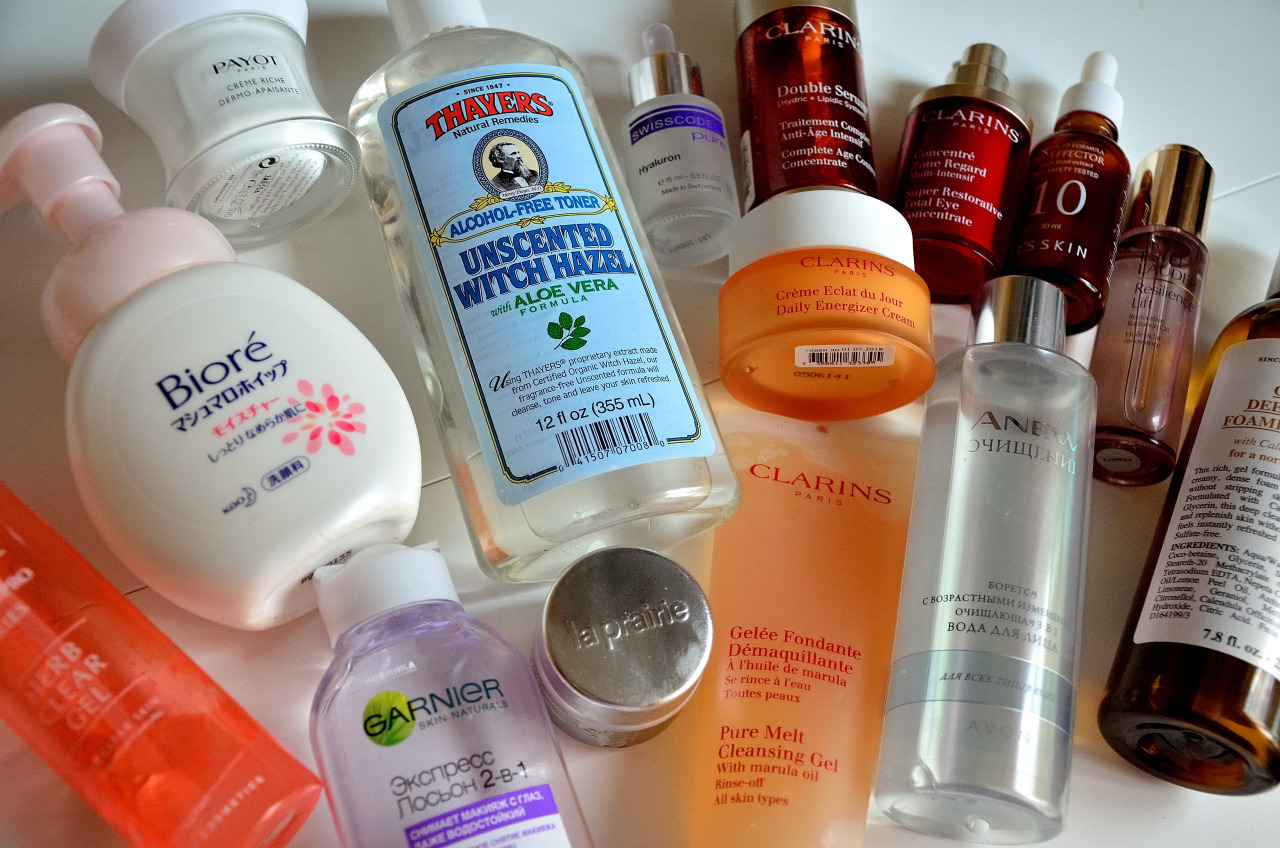
- The first step is cleansing. A characteristic feature of skin prone to rosacea is severe dehydration, so products that contain soap will not work. They destroy the top layer of fatty molecules, the main task of which is to protect against dehydration. The reaction of the skin to the removal of this barrier appears instantly, it becomes tightened and flakes off. Correct in this situation is the use of gentle, mild products without soap and warm water. or special oil (milk), which additionally moisturizes and nourishes the skin with useful substances;
- The second stage of care is toning. The tonic can be applied both with a cotton pad and with your fingers, the main task of this stage is to remove the remnants of cleansers and prepare the skin for applying a cream or serum. The product should be free of dyes and fragrances with a gentle effect. Toner for oily skin with alcohol or acid will not work. The stage is important, as it increases the efficiency of both the previous and the next stages several times;
- Nutrition and hydration. This stage is especially important for maintaining the aesthetic appearance, since the own supply of nutrients suffers greatly. Creams with filmogenic (film-forming) properties, vitamins of groups C, K and E (used to strengthen the vascular network), as well as linoleic acid are well suited. Application of funds from this stage is mandatory and should be done at least 2 times a day.
In the summer, preference should be given to creams and cosmetics with an SPF factor of 15 (determines the degree of protection against exposure to ultraviolet rays).
Another important step is the removal of dead skin cells and the fight against skin flaking. These events can be held up to 2 times a week. Compositions should be soft, without coarse particles.
In this regard, ointments are best suited for sensitive skin.
As an additional measure, you can use masks based on white clay. Application is done with a clean, soft brush, and removal with massage movements with hands or a sponge using warm water.
All masks are applied to the face for no longer than 5 minutes, and on a clay base no more than 2 - 3 minutes.
Professional care
The skin suffering from rosacea is sensitive and thinned, rashes and inflammations very often appear. The procedures that can be offered to a representative with such skin are mainly of a preventive nature.
One of these procedures is deep cleansing.
Steam baths (vaporization), chemical and hard mechanical peels are strictly prohibited, these procedures only injure the skin more.
It is permissible to use an enzyme peeling that contains biologically active substances. They are able to open the upper flakes of the skin by gently acting on it, this will enhance the effectiveness of drugs.
As a steam treatment, irrigation of the face with warm steam containing extracts of lavender or sage.
Procedures aimed at nourishing the skin should be carried out only after the skin has been cleansed. Otherwise, it threatens with severe inflammation. It is permissible to use products with fat-soluble vitamin K, oils and a multivitamin complex (E, A, K).
Read also:Heart tachycardia: what is it and how to treat it
For more complex cases with rosacea (combined vascular disease and rosacea) in addition to the above procedures, masks with collagen are mandatory.
The main direction of these masks is the prevention of mimic wrinkles and the complex strengthening of atrophic skin.
How can a beautician help?
Almost all existing drugs or procedures are aimed at eliminating symptoms: strengthening blood vessels, improving their tone and reducing a cosmetic defect.
At the same time, rosacea itself is not eliminated. And if with a mild degree of severity, visible defects can be almost completely eliminated, then with moderate and severe degrees, it is initially necessary to act on the very cause of the problem, and then eliminate the defect on face.
Modern methods of treatment make it possible to almost completely eliminate the cause of redness - damaged blood vessels. With the help of a certain action, the capillary is destroyed or sealed.
Instead, "spare" capillaries are included in the work and the blood flow is not disturbed.
These cosmetic methods include:
- Electric shock. The method is called electrocoagulation. The impact is made pointwise using a thin needle. The course of procedures lasts several months, no more than once a week. The disadvantages are the likelihood of pigmentation and microscopic scars, as well as the possibility of affecting only small foci. With a more extensive lesion, the procedure causes significant redness and a large number of needle marks. In such cases, diathermocoagulation is an alternative (the electrode is made in the form of a hair and is not inserted under the skin);
- Exposure with laser or photo rays. The name of the procedure is laser or phototherapy. They differ from each other in the spectrum of light and the size of the area of influence (laser for point use, flash for more extensive use). The selection of parameters is made individually and depends on many factors. Laser exposure can eliminate even significant skin lesions, however, with a slight lesion, the procedure will be too expensive, therefore it is rarely used. The disadvantages of both procedures are the high likelihood of pigmentation or skin discoloration (partial or complete);
- Exposure with ozone. It is called ozone therapy. The treatment of rosacea is carried out by introducing a mixture of ozone and oxygen into the cells. This allows you to reanimate cells, enhance functioning and eliminate deformation of the vascular walls. Not carried out in the presence of rosacea (rosacea). Does not leave scars and marks, and also does not cause pigmentation.
- Mesotherapy. Effective only in the early stages and only after completing several courses. Mandatory in this case is the use of auxiliary preparations containing anti-inflammatory and vitamin components. The procedure strengthens blood vessels and improves tissue blood supply;
The condition of the skin with rosacea must be maintained. To do this, it is necessary to find out the reasons for the appearance of this problem, proper care for the skin of the face and the general maintenance of the body.
Without following these points, even the most expensive and painful procedures will be a waste of time.