
Prinzmetal's angina: what is it, symptoms and treatment, prognosis
Content
- general information
- What is Prinzmetal angina?
- Causes and risk factors
- Symptoms and complications
- Major clinical complications
- Diagnostics
- Prinzmetal angina treatment
- Forecast
general information
Prinzmetal's angina characterized by recurring episodes of chest pain that usually occur when a person is resting, between midnight and early morning. "Typical" anginaon the contrary, it is often caused by physical exertion or emotional stress. Episodes of symptoms can be very painful and can last anywhere from a few minutes to thirty minutes.
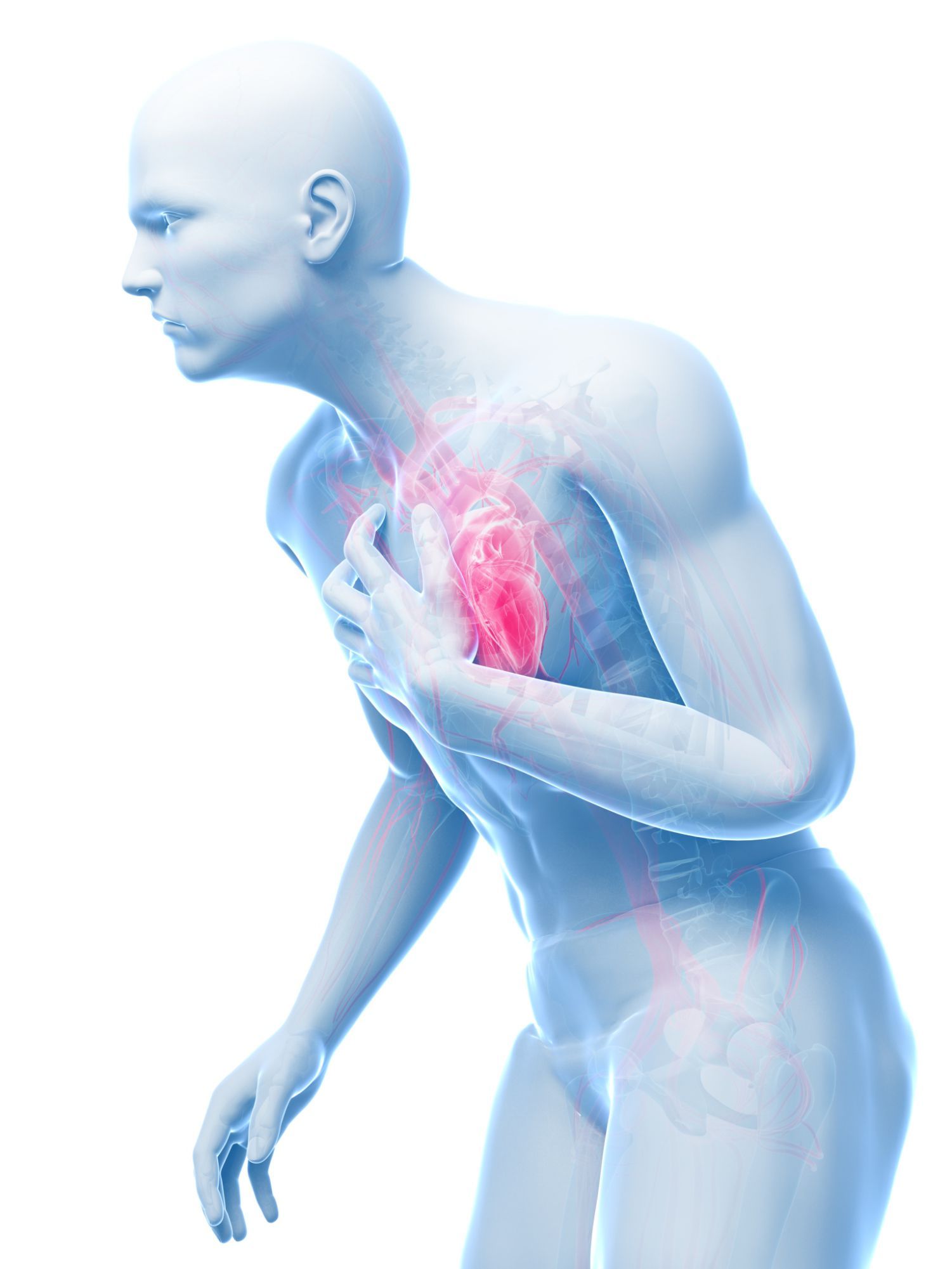
In some cases, pain can spread from the chest to the head, shoulder, or arm. The pain associated with Prinzmetal's angina is caused by a spasm in the arteries that supply blood to the heart muscle (coronary arteries). This leads to obstruction of the blood flow. For some people, persistent seizures increase the risk of serious complications such as life-threatening arrhythmia or heart attack.
The disease is most common in people who smoke and in people with high cholesterol or high blood pressure. However, in many cases it occurs for unknown reasons and in healthy people. In some cases, it can be caused by alcohol withdrawal, stress, exposure to cold, certain medications, or the use of stimulants such as cocaine.
Diagnosis includes findings on an electrocardiogram, evidence of cramping on an angiogram, and relief of sudden symptoms with drugs called nitrates.
Treatment during episodes of symptoms to relieve pain and shorten its duration includes the use of sublingual nitroglycerin (nitrate). Treatment to reduce the frequency of episodes and possibly reduce the risk of serious complications includes calcium channel blockers or long-acting nitrate. For people with Prinzmetal angina who smoke, quitting smoking can lead to a significant reduction in the frequency of episodes.
Prinzmetal's angina (synonyms: vasospastic angina pectoris, variant angina pectoris, spontaneous angina pectoris) is a form of angina pectoris caused by spasm of the coronary artery, which consists of a sudden occlusive vasoconstriction of a segment of the epicardial artery, which leads to a sharp reduction in the coronary blood flow.
Causes and risk factors
Unlike typical angina pectoris - which is often caused by physical exertion or emotional stress - Prinzmetal angina almost always occurs when a person is resting, usually between midnight and early in the morning. These attacks can be very painful.
Read also:Causes of leg swelling in women, men, what to do and how to treat swelling in the legs
Reasons for variant angina pectoris: spasm in the coronary arteries (which supply blood to the heart muscle).
Coronary arteries can spasm as a result of:
- exposure to cold weather;
- arterial hypertension;
- stress;
- high cholesterol levels;
- medicines that tighten or narrow blood vessels
- smoking;
- the use of alcohol, cocaine.
Prinzmetal's angina accounts for about 2.0% of hospitalizations with a clinical picture of unstable angina. This is most often seen in adulthood (50 to 60 years old) and shows a 5: 1 ratio among males and females. Smoking is the only recognized risk factor; however, the use of certain other harmful substances (eg, alcohol, cocaine, 5-fluorouracil, sumatriptan) can also contribute to variant angina.
In rare cases, variant angina is associated with systemic vasomotor disorders such as migraine and Raynaud's phenomenon, which indicates the presence of a general vascular disorder.
Symptoms and complications

The main symptom Prinzmetal variant angina is recurrent episodes of chest pain that usually occur when a person is resting during sleep (around midnight to 8 am). Some people report feeling "discomfort" rather than "pain." For some people, pain may spread to the neck, jaw, shoulder, or arm.
Other sensations during episodes may include chest tightness or pressure, "heart burns," nausea, sweating, dizziness, and episodes tachycardia. The episodes of symptoms usually last 2 to 20 minutes (longer in some cases) and tend to be similar to each other.
Major clinical complications
A minority of patients may develop severe ventricular tachyarrhythmias or bradyarrhythmias (sinus arrest, atrioventricular block) during myocardial ischemia, caused by spasm of the coronary arteries, which can lead to fainting or pre-syncope or even cardiac arrest (mainly ischemic-induced fibrillation ventricles).
In addition, in some cases, the spasm can be prolonged and / or complicated by local coronary thrombosis, which can cause acute myocardial infarction.
Diagnostics
Prinzmetal angina should be suspected in every patient with bouts of chest pain occurring exclusively or predominantly at rest. Although most patients with resting angina have the most common form of unstable angina, characterized by coronary thrombosis, individualization in a subgroup of patients with variant angina among these patients is critical, since the possibility prevent spasm of the coronary vessels by the introduction of a vasodilator (for example, calcium) - antagonists and nitrates) will avoid life-threatening complications of coronary spasm, including cardiac arrest and acute myocardial infarction.
Read also:Hyperlipidemia
Angina attacks are usually short in duration (2-5 minutes, but sometimes only 30 seconds) and may recur in groups of more episodes over 20-30 minutes. Angina pectoris usually responds quickly to sublingual nitrates and can be circadian in nature, with a predominance in the early morning or night hours.
Effort tolerance is usually well maintained, but exercise can cause cramping in about a quarter of patients. Variant angina may present "hot phases" with frequent relapses of angina pectoris alternating with "cold phases", with remission of symptoms within weeks or months.
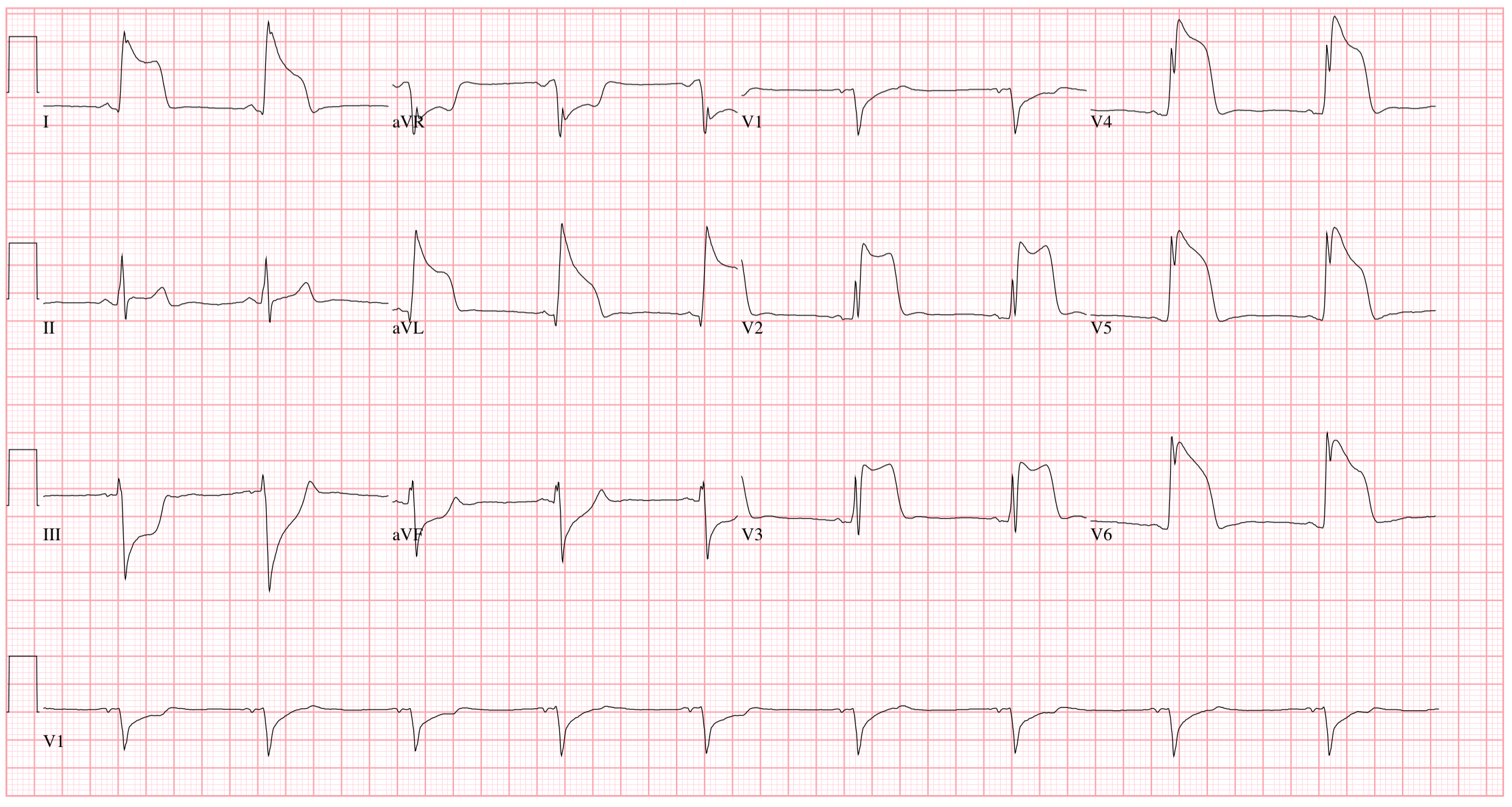
The diagnosis can be confirmed by recording the short-term elevation of the ST segment (> 1 mm) on the ECG during angina pectoris. When 12-lead ECGs are difficult to obtain during pain, diagnosis can often be made by taking an outpatient ECG. conditions for 24 or more hours, which often reveals the presence of quiet ischemic episodes, accounting for 75-80% of all ischemic seizures.
In a few cases, provocative pharmacological tests are needed to confirm the diagnosis of vasospastic (variant) angina. Intracoronary or intravenous ergonovine or intracoronary acetylcholine infusion can be used to induce and directly demonstrate coronary spasm during coronary angiography.
Intravenous ergonomic testing, on the other hand, can also be safely performed non-invasively, with careful clinical monitoring of 12-lead ECG, with coronary spasm confirmed by induction of angina pectoris and segment elevation ST.

Vasospastic angina attacks can be effectively prevented with medium to high doses calcium antagonists (not dihydropyridine and dihydropyridine drugs, alone or in combination) in about 90% of patients. In some cases (eg persistence of episodes, side effects of calcium antagonists), the addition of long-term nitrates useful for controlling symptoms.
Read also:Sudden cardiac death
In about 10% of cases, coronary artery spasm may be unresponsive to optimal vasodilator therapy and requires very high doses of calcium antagonists / nitrates. In case of persistent angina attacks, Prinzmetal can help anti-alpha adrenergic drugs, such as guanethidine (Octadin) or clonidine (Katapresan, Gemiton, Chlofazolin, Atenzina, Capressin, Clonilon, Hyposin).
It is also assumed that using antioxidant vitamins (C and E) improves endothelial function and reduces vascular reactivity in prinzmetal angina and, therefore may improve the effect of vasodilators, but data on this possible approach absent. An opener can be added where possible K + -channel nicorandil.
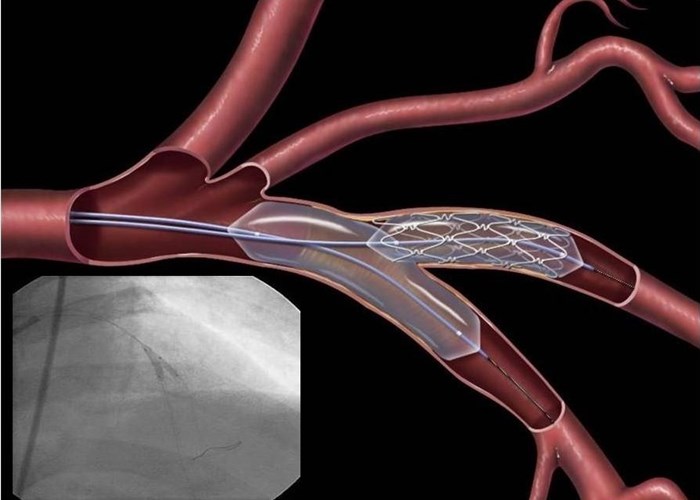
Latest data that coronary angioplasty with stenting may also help prevent coronary spasm in refractory angina.
Complete denervation of the heart with plexectomy, with or without coronary artery bypass surgery, has previously been suggested for the most persistent cases; however, procedural risks are high and the results are inconsistent.
Because of the potential for long-term remission of symptoms, patients who become asymptomatic may try to gradually abandon drug therapy, in case of relapse of angina pectoris, quickly introduce vasodilator. However, long-term treatment with vasodilators is recommended for those patients with signs of angina attacks who are at risk of life-threatening tachy or brady arrhythmias. In these patients, consideration should be given to the need for implantation of an automatic cardiac defibrillator or pacemaker, respectively.
Forecast
With timely treatment, the prognosis is favorable. For some, the disease goes away on its own. In others, it persists for many years without treatment. In some cases, vasospasm can cause not only Prinzmetal's angina, but also heart attack, a significant and more life-threatening condition.
Prinzmetal angina is a chronic condition that should be treated by a cardiologist, even if the prognosis is generally good.


