Heart failure: symptoms and treatment, prevention of heart failure
Heart failure (HF) is a condition accompanied by tissue hypoxia due to insufficient blood supply. Reducing the volume of pumped blood to a critical level can lead to cardiac arrest and sudden death.
Content
- Causes of occurrence
- Symptoms
- Features of the course of pathology in women, men, children and the elderly
- The main types and stages of heart failure
- How is heart failure diagnosed?
- Heart failure treatment
- Surgery
- Traditional methods of treatment
- Prevention of heart failure
- Forecast
- Related Videos
Causes of occurrence
Heart failure is most often associated with the occurrence of other diseases in a person. The most common cause of heart failure is coronary artery disease. arteries, which is a disorder that narrows the arteries that supply blood and oxygen heart. Other conditions that can increase your risk of developing heart failure include:
- cardiomyopathy, which is a disorder of the heart muscle that weakens the heart;
- congenital heart defect;
- heart attack;
- heart and vascular disease;
- certain types of arrhythmias or irregular heart rhythms;
- high blood pressure;
- emphysema, chronic obstructive pulmonary disease;
- diabetes;
- overactive or inactive thyroid gland;
- HIV;
- AIDS;
- severe forms anemiaare a deficiency of red blood cells;
- some cancer treatments such as chemotherapy
- drug or alcohol abuse.
Symptoms

The first signs of heart failure syndrome appear in the presence of stagnant processes in the large or small circle of blood circulation, as well as with reduced myocardial contractility.
The emergence of these pathological conditions is possible as a result of organic damage to individual areas. heart and blood vessels (for example, with progressive atherosclerosis of the coronary arteries and other cardiac diseases).
You should pay attention to the following symptoms:
- constant lethargy, apathy;
- sleep disturbance in a supine position;
- blue discoloration of the nasolabial triangle;
- dyspnea;
- wheezing when inhaling and exhaling;
- sudden weight gain;
- loss of appetite;
- persistent cough;
- irregular heartbeat;
- heart palpitations;
- bloating;
- shortness of breath.
If one or more of the above symptoms is detected, it is urgently necessary to show the doctor so that he confirms or refutes the presence of abnormalities in the work of the cardiovascular system. With prolonged untreated cough and wheezing, there is a high risk of rupture of the walls of the left ventricle, which can lead to pulmonary edema and cardiogenic shock.
Features of the course of pathology in women, men, children and the elderly

As a rule, obvious pathological symptoms in women appear only in adulthood, mainly in the climacteric period. This is due to a sharp decrease in the level of hormones, which, being in perfect balance up to a certain point, supported the general immunity and the work of cardiovascular activity as well.
According to statistics, heart failure in women is detected closer to 60 years of age and in rare cases can be observed during the period of bearing a child with preeclampsiaaccompanied by high blood pressure, edema and thrombus formation.
Due to various factors, men suffer from cardiovascular diseases more often than women, so the average life expectancy for the stronger sex is lower. This is due to the fact that young people are more prone to excessive physical activity (for example, with military service), which contributes to the premature wear of the heart muscle and the appearance on it scars.
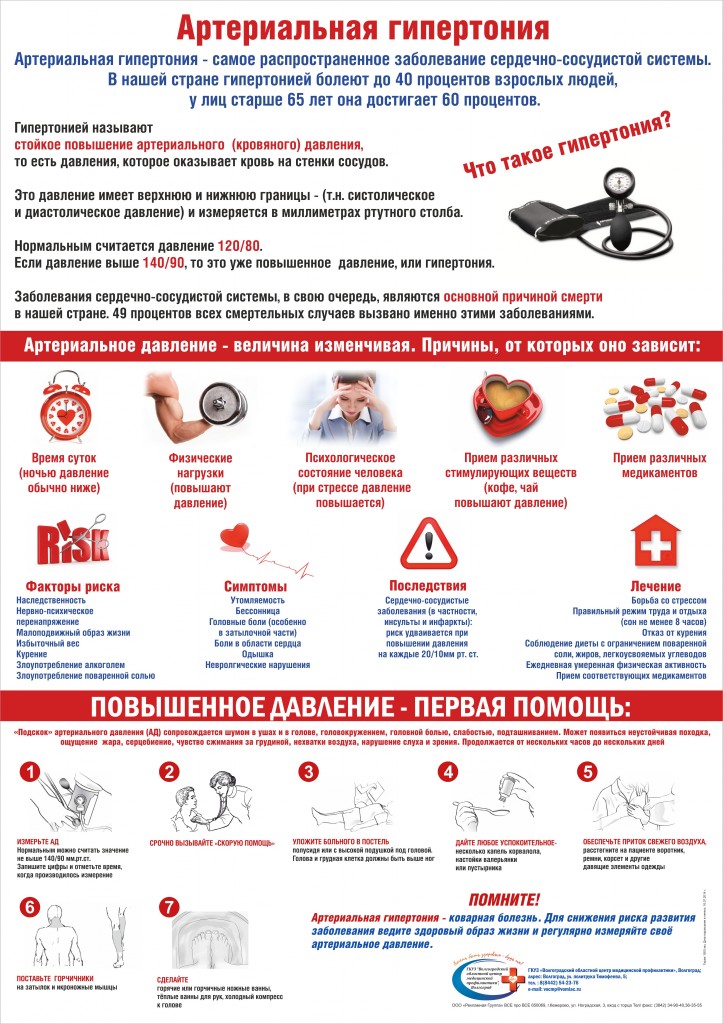
Read also:Arterial hypertension
An important role is also played by addiction to alcoholic beverages, tobacco smoking and unhealthy food products - everything that women try to avoid, fearing for their health and, as a result, the health of the future child. An improper lifestyle negatively affects the state of blood vessels and provokes the development of stenosis. Heart failure in men first appears at the age of 40-45 and, if untreated, can progress rapidly, especially in the presence of other chronic diseases.
Heart failure in children is less common than in adults and usually refers to congenital heart defects. It is difficult to diagnose pathology at an early stage of development, since the child cannot explain what exactly bothers him. Most often, HF is expressed in a dry cough, which indicates stagnation of blood in the lungs, but is mistaken by the parents for a respiratory illness.
Heart failure in older people is much more common than in young people, since the pathology develops over a long time with almost no symptoms. Men and women are equally susceptible to it, but the clinical picture may have some differences.
The main types and stages of heart failure

With various circulatory disorders in the body, compensatory mechanisms are activated, the main purpose which - to reduce the intensity of the load on the heart muscle by redistributing it to other departments organ. This is accompanied by expansion of capillaries, increased tissue perfusion and, accordingly, a change normal rhythm and heart rate. If this phenomenon is permanent, then chronic heart failure (CHF) develops.
For a long time, a person may not notice a significant deterioration in well-being, but, working on peak of its capabilities, the heart wears out: the volume of pumped blood decreases, its stagnation is observed in ventricles. In medicine, there are three stages of CHF:
- Initial. Pathology is asymptomatic, characteristic signs appear only with physical exertion in the form of increased heart rate, shortness of breath and rapid fatigue.
- Expressed. This stage of pathology is divided into two categories. The first is accompanied by visible signs of hemodynamic disorders in the form swelling of the legs, blue nasolabial triangle and shortness of breath with normal physical activity. The second category includes the same manifestations, but only at rest.
- Dystrophic. In this case, irreversible pathological changes in the structure of tissues of internal organs occur as a result of their prolonged hypoxia due to insufficient blood circulation. Natural biological processes slow down, clinical death can occur at any time of wakefulness or sleep.
With a sharp decrease in compensatory mechanisms (decompensation) as a result of myocardial dystrophy and hyperextension arterial walls develop acute heart failure (AHF), which can develop on the left or right type. In this case, the pathology progresses rapidly and can result in cardiac asthma, pulmonary edema or cardiogenic shock with subsequent death.
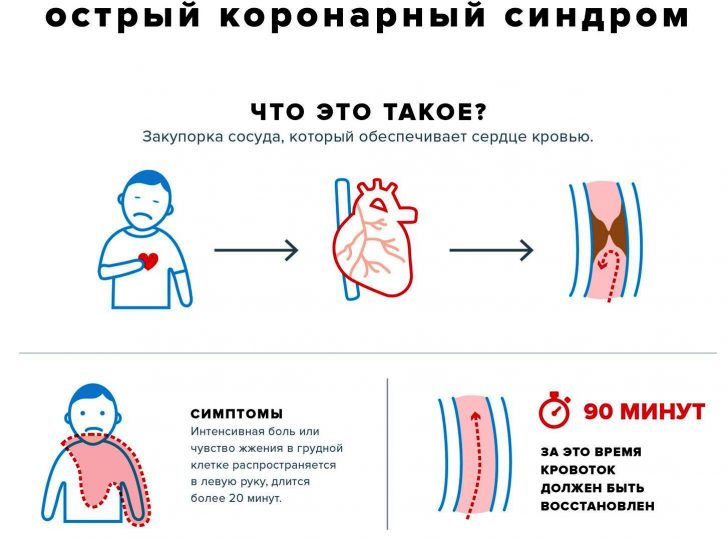
Read also:Acute coronary syndrome (ACS)
How is heart failure diagnosed?
An echocardiogram is the most effective way to diagnose heart failure. The method uses sound waves to create detailed pictures of your heart, which help your doctor assess damage to your heart and determine the underlying causes of your condition.
Heart failure treatment
Treatment of heart failure begins with a cardiac examination, which includes a set of the following diagnostic procedures:
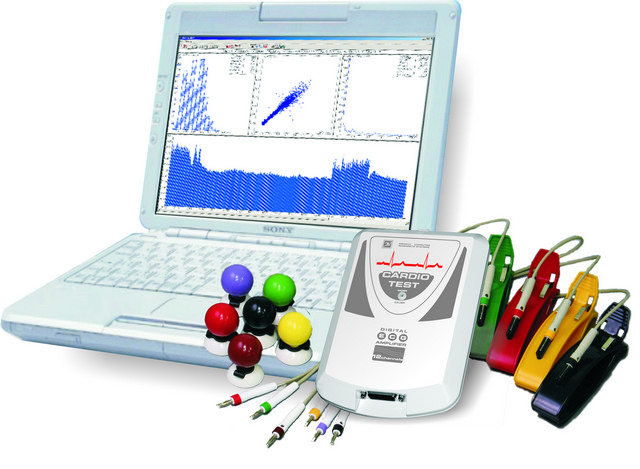
- echocardiography (this is the main method, as mentioned above);
- ECG (electrocardiogram);
- veloergometry;
- ventriculography (X-ray examination of the heart using a contrast agent);
- X-ray and MRI (magnetic resonance imaging).
These diagnostic methods allow you to identify various abnormalities in the work of the heart muscle, assess the state of the vessels, see the damaged areas of the myocardium and more. When HF is detected, traditional medicine offers pharmacotherapy, that is, the prevention and treatment of heart failure with drugs of the following groups:
- anticoagulants;
- diuretics;
- cardiac glycosides;
- B-blockers;
- nitrates;
- ACE inhibitors;
- vasodilators;
- potassium preparations and B vitamins in tablets.
If heart failure is caused by such serious diseases as aneurysm of the heart or obliterating atherosclerosis, urgent surgery is performed to eliminate the underlying cause of the pathology.
Surgery
Some people with heart failure will need surgery, such as coronary artery bypass grafting. During this surgery, your surgeon will take the healthy portion of the artery and attach it to the blocked artery. This allows blood to bypass the blocked, damaged artery and flow through the new one.
Traditional methods of treatment

At an early stage of the development of heart failure, it is possible to reverse pathological processes reversed with the regular use of natural remedies prepared according to traditional medicine recipes.
The dosage and composition of herbal teas, decoctions and infusions must necessarily be agreed with the cardiologist, since some home-made medicines may be identical to pharmacy medicines in terms of pharmacological properties.
The treatment and prevention of heart failure with folk remedies is based on intensive restorative therapy, which gives positive results with mild signs pathology.
If a person suffers from acute heart failure, the alternative method of treatment is used only together with the main one - medication, since there is a high risk of severe complications and rapid deterioration well-being. Below are some popular homemade teas and infusions for the prevention and treatment of heart failure:
- Viburnum infusion. Mash a tablespoon of fresh or thawed viburnum berries at the bottom of the glass, adding 30 gr. linden honey. The mixture is poured with hot boiled water and infused for one hour.
- A decoction of birch leaves and spruce needles. Grind the raw materials, put in a saucepan with water and cook over low heat for thirty minutes. Use the resulting broth up to five times a day for 1/4 cup.
- Infusion of elecampane on oats. Pour the dried and chopped roots of elecampane with pre-prepared broth of oats, then put the resulting mixture on fire and bring to a boil, but do not cook. The resulting product must be insisted for two hours, then strain and add 2-3 tablespoons of honey. The recommended course of treatment is two months, the dosage is determined by the doctor.
Read also:Bradycardia
Prevention of heart failure
Depending on whether a person suffers from the first manifestations of pathology or only wants to prevent their appearance, the prevention of heart failure is divided into primary and secondary.
The main goal of primary prevention is the timely detection and treatment of current cardiovascular diseases that are a trigger for the development of CHF (chronic cardiac failure). To do this, you must follow the basic principles of a healthy lifestyle and nutrition, which include:
- systematic moderate physical activity;
- control of BMI (body mass index);
- exclusion from the diet of excessively sweet and fatty foods;
- refusal to use carbonated and alcoholic beverages;
- compliance with the rest regime;
- quitting smoking.
Each person needs to try to avoid stressful situations, because with nervous excitement occurs the production of cortisol, a stress hormone that, in large quantities, leads to a malfunction of the heart and even acute myocardial infarction. Cortisol provokes a strong spasm of the walls of the arteries, which can lead to chronic vascular insufficiency.
If a person already suffers from one or several diseases at once, secondary prevention of heart failure is carried out, which includes a number of therapeutic measures aimed at eliminating the main causes of pathology and suppressing individual symptoms.
Forecast
The patient's life prognosis is variable, since much depends on how soon treatment was started and what is the underlying cause of the developing heart failure. With a pronounced form of pathology (second-third degree), the survival threshold of patients is about 5-7 years.
With the timely elimination of the root cause of HF and maintaining a healthy lifestyle, it is possible to improve the general condition cardiovascular system, which will avoid serious consequences, improve the quality and increase the duration life.
Timely prevention of heart failure can prevent such potentially life-threatening conditions such as pulmonary edema or cardiac asthma, which are often fatal the outcome. A lot of time passes from the onset of the development of pathology to the manifestation of the first symptoms, so often heart failure syndrome is diagnosed at a late stage, when complications are practically avoided impossible.
For this reason, doctors recommend that you undergo a preventive examination every few years, which will allow you to identify possible violations in time and, if necessary, undergo a course of treatment.