Myocardial infarction: what is it, symptoms, treatment, consequences
Content
- Introduction
- What is myocardial infarction
- Extensive infarction
- Causes
- Symptoms
- Types and stages
- Diagnostics
- Consequences
- Treatment
- Treatment methods
- Drug treatment
- Surgery
- Rehabilitation after a heart attack
- Diet during rehabilitation
- Rehabilitation phytotherapy and traditional medicine recipes
- Prophylaxis
- Forecast
Introduction
Myocardial infarction (heart attack) occurs as a result of blocking the blood flow to a part of the heart muscle: if the blood flow does not recover quickly, the part of the heart affected by a lack of oxygen dies off.
Heart attack are the leading cause of death in Western countries, but today there are therapeutic approaches that can save lives and prevent the onset of disability: treatment will be more effective if it is started within an hour after the onset of the first signs.
Myocardial infarction occurs mainly due to a pathology called atherosclerosis: various lipid substances (fats) accumulate during for many years along the inner walls of the coronary arteries (arteries that supply the heart with blood and oxygen) and form atherosclerotic plaques.
Over time, some of the plaques may come off, leading to the formation of blood clots on the surface of the plaques. If the blood clot becomes large enough, it blocks some or all of the high oxygenated blood flow to the part of the heart muscle that is fed by the artery.
During myocardial infarction, if the obstruction of the coronary arteries cannot be quickly healed, the heart muscle begins to weaken and be replaced by scar tissue. This damage to the heart may not be obvious or, conversely, lead to serious and long-term problems.
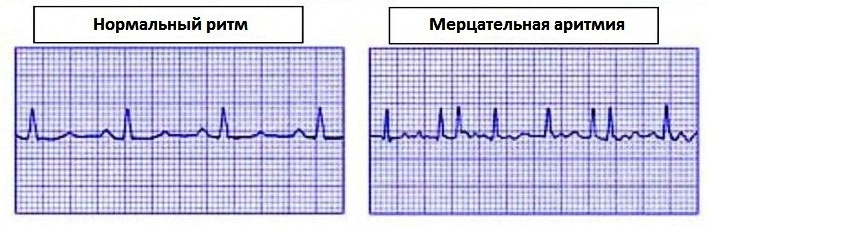
Heart attack problems include life-threatening arrhythmia (irregular heartbeat) and heart failurecaused by the inability of the heart to pump the required amount of blood throughout the body.
Typical symptoms of a heart attack are:
- chest discomfort (tightness or pain);
- shortness of breath;
- upper body discomfort (may affect arms, shoulders, neck, back),
- nausea, vomiting, dizziness, increased sweating.
Women, unlike men, have more labored breathing, nausea / vomiting and pain in the back and jaw.
Annually about 17 million people all over the world die from cardiovascular diseases, mainly from heart attacks and strokes, and many more people can recover from these diseases if they receive timely help: of all people who die of heart attacks, about half of them die within an hour after the onset of the first symptoms and before the arrival of the ambulance team.
What is myocardial infarction
Myocardial infarction is an atrophy of the muscle of the heart due to insufficient blood supply. Specialists diagnose this condition as a manifestation coronary heart diseasecharacterized by burning severe pain behind the sternum, radiating, as a rule, to the left side of the body.
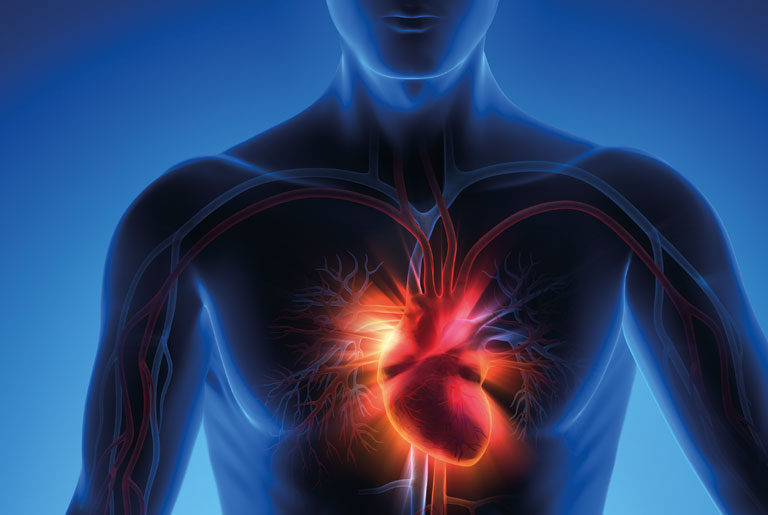
The cardiovascular system at this moment gives a serious failure, which can cause extensive myocardial infarction and lead to death if untimely access to a doctor.
Extensive infarction
A massive heart attack is a more dangerous type of pathology that affects a large area of the heart muscle. In almost all cases, the consequences of a massive heart attack are fatal.
This phenomenon is caused by thrombosis, which is divided into the following types:
- transmural;
- large focal;
- circular.
With such a phenomenon, it is impossible to completely cure the patient, but the speed of diagnosis and the treatment started on time increases the patient's chances of partial restoration of heart functions.
Causes
Like any muscle, the heart needs a constant supply of blood and oxygen. Without blood, the cells in the heart are immediately damaged and this causes pain and pressure.
If blood flow is not restored, heart cells can die and a scar (medically “scar tissue”) can form instead of functioning heart tissue.
Lack of blood flow to the heart can also lead to irregular heart rhythms, which can be fatal.
A heart attack occurs when one or more of the arteries that carry oxygen-rich blood to the heart are blocked: these arteries are called coronary arteries and surround the heart like a crown.
The following factors may cause this:
- Atherosclerosis;
- Age over 45;
- Gender. According to statistics, in women, a heart attack occurs almost twice as often, especially at the last stage. climax;
- Hypertension. Increased pressure increases the load on the work of the heart, as a result of which there is a lack of oxygen and necrosis develops;
- Previous heart attack;
- Overweight, obesity increases the risk of atherosclerosis;
- Diabetes. The disease causes thickening of the blood, the deposition of cholesterol on the walls of blood vessels, which brings the likelihood of a heart attack closer;
- Smoking. Intoxication of the body leads to the closure of oxygen access to the myocardium, and the frequency of smoking does not play a big role;
- Sedentary lifestyle.
- Nervous strain. Stress and increased emotionality also negatively affect the work of the heart and blood vessels;
- Alcohol abuse. Constant poisoning of the body with alcohol leads to dystrophy of the heart muscle;
- Hereditary predisposition. A predisposition to a heart attack also takes place, since an innate tendency is transmitted through DNA.
Symptoms
To maintain your health, and sometimes life, it is very important to thoroughly study the symptoms of myocardial infarction. It is they who often help to recognize the disease in time and prevent the irreversible consequences of an attack.
Read also:How to lower blood pressure at home, 7 quick effective ways + recipes of traditional medicine for hypertension

One third of cases is a transition from a pre-infarction state, in which the following signs of a heart attack can be noted:
- attack angina pectoris;
- cold sweat;
- abdominal pain;
- nausea;
- panic attacks;
- blanching;
- difficulty breathing;
- headache;
- fainting.
The rest of the symptoms, which appear suddenly, have several developmental options:
- Anginal variant. This is the most common acute myocardial infarction. It is characterized by severe angina pectoris, lasting more than 20 minutes, and is equated to a serious condition from which the patient is very difficult to get out. The pathology got its name in connection with pain in the throat area similar to the manifestations sore throats.
-
Asthmatic variant. This is an atypical form of myocardial infarction, which occurs in 5-10% of patients, mainly women aged 50 years and older men. Half of the cases are accompanied by chest pain and suffocation, and with high blood pressure, cardiac asthma begins to develop rapidly. The main symptom that you should pay attention to in the first place is considered dyspneaassociated with pulmonary edema and left ventricular failure, as a result of which extensive myocardial infarction can occur. Do not ignore the first signs of an asthmatic form of a heart attack. It manifests itself in the following images:
- anxiety, an attempt to "find a place for yourself";
- increased breathing rate;
- change of a short inhalation with a long exhalation;
- blanching;
- blue lips;
- cold sweat;
- the appearance of strong wheezing;
- severe cough with possible bloody or pinkish discharge.
-
Gastralgic option. It is observed in no more than 3% of patients and resembles a sharp blow with a sharp stabbing object, felt in the whole abdomen, and resembling an attack stomach ulcer either acute pancreatitis. The main signs are:
- abdominal pain;
- bloating;
- nausea, vomiting;
- diarrhea;
- hiccups;
- belching with air;
- epigastric pain.
When treating the manifestation of signs of a gastralgic variant of myocardial infarction, it should be borne in mind that pain may appear due to physical and emotional exhaustion and move on an increasing basis. Also, pain is accompanied by the fear of death, therefore, the patient's attention should not be focused on this.
-
Cerebral variant. It is characterized by the absence of painful sensations in the heart. The main signs of a patient's pre-stroke condition:
- excruciating headaches;
- dizziness;
- slurred, slow speech;
- nausea;
- paralysis of the legs and arms.
- Painless variant of a heart attack. Most often, in this case, the symptoms of myocardial infarction in the form of pain are absent. May be accompanied by subtle, atypical chest pains, poor sleep, increased sweating and is detected only during a preventive examination by means of an electrocardiograph.
- Low-symptom variant. This is the most dangerous type of acute myocardial infarction (AMI), which is almost impossible to determine without a complete examination. A loss of strength can be noted, but such a symptom can also speak of elementary fatigue.
- Arrhythmic variant. The first signs of myocardial infarction of this form are a violation of the rhythm of the heartbeat and a decrease in blood pressure. This type of AMI often ends in death, since in most cases it is accompanied by cardiogenic shock. Moreover, it is really difficult to identify this form, since even after an ECG, an acute heart attack is not always detected.
- Edematous option. This form of AMI most often affects patients with heart failure. There is a sharp ubiquitous swelling, shortness of breath appears, the size increases liver.
Types and stages
There are two types of myocardial infarction: small focal and large focal.
Small focal infarction affects a small area of the heart, which less often entails serious consequences. As for the large-focal one, the situation here is more serious. A large area is affected, which requires long-term treatment, and the heart attack can recur and be fatal within 6-12 weeks.
Consider the stages of macrofocal myocardial infarction:
- Preinfarction. It is observed in 50% of all cases. At this stage, a person experiences a sharp deterioration in health, accompanied by insomnia, severe weakness, attacks of angina pectoris, anxiety. There is no feeling of recovery even after prolonged sleep.
-
The sharpest. This stage lasts on average from half an hour to two hours and is characterized by sharp pain behind the sternum, which can radiate to the neck, shoulder, arm. At this moment, pains of the following nature are noted: burning, bursting pain in the heart, aches. Symptoms at this stage can be in the form:
- nausea;
- shortness of breath;
- shortness of breath;
- weakness that came on sharply;
- dizziness;
- anxiety, fear of death;
- paleness;
- distortion of facial expressions;
- sharp jumps in pressure, from high to low;
- heart rhythm disturbances;
- cold extremities;
- cold sweat.
-
Sharp. It lasts about two days, and with a relapse of ten or more days, it is considered the most dangerous period of AMI, because it is at this stage that various disorders can occur in the body:
- ruptured heart muscle;
- Blockage of a blood vessel by a detached thrombus (thromboembolism)
- arrhythmia;
- circulatory disorders of the brain.
- Subacute. The duration of this stage is about a month. It is expected that the number of leukocytes in the patient's blood will decrease and the body temperature will normalize. If this does not happen, then the task of doctors is to do everything to prevent postinfarction syndrome.
- Postinfarction. The final period of myocardial infarction, in which a scar forms on the damaged heart muscle. In 33-35% of patients, a heart attack may recur within three years. But in general, if the patient did not experience complications during this time, then the patient's physical condition quickly returns to normal.
Read also:Heart diseases
Diagnostics
A timely diagnosis can not only save the patient's life, but also prevent the further course of the disease. Also, diagnosis is an important step in the treatment of myocardial infarction.
For an accurate diagnosis, the patient must provide the attending physician with comprehensive information about his state of health, including even the most minor symptoms.
Diagnostic steps to help identify the disease:
-
Electrocardiography (ECG). Method of monitoring cardiac biopotentials. The data obtained by the electrical impulses is plotted on paper as a graph with the performance characteristics of all cardiac zones, helping to identify a specific zone of pathology. The main tasks of the ECG are:
- identification of violations of the frequency and rhythm of the heartbeat;
- detection of any changes in the heart muscle;
- determination of thromboembolism or pulmonary diseases;
- and other.
- Cardiospecific markers Are enzymes that allow detecting myocardial damage by releasing them into the blood.
-
Laboratory tests:
- troponin;
- myoglobin;
- creatine phosphokinase;
- lactate dehydrogenase;
- aspartate aminotransferase.
- Echocardiography Is a safe ultrasound diagnostics that helps to examine all pathological changes in the heart in the most informative way.
Other studies. In some cases, additional research may be needed, such as:
- laboratory research;
- radioisatopic research;
- catheterization;
- coronary angiography.
Consequences
Complications resulting from a heart attack are often associated with damage to the heart during a heart attack:
- Heart rhythm disorders (arrhythmias). If the heart muscle is damaged as a result of a heart attack, a so-called short a short circuit that causes abnormal heart rhythms, some of which can be severe or even deadly.
- Heart failure. The amount of damaged tissue in the heart can be so large that the still functioning portion of the muscle tissue cannot properly supply blood to the heart. This reduces blood flow to tissues and organs throughout the body, and can cause shortness of breath, fatigue, and swelling of the ankles and feet. Heart failure can be a temporary problem that can go away on its own after the heart resumes normal activity after a few days.
- Heart failure. Some areas of the heart muscle that have been weakened by a heart attack can rupture, creating a hole in the heart tissue. Often this damage leads to immediate death.
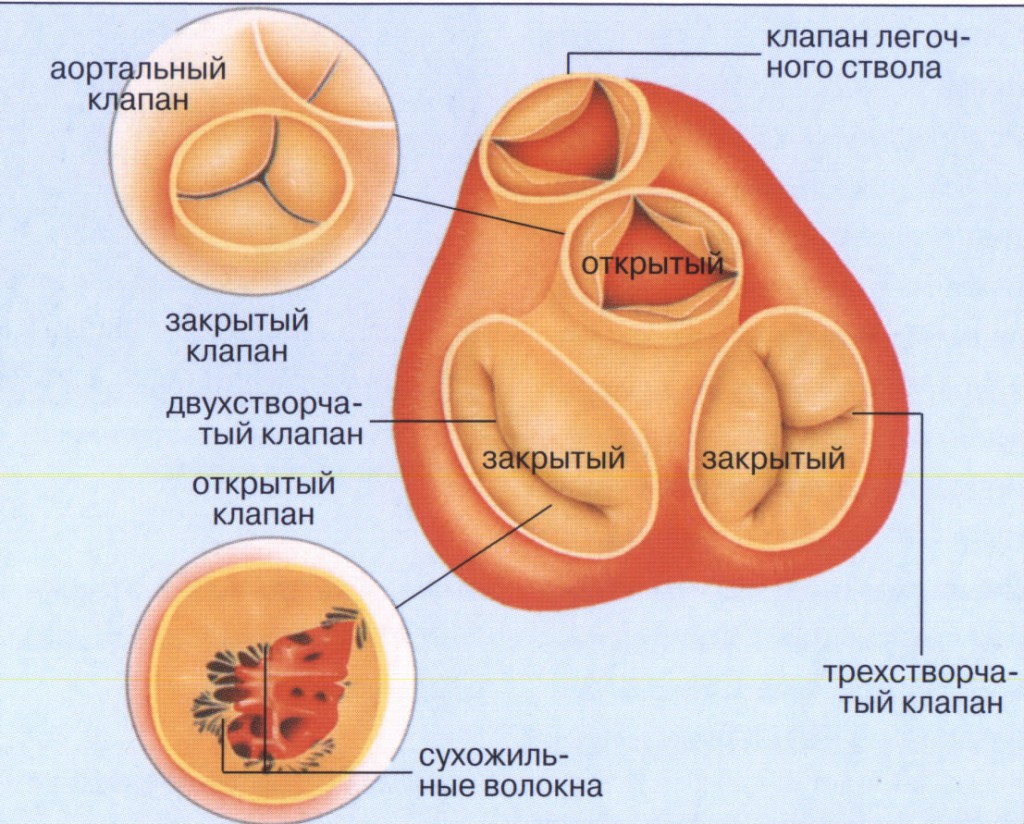
- Valve problems. Heart valves damaged during a heart attack can lead to serious, life-threatening problems.
Treatment
The first steps of treatment are the provision of urgent medical care. It is very important to eliminate the first signs of a heart attack in time.
During a heart attack, you must act immediately and do the following:
- Seek medical attention urgently. If you have even the slightest suspicion of a heart attack, do not be afraid to call an ambulance. Call 103 immediately. If you have a phone or something, and you do not have immediate access to emergency medical services, seek help from a person to escort you to the nearest hospital or call an ambulance. Drive yourself only if there are absolutely no other options. Driving while having a heart attack can put yourself and those around you at risk if the situation suddenly gets worse.
- Take nitroglycerin. If your doctor has prescribed nitroglycerin tablets for you, take it while you wait for the ambulance to arrive.
Full treatment of myocardial infarction is possible only in a hospital setting under vigilant supervision specialists, since one attack may not be limited, it is possible that it will be followed by a second, possibly heavier.
Also, not all medications required by the patient can be taken outside the hospital.
Treatment methods
Treatment of myocardial infarction, as a rule, is based on a number of measures, which, in turn, pursue the goal of preventing the development of the disease and preventing further complications.
The main interventions aimed at the treatment of myocardial infarction are as follows:
- Restoration of blood circulation. This measure is necessary to restore arterial coronary blood flow, which is necessary for treatment. It is important here not to waste time from the first manifestations of symptoms.
- Thrombolytic therapy. An important measure is the prevention of side effects after a heart attack, and here it is important to have time to take all the necessary measures within the first five hours from the onset of the attack.
- Intravascular methods. With the help of a special inflating prosthesis, the lumen of the vessel is restored. This method is called coronary angioplasty.
-
Surgical intervention. An extensive heart attack in a patient involves the following types of operations:
- bypass grafting;
- intracoronary stenting;
- transluminal balloon angioplasty.
Drug treatment
After a myocardial infarction, complex drug treatment is necessary, taking into account all dosages and characteristics of admission, according to the recommendation of the attending physician.
There are a number of medications that you may need to take throughout your life or for an extended period.
Treatment of myocardial infarction is carried out using the following groups of drugs:
- Statins to maintain healthy cholesterol levels where they are needed and break down where they should not;
- Beta blockers to lower high blood pressure and reduce stress on the heart;
- Inhibitors to prevent myocardial proliferation, which are prescribed immediately after the detection of the disease;
- Nitrates reduce high blood pressure;
- Antiplatelet drugs help reduce the likelihood of blood clots.
Read also:Hypertensive type neurocirculatory dystonia (NCD)
Surgery
Surgical intervention is the last stage, which I consider if the treatment has not yielded results and in this case it will hardly be possible to avoid it.
There are the following types of operations:
- Coronary artery bypass grafting - the most popular procedure, which is prescribed for damage to blood vessels and involves the insertion of shunts to replace damaged arteries.
- Balloon angioplasty - Bloodless dilation of narrowed arteries with a tiny inflated balloon.
- Excision of the aneurysm Is a complex operation involving opening the chest to access the heart. Not in all cases, the patient survives, even with a seemingly successful outcome of the operation.
Before each of these operations, the surgeon must assess all the risks, taking into account the age of the patient, the existing diseases for which surgical intervention is contraindicated. Such diseases are diabetes, chronic heart failure and other complications.
Rehabilitation after a heart attack
The rehabilitation period directly depends on the severity of the heart attack, age and the presence of complications. Rehabilitation includes:
- a gradual increase in physical activity;
- diet;
- exclusion of bad habits;
- losing weight while being overweight;
- preventive measures with medication;
- medical supervision and rehabilitation procedures;
- normalization of the nervous system with the help of a specialist;
- prevention of stress.
Diet during rehabilitation

During rehabilitation, the basic rule of eating is fractional meals up to 7 times a day. First, you need to eat low-calorie foods, preferably mashed vegetables or fruits, as well as light soups, liquid cereals, juices. Salt should also be excluded.
After two weeks, it is worth adhering to the same diet, slightly diversifying the menu, while avoiding the use of salty, spicy, smoked, as well as alcohol and coffee.
The most beneficial foods to eat are fish and dairy products. Sweet needs to be replaced with something more natural, for example, honey.
Rehabilitation phytotherapy and traditional medicine recipes
Traditional medicine is more likely to serve as an additional aid for rehabilitation after a heart attack. After discharge from the hospital, taking medications is very useful to combine with herbs and various mixtures that help to normalize blood pressure, reduce the likelihood of edema, help normalize cellular nutrition myocardium.
- 20 grams of raw valerian fruits are infused with boiling water for half an hour, and then taken twice a day, one glass.
- Valerian and other herbs (sage, immortelle, lavender, calendula, angelica root) are crushed. Pour the collection (20 g) with boiling water (500 g) and insist up to two hours. Drink in three doses during the day.
- 20 g of valerian, hawthorn and adonis pour 0.2 liters of boiling water and leave for half an hour. Take twice a day.
- Pour 50 g of wild rose and strawberry leaves with boiling water (500 g) and put in a water bath for 15-20 minutes. And they take it twice a day.
- 20 g of valerian, caraway seeds and motherwort are poured into 500 ml of boiling water and drunk in a glass before bedtime.
- 20 g of valerian, lemon balm, yarrow, hop cones are poured with one glass of boiling water and half a glass is taken in the morning.
Prophylaxis
To reduce the likelihood of the disease, it is necessary to prevent myocardial infarction:
- physical exercise;
- daily intake of the required amount of water;
- proper nutrition;
- exclusion of smoking and frequent alcohol consumption;
- maximum elimination of stressful situations;
- regular visits to the cardiologist.
Prevention with a high probability will help to avoid rehabilitation, since whether you get into the risk zone or not depends on the measures taken in advance and the correct attitude towards your health.
Forecast
The efficiency of the operation directly depends on how quickly the operation will be performed after a problem is discovered. When a heart attack has already occurred due to the intervention, the following problems may arise:
- there is a likelihood of a recurrence of the attack;
- the risk of developing aneurysms increases;
- there is a possibility of repeated stroke;
- damage to organs adjacent to the heart.
In a patient who is late admitted to the hospital, heart cells begin to die off and in most cases everything ends in death for him.
According to statistics up to 35% of patientsadmitted with myocardial infarction do not survive. In 20% of cases, death occurs suddenly. In the absence of hospitalization, about 20% and 15% during hospitalization, and there is a high probability of death in the first hour and a half, if you do not have time to help the patient during this period of time.
Knowing all the possible consequences of myocardial infarction, some of the people at risk will think about revising their life priorities and lifestyle, which, possibly, in the future will save them from disability or premature death outcome.
Compliance with the above rules is considered not only for the prevention of myocardial infarction, but also an opportunity to avoid other serious diseases.