Arterial hypertension: what is it, symptoms, treatment in adults
Content
- Introduction
- What is blood pressure?
- Symptoms of arterial hypertension
- Is high blood pressure common?
- Causes of arterial hypertension
- Complications of hypertension
- How is hypertension diagnosed?
- How to measure blood pressure yourself?
- Arterial hypertension and pregnancy
- Women with high blood pressure before pregnancy
- High blood pressure associated with pregnancy
- Arterial hypertension treatment
- Assessment of the overall risk of cardiovascular disease
- What are the recommended non-drug treatments?
- What is the role of adaptive physical activity in maintaining high blood pressure?
- Choice of drug treatment and follow-up
- Diet and lifestyle tips
- Reduce your salt intake: sodium and blood pressure
- Eat more balanced meals
- Physical activity
- To give up smoking
- Reduced stress levels
- Medicines for arterial hypertension
- Diuretics (diuretics) for the treatment of hypertension
- Beta blockers in the treatment of hypertension
- Calcium channel blockers in the treatment of hypertension
- ACE inhibitors (angiotensin-converting enzyme inhibitors, ACE inhibitors) in the treatment of hypertension
- Angiotensin II receptor antagonists in the treatment of hypertension
- Combinations of antihypertensive drugs
- Combinations of antihypertensive drugs
- Other classes of antihypertensive drugs
Introduction
Arterial hypertension (also called hypertension in adults or hypertension) is one of the main risk factors for cardiovascular disease, kidney failure and stroke.
It usually presents with age, with mild symptoms, and is often accompanied by excess weight. A healthy lifestyle can prevent hypertension or reduce its complications.
What is blood pressure?
Arteries carry blood from the heart to the organs. Blood pressure (or blood pressure) measures the pressure exerted by blood against the walls of the arteries.
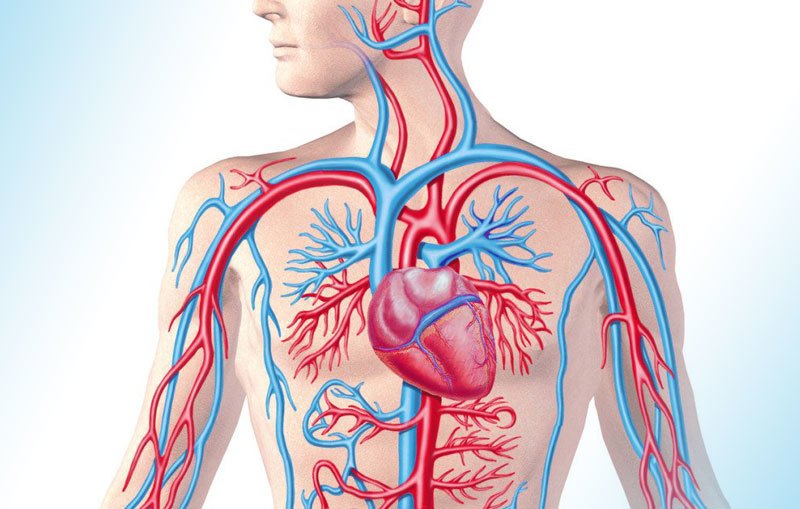
The minimum level of pressure is necessary for blood circulation throughout the body: hypertension in adults is said when the blood pressure is constantly too high.
Blood pressure is measured in two values.
- The first is the pressure during the contraction of the heart: this is systolic pressure or upper pressure (highest).
- The second - at the moment of relaxation of the heart: this diastolic pressure or bottom (smallest).
In practice, both of these pressures are measured with a tensiometer wrapped around the arm. Both blood pressure values are usually between 100 and 140 mm Hg. Art. for systolic pressure and 60 to 80 mm Hg. Art. for diastolic pressure.
For example, the voltage is 120/80 mm Hg. Art. considered normal.
Blood pressure naturally increases with age. On average, every 10 years, systolic blood pressure rises by 0.50, and diastolic pressure by 0.20. More than half of people over the age of 60, even in good health, have an increase in systolic pressure (top numbers) above 140.
Mm Hg. Art. - Millimeter of mercury.
Symptoms of arterial hypertension
Very often, hypertension does not give clinical signs and is detected during the examination of other diseases.
Sometimes the signs are manifested as follows:
- headache;
- dizziness noise in ears;
- blurred vision;
- bleeding from the nose.
Early diagnosis allows you to start treating the disease on time and avoid possible complications.
Is high blood pressure common?
Estimated in 2017, 58% of men and 37% of women suffered from hypertension, or more than 42 million people in Russia.
Many do not know about this, because arterial hypertension occurs with a small number of subtle symptoms.
Causes of arterial hypertension
In more than 95% of cases, the origin of hypertension has not been identified. Treatment then consists in relieving stress without removing the cause. In other cases, the cause is secondary to the disease: for example, a malfunction of the kidneys, adrenal glands, or thyroid gland.
However, the factors that increase arterial hypertension are known:
- too much salt intake;
- stress;
- smoking;
- obesity;
- lack of physical activity.
Arterial hypertension appears earlier in men. Women of childbearing age are relatively well preserved due to the protective effect of certain sex hormones, estrogens. During menopause in women the frequency of arterial hypertension is similar to that of men.
Overweight, obesity, and type 2 diabetes are increasingly common in people with high blood pressure. The disease is twice as common in overweight patients and one and a half times more common in obese older people than in normal weight patients.
In addition, certain drugs, supplements, or substances taken during treatment certain diseases can increase or worsen arterial hypertension or hypertension.
Here are some: estrogens, nasal sprays, non-steroidal anti-inflammatory drugs (aspirin, ibuprofen, ketoprofen, etc.), glucocorticoids (cortisone, dexamethasone, etc.), licides, alcohol, drinks.
Complications of hypertension
Untreated, hypertension causes many types of serious heart and vascular problems:
- heart failure;
- stroke;
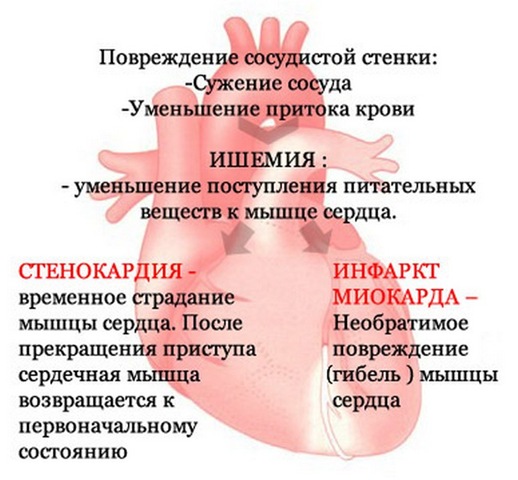
- myocardial infarction;
- intracranial hemorrhage;
- kidney damage that can cause renal failure;
- damage to the retina that leads to loss of vision.
How is hypertension diagnosed?
The diagnosis of hypertension is based on the measurement of blood pressure. Measured with a tonometer device: an inflatable cuff attached to a dial (glass screen containing mercury) that indicates voltage.
The pressure increases especially during physical exertion, therefore, ideally, the tension should be measured in patients after lying down. at least 15 minutes.
Hypertension is confirmed if the blood pressure exceeds 140 for systolic pressure or 90 for diastolic pressure after several measurements.
To be sure that this is not a temporary increase in blood pressure, for example, due to stress, the pressure must be measured during three consecutive examinations during the period from 3 to 6 monthsto confirm the diagnosis of hypertension.
This is necessary because hypertension is often asymptomatic and is done regularly during doctor visits.
When a healthy patient has a moderate increase, it is recommended to measure blood pressure outside the hospital, at home.
In the case of high blood pressure, the doctor also looks for other risk factors for cardiovascular disease, such as, for example, a family history, diabetes, obesity, smoking or high cholesterol.
Read also:Cardiomyopathy
How to measure blood pressure yourself?
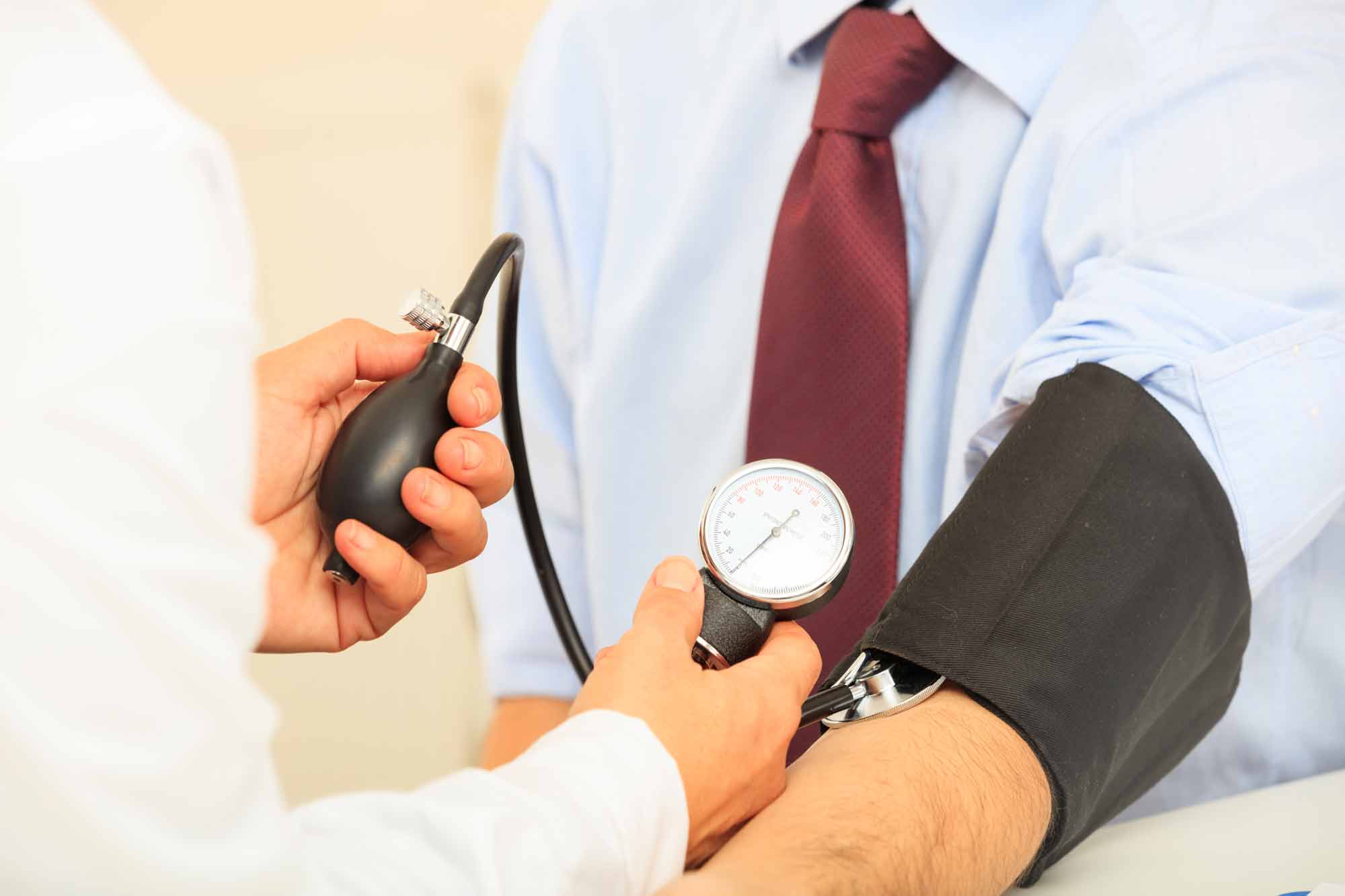
It is recommended that a doctor check your blood pressure 3-4 times a year. In the meantime, the doctor may suggest monitoring blood pressure at home using a self-monitoring, automatic blood pressure monitor.
It is estimated that by 2018, 54% of people worldwide receiving treatment for hypertension were equipped with self-measuring devices.
It is recommended to measure the pressure as follows:
- 3 measurements at intervals of 1 or 2 minutes, in the morning before breakfast;
- 3 measurements in the evening before bedtime;
- in a row for three days.
Write down the values obtained during the self-diagnosis after each time and bring them to the doctor's consultation. Typically, values obtained at home are lower than those obtained by a doctor.
How to choose a blood pressure monitor?
The blood pressure monitor meets the definition of a medical device. They belong to class IIA. It is necessary to select a tonometer in a pharmacy, where the pharmacist will have to explain the trailer for the operation of each device and advise what is right for you.
An automatic blood pressure monitor does not work in exactly the same way as the devices used by doctors.
There are two types: wrist and shoulder models. Wrist-mounted models are compact. When measuring, you must be careful to ensure that the wrist is correctly positioned in relation to the heart. They are well suited for obese people.
Shoulder models are often easier to use, but you need to choose a cuff that is tailored to your needs.
Arterial hypertension and pregnancy
Blood pressure generally drops during pregnancy. However, there is a risk of high blood pressure during pregnancy. Hypertension affects about 10% of pregnant women.
If blood pressure is not normalized, hypertension can cause placental abruption or bleeding disorders.
Women with high blood pressure before pregnancy
If you have high blood pressure and plan to become pregnant, you should inform your doctor. Caution, some antihypertensive drugs are not recommended for pregnant women.
ACE inhibitors and angiotensin II inhibitors are contraindicated in the second and third trimesters of pregnancy and should be discontinued. Diuretics are also not recommended as they can cause fetal growth retardation.
The most commonly used antihypertensive drugs during pregnancy are Methyldopa, some beta-blockers and some calcium channel blockers.
Pregnant women with high blood pressure should be treated in a maternity hospital with a specialist in the treatment of hypertension.
High blood pressure associated with pregnancy
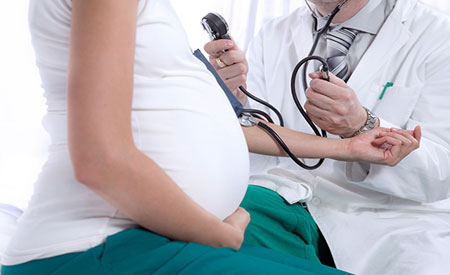
Arterial hypertension associated with pregnancy, called gestational hypertension, usually occurs after 4 months (20th week amenorrhea). This is due to abnormalities in the blood vessels of the placenta. Unlike preeclampsia, there is little or no loss of protein in the urine.
Blood pressure returns to normal after childbirth. Rest and nutrition advice can be given. Sometimes drug therapy (medication) is prescribed. Regular monitoring ensures that hypertension does not develop into preeclampsia.
Preeclampsia Is a pregnancy complication that usually occurs after the 20th week of gestation in the second or third trimester.
Arterial hypertension treatment
Hypertension therapy helps to increase life expectancy. It is based on diet and possibly medication. therapy is aimed at lowering systolic pressure below 140 and diastolic pressure below 90.
When blood pressure is effectively controlled, the risk of stroke and heart disease is reduced.
Assessment of the overall risk of cardiovascular disease
The doctor selects treatment based on the severity of the hypertension and the patient's overall risk of cardiovascular disease. To assess this risk, it takes into account certain factors:
- age: 50 years for men, 60 years for women;
- family history: sudden heart attack or death of one of the parents (up to 55 years for a man, up to 65 years for a woman) or stroke before 45 years, regardless of the parent's gender;
- smoking (or quitting smoking within the past three years);
- diabetes;
- LDL cholesterol levels above 1.60 g / L or cholesterol levels LDL below 0.40 g / l;
- abdominal obesity, kidney failure, lack of regular exercise, or excessive alcohol consumption.
This assessment is complemented by a search for organ diseases that can be damaged by high blood pressure: heart, arteries, kidneys and retina.
What are the recommended non-drug treatments?
A healthy lifestyle and proper nutrition are an integral part of the treatment of hypertension and are offered to all hypertensive patients. They include:
- regular physical activity adapted to the patient's capabilities (see below);
- weight reduction in the case of overweight or obesity in order to reduce the body mass index to 25 kg / m2 or reduce the initial weight by 10%;
- reducing alcohol consumption;
- reduced salt intake (maximum 6 g sodium chloride per day);
- a diet that promotes the consumption of fruits, vegetables, cereals, and foods low in saturated fat.
What is the role of adaptive physical activity in maintaining high blood pressure?
Adaptive physical education (abbr. ROS) is part of the non-drug treatment of hypertension. Really, regular physical activity help maintain blood pressure at a physiological level.
Many sports are adapted for people with moderately high blood pressure: for example, athletics, basketball, football, karate, swimming, tai chi chuan and qi gong, table tennis.
In the context of high blood pressure, the attending physician is now may prescribe ROSspecifying goals (blood pressure control, stress reduction, etc.) and patient-specific contraindications.
In centers offering these disciplines, educators trained are responsible for defining training rules adapted to each specific case.
Read also:Heart attack: symptoms in men, women, causes, treatment
Patients who use these adaptive sports report physical benefits (e.g. independence and endurance), as well as psychological benefits (fighting isolation, improving self-esteem).
Choice of drug treatment and follow-up
The choice of treatment also takes into account the contraindications of each patient. It is difficult to predict whether treatment will be effective for one patient as it will for another, in particular: an effective drug for one patient may not work for another. Hypertension medications work after 4-6 weeks of treatment. Sometimes, at the beginning of treatment, temporary fatigue is felt.
Because hypertension itself causes few symptoms, about a third of people on treatment do not follow all treatment recommendations, which reduces effectiveness.
Be careful, people undergoing treatment for hypertension should monitor their condition health even in the absence of symptoms: hypertension is a silent illness that can have serious consequences.
If you are unable to adhere to your prescribed treatment, do not hesitate to inform your doctor about it; he may decide to start another hypertension therapy that is better suited to your lifestyle.
To ensure the effectiveness of treatment, follow-up visits to doctors should be carried out, during which pressure will be measured. They are usually held 3-4 times a year. In addition, the patient can independently measure the pressure at home.
After 6-12 months, during which blood pressure will normalize, the doctor may decide to gradually reduce the dosage and amount of drugs.
Diet and lifestyle tips
Lifestyle and diet are vital in the fight against hypertension. They prevent its complications and facilitate drug treatment.
Regular physical activity, smoking cessation and certain food choices are important.
Reduce your salt intake: sodium and blood pressure
Sodium (salt) contributes to the development of hypertension to varying degrees, depending on the sensitivity of each person. People who are obese or type 2 diabetes and the elderly are more sensitive to the negative effects of eating too much salt.
In Finland, there were half the cases of hypertension, when the average salt intake was reduced by one third thanks to regulatory measures such as partial replacement of sodium chloride with potassium chloride.
In Russia, the average salt intake is 8 to 10 g per day, which is much higher than the recommended 5 g. 10-20% of people consume more than 12 grams of salt per day, which is two and a half times the recommended amount!
People with heart failure it is often necessary to follow a very low salt diet (4 to 6 g per day or even less than 4 g per day).
The salt we use is usually one third provided by bread (on average, 5 to 6 g of salt), delicacies, cheese, table salt, as well as boiled dishes.
- Beware of industrial cooked foods and canned foodswhich are often too salty.
- Learn to read labels and go hunting for low sodium (salt) foods. Definition: 400 mg (0.4 g) sodium corresponds to 1 g of salt.
- Season your meals once per plate or while cooking. To add flavor, use aromatic herbs, spices, lemon juice, for example.
Eat more balanced meals
- Eat more fresh fruits and vegetables. Fruits and vegetables are rich in potassium, which counteracts the harmful effects of sodium. Eat bananas, dried fruits, grapes.
- Limit your intake of animal fats.
- Eat semi-fat dairy products. They are rich in calcium, magnesium and potassium, which reduce the effects of sodium.
- Drink at least one and a half liters of water every day.. Beware of sodium-rich mineral waters (over 200 mg / l).
- Limit your caffeine intake. Avoid drinking more than three glasses of caffeinated beverages a day, such as coffee, cola, cocoa, or tea, as caffeine can increase blood pressure.
- Reduce your alcohol intake. Alcoholic drinks increase blood pressure and affect the effectiveness of hypertension treatment. In addition, alcohol is high in calories.
Physical activity
Constant physical activity helps lower blood pressure and helps control stress.
Optimal fitness training is a three-time endurance exercise lasting about 45 minutes (active walking, cycling, swimming, etc.).
Excessive dyspnea, heart palpitations, or unusual pain (especially in the chest) should definitely lead to a cessation of exercise and warrant a visit to a doctor.
To give up smoking
Smoking raises blood pressure and damages blood vessels. If you have high blood pressure, it is imperative to quit smoking, even if it takes multiple attempts. Your best smoking cessation ally is your doctor.
Reduced stress levels
It is enough to sleep, do a hobby, sports or relaxation (yoga, tai chi, meditation, sophrology, etc.). Take time to relax and enjoy life.
Medicines for arterial hypertension
If lifestyle changes and nutrition are insufficient to lower blood pressure, medications are used.

Several groups of drugs can be used.
5 classes of antihypertensive drugs are preferred: diuretics, beta blockers, calcium channel blockers, ACE inhibitors, and angiotensin II receptor antagonists. These drugs have proven to be effective in preventing cardiovascular disease in people with high blood pressure.
Diuretics (diuretics) for the treatment of hypertension
Diuretics are the oldest and most well-established drugs. They have proven to be effective in the long term.
Diuretic drugs help to remove water and salt from the kidneys and reduce the volume of fluid flowing through the arteries, thereby reducing pressure on their walls.
Read also:Heart diseases
Diuretics may be the only treatment for patients without problems other than hypertension. They generally have few side effects.
Diuretics increase the volume of urine, especially at the beginning of treatment. However, some of these drugs cause a decrease in blood potassium levels, which requires testing.
Hydrochlorothiazide Is a diuretic that is often used in combination with antihypertensive drugs. It can cause increased skin sensitivity to the sun (photosensitivity) and skin reactions (burns) when exposed to even low levels of ultraviolet radiation.
Hydrochlorothiazide also increases the risk of certain types of skin cancer: it is not melanomas, but localized cancers that develop very slowly and therefore pose little threat.
In order to avoid serious complications, a skin examination is necessary during the prescription of a new prescription.
Other diuretics are also sometimes combined with another family drugs for high blood pressure.
Diuretics:
- Aldactone;
- Spironolactone;
- Indapamide.
Loop diuretics:
- Furosemide.
Diuretics in combination:
- Isobar.
Beta blockers in the treatment of hypertension
These medicines act on the heart and blood vessels. Beta blockers are proven drugs that have proven to be effective over time.
Because beta blockers are also effective in preventing cardiovascular disease, they are usually prescribed for hypertensive patients who have already suffered myocardial infarctionhave angina or tachycardia of the heart.
The most common side effects from beta blocker use are digestive upset, feeling tired, cold feet and hands, slow heart rate, trouble sleeping, and erectile disfunction.
Beta blockers:
- Betaxolol;
- Bisoprolol;
- Propranolol;
- Nebivolol;
- Celiprolol.
Calcium channel blockers in the treatment of hypertension
These drugs slow down the flow of calcium into the muscles responsible for the contraction of the arteries. They lower blood pressure by weakening the arteries. They are also used to treat angina pectoris.
- Amlodipine;
- Nifedipine;
- Lercanidipine;
- Nitrendipine;
- Verapamil.
ACE inhibitors (angiotensin-converting enzyme inhibitors, ACE inhibitors) in the treatment of hypertension
ACE inhibitors are antihypertensive agents, blocking the production of angiotensin II - a hormone produced by the kidneys from protein in the blood.
Angiotensin II plays an important role in regulating blood pressure, increasing it and causing heart fatigue. ACE inhibitors have proven to be effective in many studies and are especially indicated in patients with hypertensive heart failure, diabetes or renal failure.
Formally they contraindicated in pregnant women from the 4th month of pregnancyas it can cause serious adverse reactions in the unborn baby.
If you are planning a pregnancy or early pregnancy, contact your doctor as soon as possible. It will be necessary to change the approach to treatment. However, do not stop taking medication without a doctor's recommendation.
ACE inhibitors can cause cough and, less often, angioedema. If you experience a dry cough during treatment, you should inform your doctor.
Angiotensin-converting enzyme inhibitors:
- Captopril;
- Perindopril;
- Hinapril;
- Enalapril;
- Lisinopril;
- Quinapril.
Angiotensin II receptor antagonists in the treatment of hypertension
As their name suggests, angiotensin II receptor antagonists (candesartan, irbesartan, losartan, telmisartan, valsartan ...) block the action of angiotensin IIby binding to its receptors on the surface of blood vessels. They prevent blood vessels from constricting and fight high blood pressure.
These drugs are newer than diuretics and beta-blockers and have less long-term efficacy. They have few side effects, but should be used with caution in people with kidney failure.
Like ACE inhibitors, they contraindicated in pregnant women from the 4th month of pregnancy, as they can cause serious adverse reactions in an unborn baby. If you are planning to become pregnant, check with your doctor to consider making changes to your therapy.
In July 2013, the French Medicines Agency published information on the occurrence of serious intestinal disorders (enteropathies) with the use of some drugs from the group only olmesartan or in combination with amlodipine.
These disorders can occur several months or even years after starting treatment. In the case of chronic diarrhea or weight loss, it is recommended to seek qualified advice. Despite lowering blood pressure, studies have not shown it to be effective in reducing cardiovascular complications and mortality.
Angiotensin II receptor antagonists:
- Candesartan-NW;
- Eprosartan;
- Amlodipine;
- Teveten;
- Irbesartan;
- Valsartan;
- Olmesartan.
Combinations of antihypertensive drugs
There are medications that combine two antihypertensive drugs. Indeed, in some cases, taking a single antihypertensive drug does not effectively control blood pressure, especially when it needs to be done quickly.
A doctor may also prescribe two low-dose antihypertensive drugs at the same time to limit side effects.
Antihypertensive drugs that are used in combination have an additional mode of action that allows an additive effect on the reduction of arterial pressure: beta-blockers, ACE inhibitors and angiotensin II receptor antagonists can be combined with diuretics or calcium blockers channels.
Combinations of antihypertensive drugs
-
Angiotensin II receptor antagonist + diuretic:
- Ibertan Plus;
- Coaprovel.
-
Angiotensin II receptor antagonist + calcium channel blockers:
- Lozap;
- Aprovask;
- Co-Exforge;
- Lortenza.
-
Beta blocker + diuretic:
- Bisangil;
- Aritel Plus;
- Biprol plus.
-
Beta blocker + calcium antagonist:
- Exforge;
- Vamloset.
-
Diuretic and reserpine:
- Adelfan-Ezidrex.
-
Angiotensin-converting enzyme inhibitors + diuretic:
- Ko-Perineva;
- Consilar-D24;
- Enap-NL.
-
Angiotensin-converting enzyme inhibitors + calcium channel blockers:
- Enanorm;
- Egipres;
- Dalneva;
- Ko-Dalneva;
- Equator.
-
Diuretics + calcium channel blockers:
- ARIFAM.
Other classes of antihypertensive drugs
Methyldopa is an a centrally acting antihypertensive agent. This antihypertensive drug has traditionally been used in cases of hypertension in pregnant women. May cause fatigue and depression.
There are other groups of drugs such as alpha blockers or others vasodilators (minoxidil, for example).