Vasovagal syncope: what is it, causes, symptoms, treatment
Content
- Introduction
- What is vasovagal syncope?
- Causes and triggers of vasovagal syncope
- Symptoms and Signs
- Prodromal symptoms
- Features of fainting
- Postdromal symptoms
- Recurrent syncope
- When to see a doctor?
- Risk factors
- Diagnostics
- Treatment of vasovagal syncope
- Medications
- Physical exercise
- The use of pacemakers
- Conclusion
Introduction
Fainting - also known as syncope Is the medical term for temporary loss of consciousness. Any episode of fainting is important for at least two reasons. Firstly, fainting can lead to injury, so it is important to try to prevent it from recurring. AND Secondly, fainting can sometimes be a sign of a serious medical problem. Although there are different types of syncope and the causes that lead to it, the most common type of syncope is vasovagal syncope.
What is vasovagal syncope?
Vasovagal syncope (also called neurocardiogenic syncope) is a temporary loss of consciousness caused by neurological a reflex that causes either a sudden dilation of blood vessels in the legs or a very slow heart rate abbreviations (bradycardia), or both.
Vasovagal syncope accounts for more than half of all syncope. While doctors often refer to this as “simple syncope,” the mechanism of vasovagal syncope is actually not so simple. And a misunderstanding of how vasovagal syncope works can lead to problems in making the correct diagnosis or in choosing an adequate treatment.
Causes and triggers of vasovagal syncope
Vasovagal syncope occurs when something provokes a vasovagal reflex, causing the blood vessels to suddenly expand. The widening of the blood vessels causes a significant portion of the blood volume to accumulate in the legs.
This union is often accompanied by a slowdown in the heart rate. As a result, blood pressure suddenly drops. If the pressure drop is enough to deprive the brain of oxygen, fainting occurs.
In most people with vasovagal syncope, vasodilation is the predominant factor in causing loss of consciousness. However, for some people, slowing down the heart rate plays an important role.
Common triggers for vasovagal syncope include:
- sudden, severe pain;
- donating blood;
- traumatic event;
- extremely difficult urination or defecation;
- an attack of a prolonged and severe cough;
- hyperventilation of the lungs;
- immobility for a long time (for example, if you sit for a long time);
- overwork in hot weather;
- excessive use of alcohol or substances (such as pills).
If an episode of fainting follows any of these events, it is almost certainly the vasovagal type of syncope that occurs.
Symptoms and Signs

Although loss of consciousness with vasovagal syncope can be quite sudden, it is more characteristic that it is preceded by a few seconds or a few minutes of warning symptoms. These symptoms are sometimes referred to as "prodrome»(Harbinger) of fainting. Those that occur after you woke up after losing consciousness are called "postdromal».
Prodromal symptoms
Prodromal symptoms of syncope often include:
- dizziness;
- buzzing or tinnitus;
- visual disturbances like flickering or tunnel vision;
- sudden sweating;
- sudden nausea.
These prodromal symptoms are accompanied by a feeling of "weakness" and then, finally, loss of consciousness. The time between the onset of prodromal symptoms and actual fainting can be a few minutes or one or two seconds.
If you feel like you are fainting, you can interrupt the episode by lying with your legs raised or sitting in a chair with your head between your knees. Wait until you feel better before trying to get up.
Features of fainting
Fainting itself also has several characteristic features:
- Vasovagal syncope almost always occurs when the victim is standing or sitting upright position (when blood can accumulate in the legs), and almost never occurs in lying position.
- People who have experienced vasovagal syncope usually recover within seconds after falling to the ground. This is because once on the ground, gravity no longer causes blood to accumulate in the legs, and blood pressure improves almost instantly.
- On the other hand, if the victim is held upright by a benevolent bystander, unconsciousness can become very long-lasting. This is a potentially dangerous situation because while the victim is upright and unconscious, the brain is not sufficiently perfused with blood.
If you see someone who is weak, lay them on their back and raise their legs about 12 inches above the heart. Loosen any belt, collar, or tight fitting clothing. Seek help if the condition lasts longer than a few seconds.
Postdromal symptoms
After an episode of vasovagal syncope, many people feel terrible for a few hours or even for the next few days or longer. During this "postdromal" period, people usually experience extreme fatigue, nausea, dizziness and loss of appetite.
Read also:Heart attack: symptoms in men, women, causes, treatment
It is especially important to note that until these lingering (and very annoying) symptoms go away, people are particularly prone to syncope, so they need to be especially alert to warning signs that may indicate an imminent fainting.
Recurrent syncope

People who have had one or two episodes of vasovagal syncope are often able to recognize warning symptoms ahead of time so they know when the event is about to occur. More importantly, if they recognize the warning symptoms, they can prevent blackouts by simply lying down and raising their legs just above the heart.
Older adults with vasovagal syncope are more likely to have “atypical” symptoms. Their fainting may occur without any identifiable trigger and without any warning signs. Making the correct diagnosis in these cases can be a real challenge for doctors.
In general, vasovagal syncope is not life-threatening by itself, but injury from falls is possible. And if episodes are frequent enough, this condition can certainly be very destructive to normal life.
When to see a doctor?
A single episode of fainting is usually not serious. However, you should see your doctor if you are pregnant, have recurrent episodes of syncope, or blurred vision, chest painconfusion, trouble speaking dyspnea or an irregular heartbeat before fainting.
Risk factors
The reflex causing vasovagal syncope can occur to some extent in everyone, so almost everyone can experience a vasovagal episode if a sufficiently strong triggering event occurs. Indeed, it is likely that most people will have a fainting episode someday throughout their lives.
Vasovagal syncope can occur at any age, but it is much more common in adolescents and young adults than in older adults.
Read also:Hypertensive crisis: what is it, causes, symptoms, first aid and treatment
Some people are especially prone to vasovagal episodes and may pass out even with relatively mild triggers. These people tend to have intermittent fainting since adolescence. They often faint after several different types of triggers.
In rare cases, in humans, vasovagal syncope is so frequent and so difficult to treat that the person becomes virtually disabled. These people often have a form of dysautonomy (an imbalance in the autonomic nervous system) that makes them very prone to the vasovagal reflex that causes this condition.
They often have other symptoms typical of dysautonomia, such as bloating or cramping, diarrhea, constipation, extreme fatigue, and various pains.
Diagnostics
Doctors who know how to correctly diagnose vasovagal syncope understand that this condition is almost always situational. Vasovagal syncope is especially likely after a viral illness, after exercise, after warm shower or early in the morning - in other words, at any time, relative dehydration.
Given these characteristics and the situational nature of this condition, clinicians should be able to deliver correct diagnosis simply by looking at symptoms, medical history, family history and the sequence of events leading to fainting.
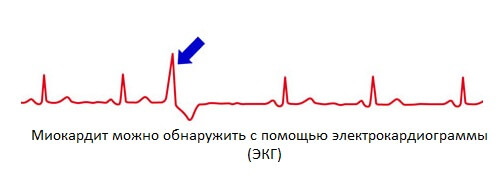
Physical examination of people with vasovagal syncope is usually completely normal. However, examination (such as an ECG) is very helpful in diagnosing similar conditions of orthostatic hypotension or postural orthostatic syndrome. tachycardia (SPOT) and can be very helpful in selecting plausible options.
Treatment of vasovagal syncope

People who have had a single episode of vasovagal syncope do not need any medical therapy at all.
But if there were recurring episodes, there will likely be more episodes if the person is not treated. And, as anyone with vasovagal syncope knows, these episodes of fainting often occur at the most inconvenient or impractical times and can be life-threatening. Fortunately, treatment is usually quite helpful.
There are several main types of therapy for vasovagal syncope: medication, exercise, and the use of a pacemaker.
Medications
In some people, vasovagal syncope occurs with an alarming frequency, even with appropriate precautions. For these people, drug therapy is often beneficial.
In the past, the drugs most commonly used for vasovagal syncope were beta-blockers, but some studies have not shown any benefit, and these drugs are currently not are recommended.
Read also:Causes of leg swelling in women, men, what to do and how to treat swelling in the legs
Drugs that have been shown to have some effectiveness include:
- Midodrine, a vasoconstrictor drug that dilates blood vessels
- Disopyramide, an antiarrhythmic drug;
- Serotonin reuptake inhibitors;
- Theophylline, commonly used for treatment asthma.
While one or more of these drugs can often help reduce syncope, finding the “right” drug combination is usually a trial and error process. Patience is required on both the physician and patient side to find the best therapy.
Physical exercise
Many people with dysautonomia also have a tendency to vasovagal syncope; indeed, it seems likely that many people with newly-onset vasovagal syncope may indeed have dysautonomy. Since some dysautonomies respond favorably to exercise, exercise is likely to have similar benefits for people with vasovagal syncope.
If you have a recurrence of fainting, be sure to check with your doctor before starting to exercise. Depending on the underlying cause, stress testing and other tests may be required to determine how much exercise you can tolerate.
Interestingly, some people were able to interrupt episodes of vasovagal syncope by doing muscle tension exercises. These exercises appear to decrease the dilation of the blood vessels and increase the amount of blood returned to the heart. Examples of exercises include:
- Cross your legs, and at the same time strain your legs, stomach and buttocks.
- Strain your hands with clenched fists.
- Tighten your leg muscles.
- Squeeze the rubber ball.
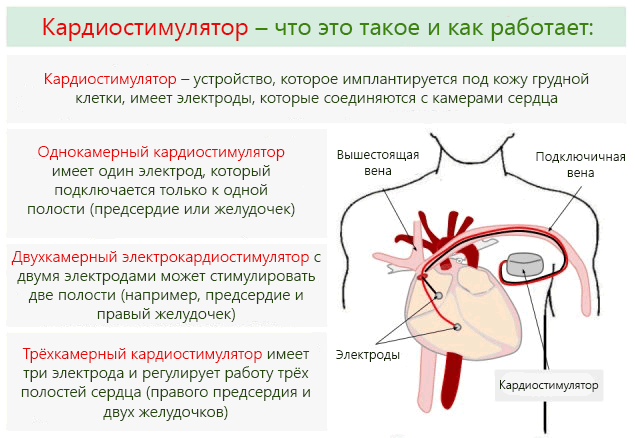
The use of pacemakers
Several years ago there was a lot of enthusiasm for using pacemakers to treat vasovagal syncope, as the condition is usually accompanied by a sudden drop in heart rate reductions. However, enthusiasm for pacemaker therapy quickly diminished after it was finally noted that many patients with vasovagal fainting, which they put on pacemakers, continued to lose consciousness - it just happened without changing the heart rhythm.
As it turns out, it is the accumulation of blood in the legs, and not the slow heartbeat, that causes fainting in most people. However, in some cases, a decrease in heart rate may be the underlying cause.
A pacemaker should only be considered if syncope is severe or recurrent and conservative the measures did not give results, and there is a significant slowdown in the work of the heart, as evidenced by the study of the ECG.
Conclusion
Vasovagal syncope is a very common condition. Fortunately, this usually happens in rare, isolated episodes, or for a limited period of time. Most people with vasovagal syncope lead perfectly normal lives.
If you have had vasovagal syncope, especially more than one episode, you should learn as much as possible about it. condition, including what triggers it, how to recognize warning symptoms, and how stop.