Endothelial dysfunction: what is it, causes, treatment, prevention
Content
- Introduction
- Endothelial function
- Causes of endothelial dysfunction
- Disorders and disorders associated with endothelial dysfunction
- Diagnostics
- Endothelial dysfunction treatment
- Conclusion
Introduction
If you have recently read about cardiovascular disease or recently talked to your doctor about prevention or treatment of cardiovascular diseases, you may have come across the term "endothelial dysfunction". The concept of endothelial dysfunction has become important in recent years for our understanding of many cardiovascular diseases, including ischemic heart disease (Ischemic heart disease), arterial hypertension, microvascular angina (cardiac syndrome X), diastolic dysfunction and others.
Endothelial dysfunction Is a condition in which the endothelial layer (inner lining) of small arteries cannot perform all of its important functions normally. As a result, several unpleasant processes can happen to the tissues supplied by these arteries.
Endothelial function
In the body's arterioles (small arteries that precisely regulate blood flow to tissues), endothelial layer (or endothelium) is the inner lining of cells that performs several critical functions.
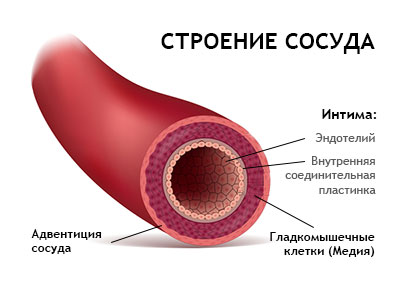
The endothelium maintains the correct dilation and contraction of the blood vessels. This feature instantly detects how much blood is flowing into the various tissues of the body. Endothelial "tone" (balance between dilatation and constriction) also largely determines a person's blood pressure and how much work the heart has to do to pump blood into organism.
In addition, the endothelium also protects tissues from various toxic substances; regulates the mechanism of blood coagulation; controls fluid, electrolytes and numerous other substances that pass between blood and tissues; and regulates tissue inflammation.
All this means that the proper functioning of the endothelium is critical for the normal functioning of the tissues and organs of the body.
When the endothelial layer does not perform all these functions adequately - in other words, in the presence of endothelial dysfunction - the condition will favor the development of atherosclerosis, hypertension (arterial hypertension) and other cardiovascular diseases.
Read also:Impaired venous outflow of the brain
Causes of endothelial dysfunction
Because the endothelium is so important for many vital functions, much research is being done to understand all the causes of endothelial dysfunction. At this point, it is clear that endothelial dysfunction is associated with decreased levels of nitric oxide (NO) in blood vessel walls.
Nitric oxides are a gas that is produced by the metabolism of an amino acid (L-arginine). Nitric oxides, which have a very short half-life, act locally in blood vessels to help modulate vascular tone and other important endothelial functions.
Deficiency of NO production leads to excessive narrowing of blood vessels (which can cause hypertension), promotes platelet activation (leads to blood clotting), increases the stimulation of inflammation in the walls of blood vessels (which contributes to atherosclerosis) and increases the permeability of the vessel walls to damage lipoproteins and various toxins.
Summing up, we can say that endothelial dysfunction is characterized by a decrease in the level of oxide nitrogen (NO) in the vessels, which, in turn, leads to several violations of the function of blood vessels. These functional disorders contribute to the development of cardiovascular pathologies.
In addition, endothelial dysfunction can directly cause abnormal narrowing of small arteries, and it is believed to be the main contributor to cardiac syndrome X and possibly diastolic dysfunction.
Disorders and disorders associated with endothelial dysfunction

The exact reasons why humans develop endothelial dysfunction are still being studied. However, it is clear that numerous medical disorders, habits and inevitable life events contribute to this, including:
- high blood pressure (arterial hypertension);
- diabetes;
- elevated levels of LDL cholesterol and triglycerides;
- smoking;
- passive lifestyle;
- emotional stress (thought to be stressful cardiomyopathy, also known as "broken heart syndrome" or Takotsubo cardiomyopathy, occurs as a result of acute and severe endothelial dysfunction);
- infectious diseases;
- heart failure;
- hypothyroidism;
- osteoporosis;
- natural aging;
- chemotherapy and radiation therapy;
- genetic influences.
Read also:Sinus tachycardia of the heart: causes, symptoms, treatment
Diagnostics
A formal diagnosis of endothelial dysfunction is usually unnecessary. Some degree of endothelial dysfunction can be diagnosed with confidence in anyone with ischemic heart disease, hypertension, or major risk factors for cardiovascular disease (especially those listed higher).
Thus, examining a patient's endothelial function is not something that doctors usually do. But if endothelial dysfunction is suspected in a person with no clear cause (for example, a person suspected of having cardiac syndrome X), the diagnosis can be confirmed. various diagnostic tests that measure the ability of blood vessels to dilate (during catheterization or using ultrasound) in response to injection acetylcholine.
Endothelial dysfunction treatment
Endothelial function can be improved through measures to reduce the risk of cardiovascular disease, including weight loss, exercise, smoking cessation, control of hypertension and diabetes, which we all usually urge are recommended.
Several of these risk control measures have been shown to be well established for reducing endothelial dysfunction. These include:
- the use of statins (pharmaceutical drugs aimed at combating high levels of cholesterol in human blood);
- Mediterranean diet;
- other foods, including nuts, olive oil, dark chocolate, green tea, herbal products;
- aerobic exercise;
- weight loss;
- the use of ACE inhibitors (a group of natural and synthetic chemical compounds used for the therapy and prevention of cardiac and renal failure, to lower blood pressure).
In addition, several drugs are currently being studied specifically for the clinical improvement of endothelial dysfunction. Promising agents include nifedipine, estrogen, runolazine, aspirin, L-argenine, and sildenafil.
Conclusion
In recent years, medical research has established that endothelial dysfunction is an important contributor to many types of cardiovascular disorders. While active research is underway to find ways to improve the treatment of endothelial function and, therefore, to reduce the risk of cardiovascular disease, there is already much we can do ourselves to address this Problems. In particular, you should pay great attention to exercise, quit smoking, and work with doctors if you have a medical condition such as hypertension or diabetes.