
Diabetic retinopathy: what it is, symptoms, treatment
Retinopathy Is a disease that affects the retina of the eyes. The retina is the nerve layer that lines the back of the eyes. It is a kind of "camera" that takes pictures of what the eye sees and sends those images to the brain for processing.
It happens that many people with diabetes can develop retinopathy and severe vision problems. Therefore, when the pathology is provoked by diabetes, it is called diabetic retinopathy.
We will discuss what diabetic retinopathy is, its symptoms, causes, and tell you about the most common and effective treatments for this disease.
Content
- What is Diabetic Retinopathy?
- Causes
- Symptoms
- Risk factors
- Complications
- Diagnostics
- Treatment
- Laser therapy
- Surgery
- Medicines
- Forecast and prevention
What is Diabetic Retinopathy?
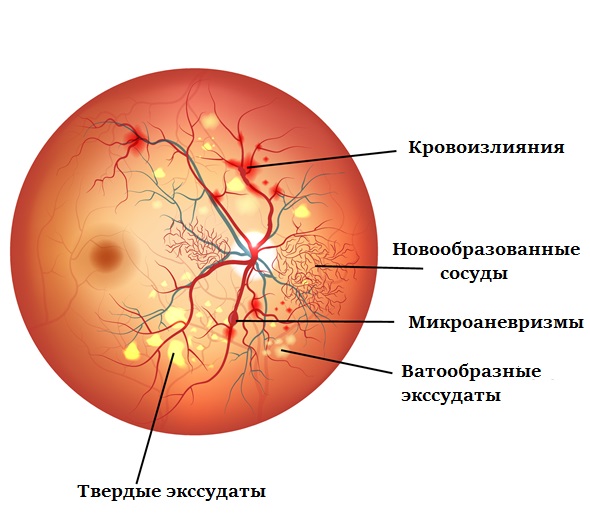
As mentioned, diabetic retinopathy is a kind of complication of diabetes that, if left untreated, can cause problems with the retina, vision, and even blindness. In most cases, this condition worsens over the years.
At first, the blood vessels in the eyes become weaker and can lead to leakage of blood and other fluids into the retina. It is called
nonproliferative retinopathywhich is currently the most common type. If this fluid seeps into the center of your eye, your vision may be blurry. Most people with nonproliferative retinopathy have no symptoms.If diabetes is not controlled, i.e. if blood sugar levels remain high, diabetic retinopathy continues to worsen. New and more sensitive blood vessels grow in the retina and, because they are weak, can easily rupture even during sleep. After a rupture, blood can seep into the center of the eye and damage vision.
In addition, this potential bleeding can lead to scar tissue that can stretch the retina and push it away from the wall of the eye, which is called retinal detachment. This disease is known as proliferative diabetic retinopathy. With proliferative retinopathy, symptoms do not appear at the onset of the problem, and as a result, it may be too late to treat when the disease is detected. For this reason, it is important to follow the progress of all research.
Retinopathy can also cause swelling macula eye, which is the area in the center of the retina responsible for clear and detailed vision. Thus, if it swells, vision deteriorates and may even cause blindness.
To summarize more technically, we have two types of diabetic retinoparia:
1. Proliferative diabetic retinopathy.
This is the most serious type of retinopathy. In this case, the damaged blood vessels close, causing the growth (proliferation) of new abnormal vessels in retina, which can seep into the vitreous humor, containing a clear gelatinous substance that fills center of the eye. This abnormal growth stimulates the formation of scar tissue, which can cause retinal detachment.
Read also:Glaucoma symptoms and treatment
In addition, if these new vessels interfere with the normal drainage of fluid from the eye, an increase in pressure in the eyeball can occur. This damages the optic nerve that carries images to the brain, resulting in glaucoma.
2. Non-proliferative diabetic retinopathy.
Occurs when blood and fluid leaks into the retina, which can cause blurred vision if the leak touches the center of the eye. In this most common form of retinopathy, new blood vessels do not grow or multiply. Therefore, in this case, the walls of the blood vessels of the retina weaken and small processes (microaneurysms) protrude from them, which sometimes lead to the ingress of fluid and blood into the retina. In addition, retinal nerve fibers can swell, including the macula, which is the central part of the retina, causing macular edema.
Causes
As the name suggests, diabetic retinopathy is a complication of diabetes. Thus, people who do not have diabetes will never suffer from this problem.
Therefore, if you have diabetes and cannot control your blood sugar levels within an acceptable range, it can damage your blood vessels, especially when high blood sugar damages the blood vessels in the retina, which are very small and sensitive.
Over time, too much blood sugar can block the tiny blood vessels that feed the retina, thus cutting off blood supply to the area. As a result, the eye will try to create new blood vessels, however, due to the problem, new vessels will not be able to function adequately and will leak, flooding the retina.
Symptoms
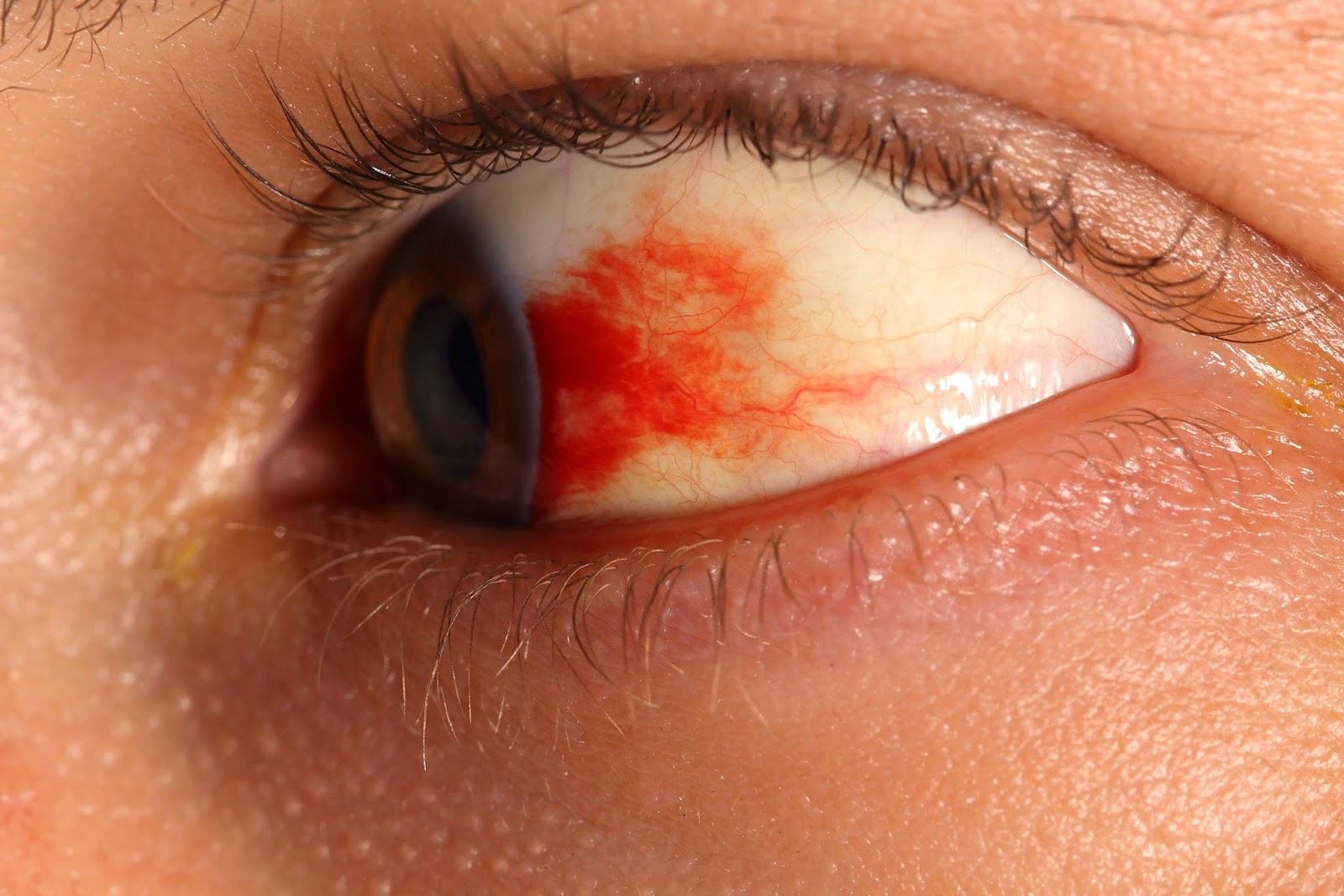
Unfortunately, in most cases, diabetic retinopathy is asymptomatic. In some cases, mild signs of vision problems may be seen in the early stages of the disease, but symptoms are usually noticed only when vision changes depending on the condition, and when they are noticeable, diabetic retinopathy is already quite serious.
Typically, diabetic retinopathy affects both eyes at the same time. Changes found in the eyes due to retinopathy include:
- Pain in the eyes;
- persistent redness of the eyes;
- increased pressure in the eyes;
- blurry, double, distorted vision;
- the formation of shadows or the appearance of dark areas partially or completely in the field of view;
- partial or complete loss of vision;
- Difficulty distinguishing colors
- floating flies before the eyes.
Since these symptoms occur when retinopathy is already in serious stages, it is best if you are diabetic to have regular ophthalmologic examinations so that signs of diabetic retinopathy can be detected before it begins to destroy blood vessels. This way, you will have time to avoid serious damage to your eyesight by following appropriate treatment.
Read also:Barley on the eye, what is it, causes, symptoms and how to treat
Risk factors
Anyone with diabetes can develop diabetic retinopathy. However, the risk of developing this condition may increase depending on the following risk factors:
- Duration of diabetes: the longer you have diabetes, the higher your risk of developing retinopathy.
- Poor diabetes control: improper treatment or poor blood sugar control can increase the likelihood of developing the disease.
- High blood pressure: High blood pressure can further damage the already weakened vessels around the eyes, resulting in increased leakage of blood and fluid around the eyes and impaired vision.
- High cholesterol: it can interfere with circulation by affecting the blood vessels around the retina.
- Pregnancy: many pregnant women are prone to developing gestational diabetesso they are at risk and need to be aware of their blood glucose levels.
- Tobacco: smoking can also impair blood circulation, increasing your risk of developing the disease if you are already diabetic.
Complications
The main complications of diabetic retinopathy are vitreous hemorrhage, retinal detachment, glaucoma and blindness.
- Vitreous hemorrhage.
When blood enters the center of the eye, you may see some dark spots floating in the field of view. In more severe cases, blood can fill the entire vitreous cavity and completely block vision. Hemorrhage usually does not lead to permanent blindness. Vision only deteriorates when blood is in the area or if the retina is severely damaged.
- Retinal detachment.
When a retinal detachment occurs due to the growth of scar tissue, floating spots may appear in the field of view. In addition, there are flashes of light or severe loss of vision.
- Glaucoma.
As mentioned above, the normal flow of fluid from the eye can be affected by diabetic retinopathy, causing increased pressure in the eye, resulting in glaucoma. The pressure can damage the optic nerve that carries images from the eye to the brain, causing severe visual damage and even partial or permanent blindness.
- Blindness.
In more severe cases, diabetic retinopathy can lead to complete and irreversible loss of vision.
Diagnostics
The only way to detect diabetic retinopathy is with an eye exam done by an ophthalmologist. Again, you may not notice the symptoms until the illness becomes serious.
Read also:Pterygium
Treatment
Treatments for diabetic retinopathy include medications that can help delay vision loss caused by retinopathy, as well as surgery and laser therapy.
Treatment is indicated for diabetic retinopathy:
- when the center or macula of the retina is affected;
- caused by the appearance of new abnormal blood vessels;
- peripheral or lateral vision is severely damaged.
Laser therapy
Laser therapy, also called photocoagulation, is very effective in preventing loss of vision and can even reverse vision loss in some cases if done before the retina is severe get damaged.
Surgery
Surgical removal of the vitreous gel, a procedure called a vitrectomy, can also help improve vision if the retina has not been severely damaged. It is usually done when there is vitreous hemorrhage or retinal detachment due to the formation of heavy scar tissue.
Medicines
In some cases anti-VEGF drug injections (containing vascular endothelial growth factor) or taking an anti-inflammatory drug can help reduce the number of new blood vessels that develop with the disease. Typically, macular lesions are treated with anti-VEGF drugs such as Lucentis®.
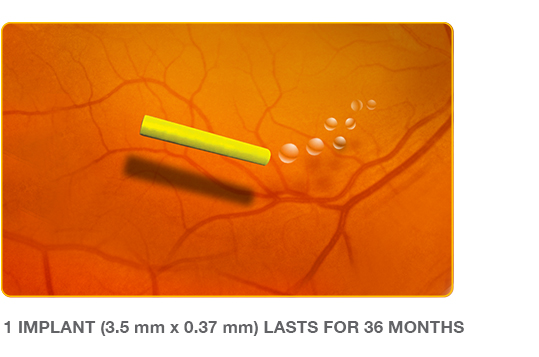
You can also use injectable steroids directly to the eye or place an implant like Iluvien (a small tube inserted into the eyeball), which can release small amounts of corticosteroids over time to mitigate damage to the retina.
Forecast and prevention
Diabetic retinopathy cannot be cured because the damage already inflicted cannot be completely repaired. But you can take the steps indicated by your doctor and treat appropriately to avoid and delay future vision loss. When diagnosing a disease from the outset, it is easier to avoid more serious damage, so it is important to have regular eye exams.
You can prevent the development of diabetic retinopathy by controlling your blood glucose and blood pressure within the range recommended by your doctor. With this kind of care, the chances of damage to the retina are drastically reduced. In addition, bad habits such as smoking must be eliminated.
This caution can also be exercised if you find that you already have a medical condition, and then you can slow the rate of progression of the disease and prevent a more serious danger to eye.
In general, treatment for diabetic retinopathy is very effective in preventing, delaying or reducing vision loss, but it will not completely cure the disease. Since there is no cure, constant monitoring by an ophthalmologist is necessary to check for any changes in the eyes. If necessary, the treatment can be repeated.