Redness of the eye: causes and treatment in adults and children, photo
Content
- Introduction
- Causes of red eyes
- What are the causes of conjunctivitis?
- How can conjunctivitis be prevented?
- What are the possible complications of eye redness?
- Diagnosis of redness of the eye
- What to do if you have an eye injury?
- Treating eye redness (conjunctivitis)
- How is allergic conjunctivitis treated?
- How is Bacterial Conjunctivitis Treated?
- Topical antibiotic treatment
- Other procedures
- How to properly instill eye drops for a child
- Preparation
- How to instill drops?
- Ophthalmic ointments
Introduction
Although the eye is protected for centuries, it is nevertheless a fragile organ prone to infections, allergies and other eye diseases.
The eye can be an area of inflammation that can cause redness, tearing, or pus. In all cases, medical advice is required.
Causes of red eyes
Redness of the eye is a symptom that occurs in many eye conditions, from the mildest to the most severe.
Redness is usually associated with dilated blood vessels in the conjunctiva, the thin membrane that covers the front of the eye. This state is called conjunctivitis.
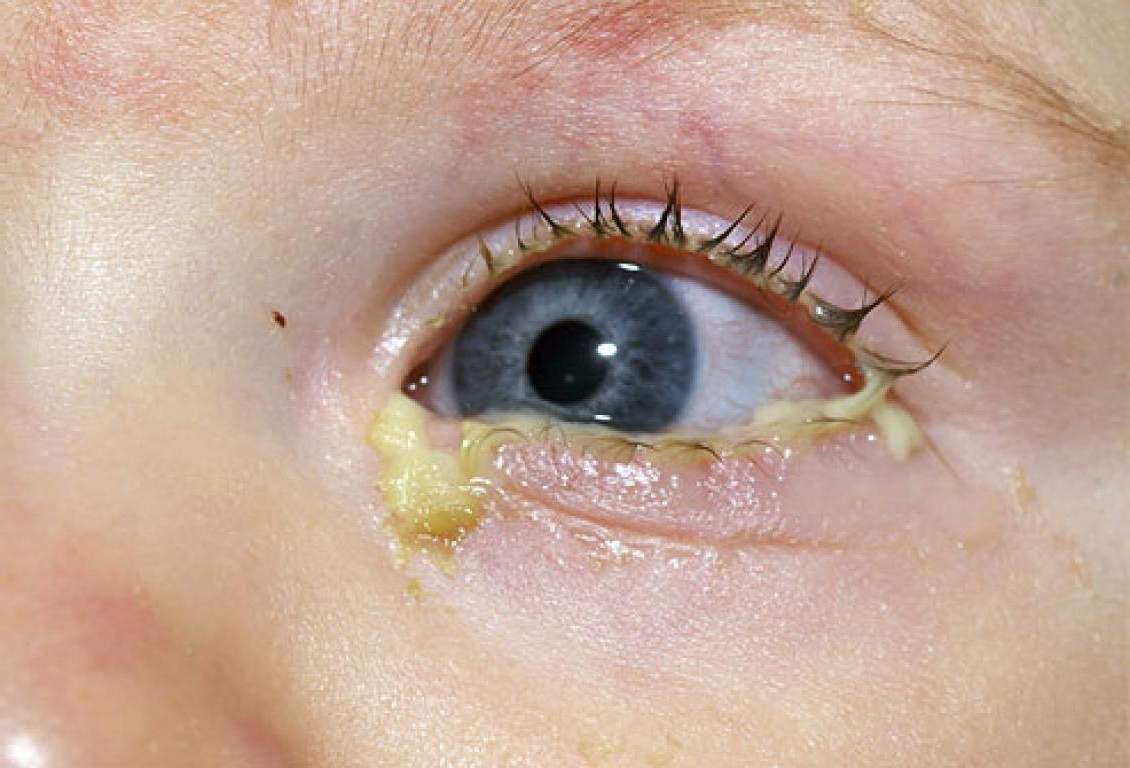
Conjunctivitis is characterized by redness, which may be associated with tingling, itching, swelling of the eyelids, pain, discharge of tears or yellowish pus, which may temporarily stick together the eyelids upon waking or cause cloudiness in eyes (keratitis), reducing vision.
The eye may also turn bright red due to localized, more or less deep hemorrhage. In this case, the color is most often more pronounced.
Keratitis.
Keratitis - This is an inflammation of the eye, at the level of the cornea, the membrane located under the conjunctivitis and just in front of the iris and pupil. This leads to the appearance of redness of the eyes, painful with blurred vision and intolerance to light (photophobia).
Its origin can be very variable: trauma, allergy, viral infection (herpes, shingles…) Or bacterial. Treatment depends on the cause identified by the doctor at the time of diagnosis. In the case of herpetic keratitis, prophylactic treatment is often prescribed to avoid frequent relapses.
What are the causes of conjunctivitis?
Conjunctivitis can be caused by viruses, bacteria, pollen or dust, as well as excessive exposure to wind, sun, or smoke.
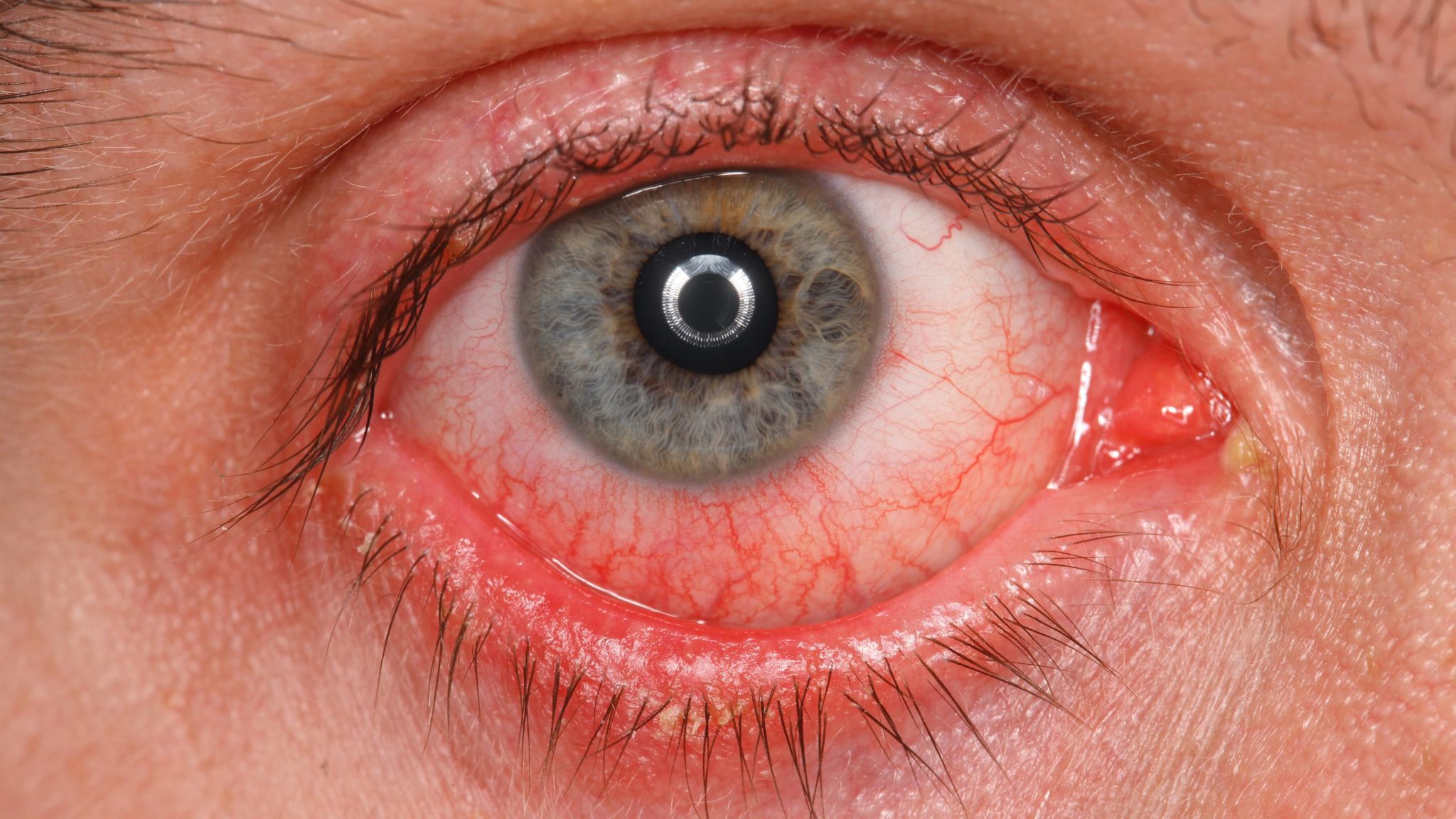
Allergic conjunctivitis, manifested by redness, burning, watery eyes and other allergic signs such as allergic rhinitis or sneezing (see Photo).
Viral conjunctivitis can be caused with rhinopharyngitis, colds or other viral diseases. Contagious, it can be transmitted through contact between the eyes, touching, swimming in the pool, where irritations can also develop due to chlorinated water disinfection products.
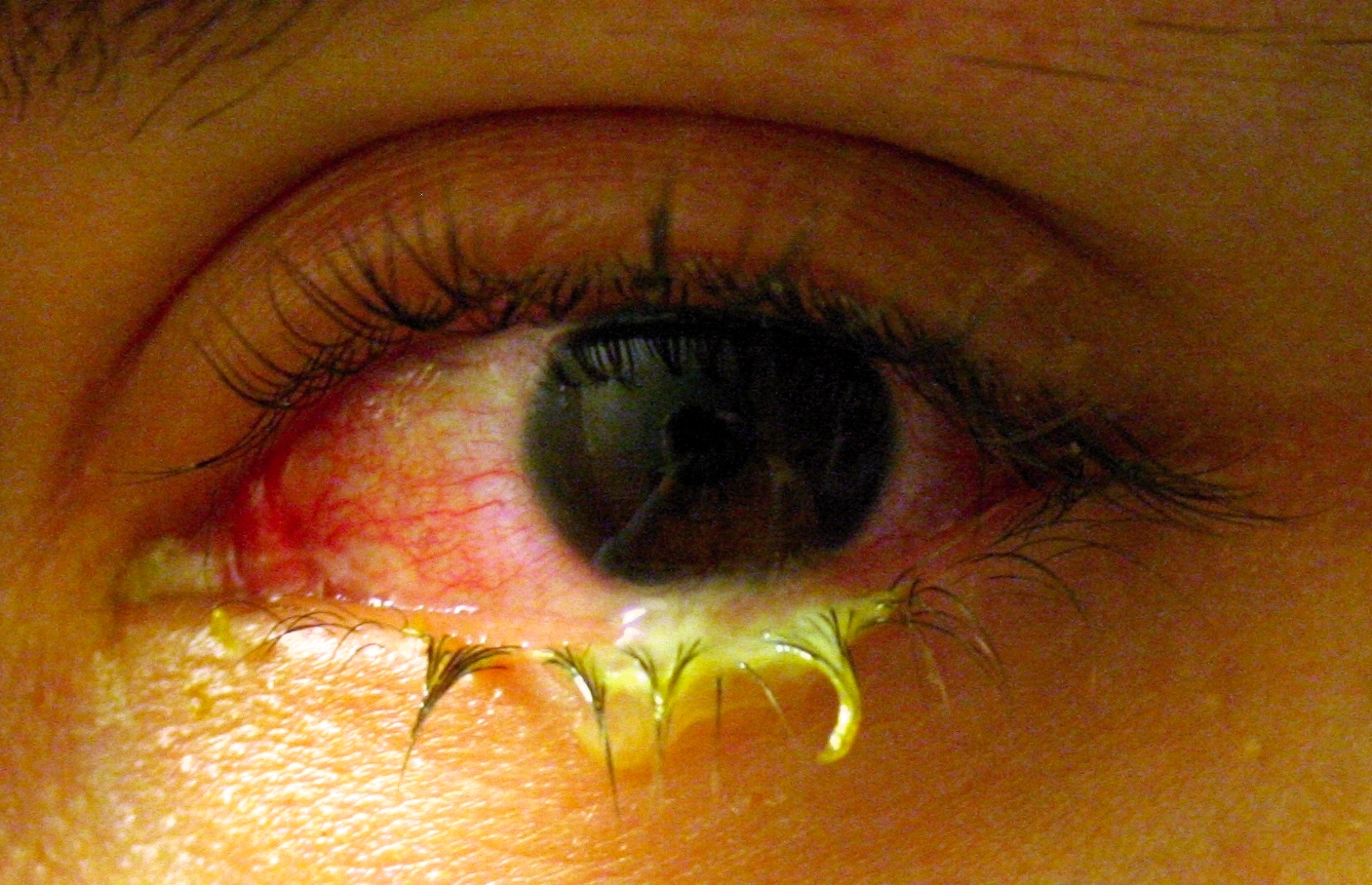
Bacterial conjunctivitis can be caused by many bacteria. It is characterized, in addition to redness and itching, by purulent discharge, which can temporarily stick together the eyelids, adhering to the eyelashes. In the morning, a sick person wakes up with sticky eyes (see. Photo).
Finally, persistent red eyes, associated with eye fatigue, sometimes with headaches, may be due to visual impairment or simple dry eyes. In all cases, a doctor's diagnosis is required.
Read also:Photophobia (photophobia)
In addition, some medical conditions, whether or not limited to the eyes, can cause redness, pain, or loss of vision. Only a doctor can determine the cause of your troubles.
| Flying flies and flashes of lightning |
|---|
| Various senses can make you feel like flies or flashes of lightning are moving quickly in front of your eyes, especially around your eyes, even when they are closed. Some of the disorders that cause these symptoms are as follows:
Except in cases of ophthalmic migraine (migraine eye) that has already been diagnosed. |
How can conjunctivitis be prevented?
- Infectious conjunctivitis can be highly contagious. Wash your hands thoroughly before eye contact, especially if you have viral or bacterial conjunctivitis.
- Wear sunglasses. They protect not only from UV rays, but also from wind and dust.
- In the pool, protect your eyes with a mask or swimming goggles.
- Strictly follow the rules of hygiene when handling contact lenses.
What are the possible complications of eye redness?
Redness of the eye caused by climatic influences such as wind or sun, and allergic conjunctivitisusually does not cause complications. On the other hand, infectious conjunctivitis, whether of bacterial or viral origin, must be treated quickly to avoid visual impairment.
Lacrimal canal obstruction.
In newborns, the canal that removes tears in the nose (lacrimal canal) causes persistent lacrimation. This problem usually resolves spontaneously before the age of two months. If it does not clear up on its own, the ophthalmologist can perform a small procedure to clean the canal.
Diagnosis of redness of the eye
To identify the causes of red eyes, the doctor asks the patient about his history of eye and non-ocular diseases, about the circumstances of the onset of the disorders, about the associated symptoms.
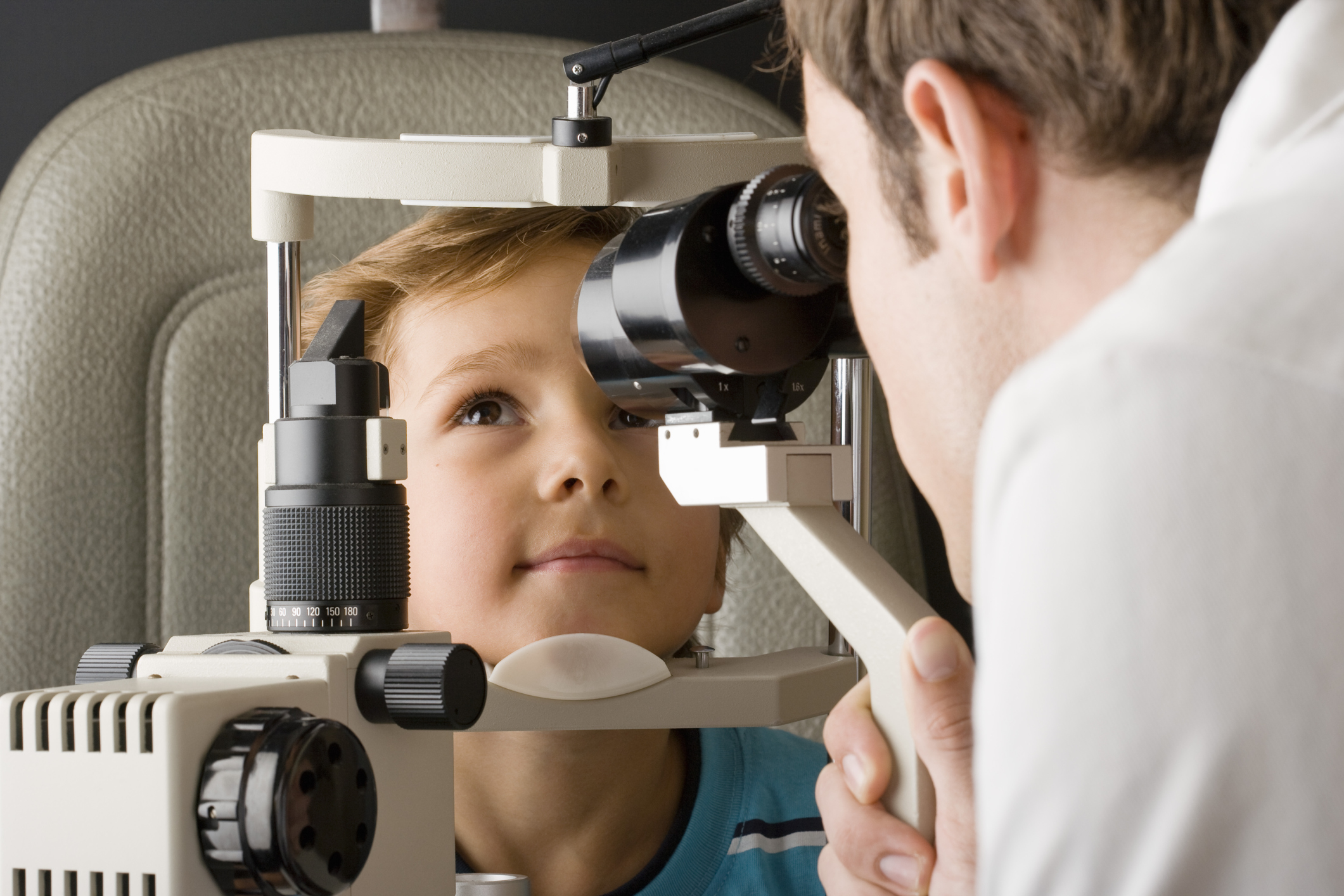
He can examine the eyes with special equipment (ophthalmoscope, slit lamp) and, if necessary, carry out diagnostic examinations using various eye drops.
Sometimes it will be necessary to take pus for analysis to determine the most suitable antibiotic.
If the eyelid is affected, in case of sticking, the doctor prescribes an antibiotic ointment.
What to do if you have an eye injury?
Any injury to the eye, however small, can have serious consequences and should be examined. In case of doubt, the search for a foreign body (sand, dust, etc.) should be systematic.
Likewise, a bruised eye should not be ignored if the pain persists because it can leave consequences; this requires careful study.
- If a foreign body is visible, you can remove it using a corner of the folded tissue. If you can't see it, try to gently cover your lower eyelid with your upper eyelid. The lashes can catch a foreign body hidden under the upper eyelid. Look at the tip of your nose for a few minutes with your other eye closed.
- During serious eye injury (such as a stone, tennis ball, or other), protect the affected eye with a cold compress. To restrict the movement of your eyeballs, keep your eyes closed until you get to the nearest hospital.
- If chemical splashes in your eyes, rinse your eyes as quickly as possible under tap water for five to ten minutes and go to the hospital as soon as possible.
- Any paresis, wound or burn near the eye requires urgent medical attention.
Treating eye redness (conjunctivitis)
Only relapses of eye diseases already diagnosed and well known, such as allergic conjunctivitis, can be considered in the context of self-medication. Otherwise, therapy should be carried out only after consultation and diagnosis of an ophthalmologist.
Always check the maximum expiration date after opening the preparations.
Contact lenses should not be worn until the organ of the visual system has fully recovered.
How is allergic conjunctivitis treated?
In case of allergic conjunctivitis antiallergic eye drops help relieve eye symptoms such as watery eyes, tingling, and redness of the eyes. If there are other signs, such as tingling in the nose, nasal congestion, or sneezing, an oral anti-allergic antihistamine may help.
Antiallergic eye drops:
- Dexamethasone;
- Maxitrol;
- Sofradex;
- Opatanol;
- Azelastine;
- Allergodil.
How is Bacterial Conjunctivitis Treated?
Purulent discharge, with red eyes, is convincing evidence of bacterial conjunctivitis.
In the absence of signs of severity treatment for redness of the eyes is based on regular flushing of the eyes with saline or eye wash solution.
It is recommended to choose the most neutral solutions, without preservatives and fillers that can cause allergies. For hygiene and infection prevention purposes, block capsules are preferable to vials, which should be discarded after a few days of use.
Additionally, you can use antiseptic eye drops.
Antiseptic eye drops:
- Okomistin;
- Ophthalmo-septonex;
- Miramistin;
- Avitar.
Eye wash solutions:
- Boric acid;
- Miramistin solution;
- Chlorhexidine solution.
If there are signs of severity or a specific risk factor your doctor may prescribe topical antibiotic treatment in addition to previous measures.
If the symptoms persist or worsen within a few days, you should consult an ophthalmologist.
Topical antibiotic treatment
-
Fusidic acid:
- Futsitalmik;
- Fucidin.
-
Aminoglycosides:
- Tobrex 2X;
- Tobrex.
-
Cyclins:
- Aureomycin.
-
Macrolides:
- Azithromycin.
-
Quinolones:
- Flucinar ointment 0.025%;
- Flucinar gel 0.025%.
-
Rifamycin:
- Rifogal;
- Otofa.
Other procedures
Corticosteroid eye drops in the base can also be prescribed in cases of severe inflammation of the conjunctiva (example: severe allergic conjunctivitis). They should never be used without a purpose.as it can worsen some eye infections and cause serious visual impairment.
Anti-inflammatory eye drops:
- Thiotriazoline.
Also used to treat redness of the eyes decongestant eye dropscontaining a vasoconstrictor. Although available over the counter, ophthalmologists advise against using them as self-medication. They should only be used strictly after consultation and diagnosis.
Decongestants eye drops:
- Histimet;
- Kromoglin.
In the case of non-infectious eye irritation, eye drops containing homeopathic medicines, herbal extracts, or astringents may be suggested by a doctor.
How to properly instill eye drops for a child
Of all the medicines, eye drops are most often given to children. The eyes are very sensitive organs and some of the drops cause a slight burning sensation for several minutes.
Let's figure out how to properly prepare and carry out the procedure.
Preparation
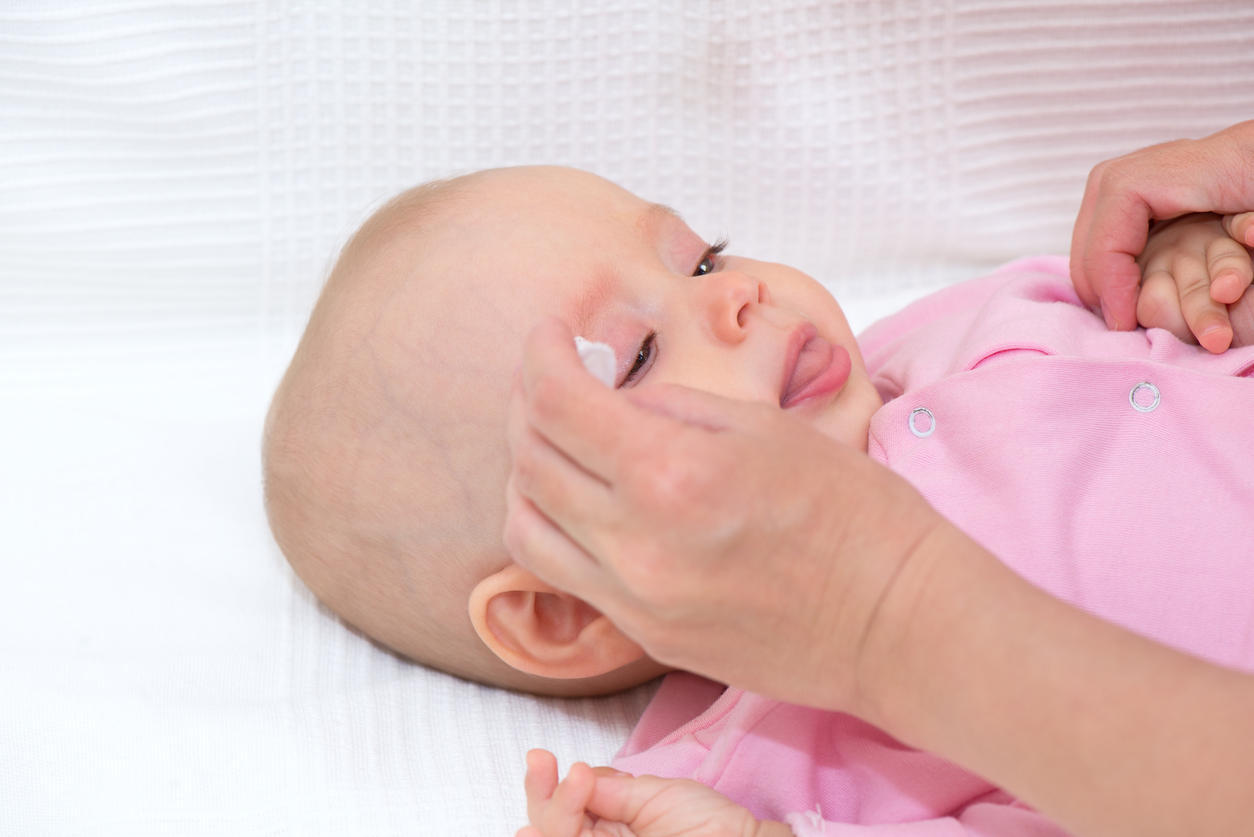
Wash your hands. Shake the bottle for a few seconds. Place your baby on the floor with a small pillow over your shoulders. Stand behind him and place his head between his knees. His head should be slightly raised so that he can see his legs.
If necessary, clean your eyelids and lashes with a cotton swab and warm water. Take your time, reassure the child: tears dilute the drops and prevent them from being properly absorbed.
How to instill drops?
With the thumb of the hand not holding the bottle, lower the eyelid until a small pocket forms. Such a technique, as a rule, is possible even in children who have reflexively shortened their eyelids. Place a drop of liquid in this pocket without touching the eye itself.
Release the eyelid and tell the child to move their eyes, looking from right to left, up and down.
Next, press on the wing of the nose from the side corresponding to the treated eye: blocking the channel through which the tear flows into the nasal passages, thus the drug will remain in the eye longer. Repeat in the other eye.
If you need more than one type of drop, always wait 5 minutes between the two.
For children who are sound asleep, it is sometimes possible to instill drops during sleep when the child is lying on their back. In this case, also drip every five minutes.
After seven years, children can learn to bury the drops on their own, before washing their hands thoroughly. In this case, put the medicine in the refrigerator: the child will feel the cold drop falling into the pocket formed in his lower eyelid, and will remember this pleasant cool sensation.
Ophthalmic ointments
Some eye preparations are available in the form of a liquid ointment, cream. They follow the same principles as drops. Once the lower eyelid is extended and a pocket has formed, apply about one centimeter of the ointment to the area, then the eye must be closed for a few minutes.