Photophobia of the eyes (photophobia): the reasons for which diseases it occurs
People who are sensitive to light and have some symptoms such as headache and eye pain when exposed to very light or bright environments may have photophobia (photophobia).
Contrary to what some people think, photophobia is not a disease, but rather a symptom of other health problems, such as infection or inflammation, that can irritate the eyes. In addition to explaining what photophobia is, below we look at the causes and treatments available to alleviate this symptom.
Content
- What is photophobia?
- How does photophobia arise?
- What kind of light causes photophobia?
- Symptoms
- Risk factors
- Causes
- Treatment
- How to live well with photophobia
What is photophobia?
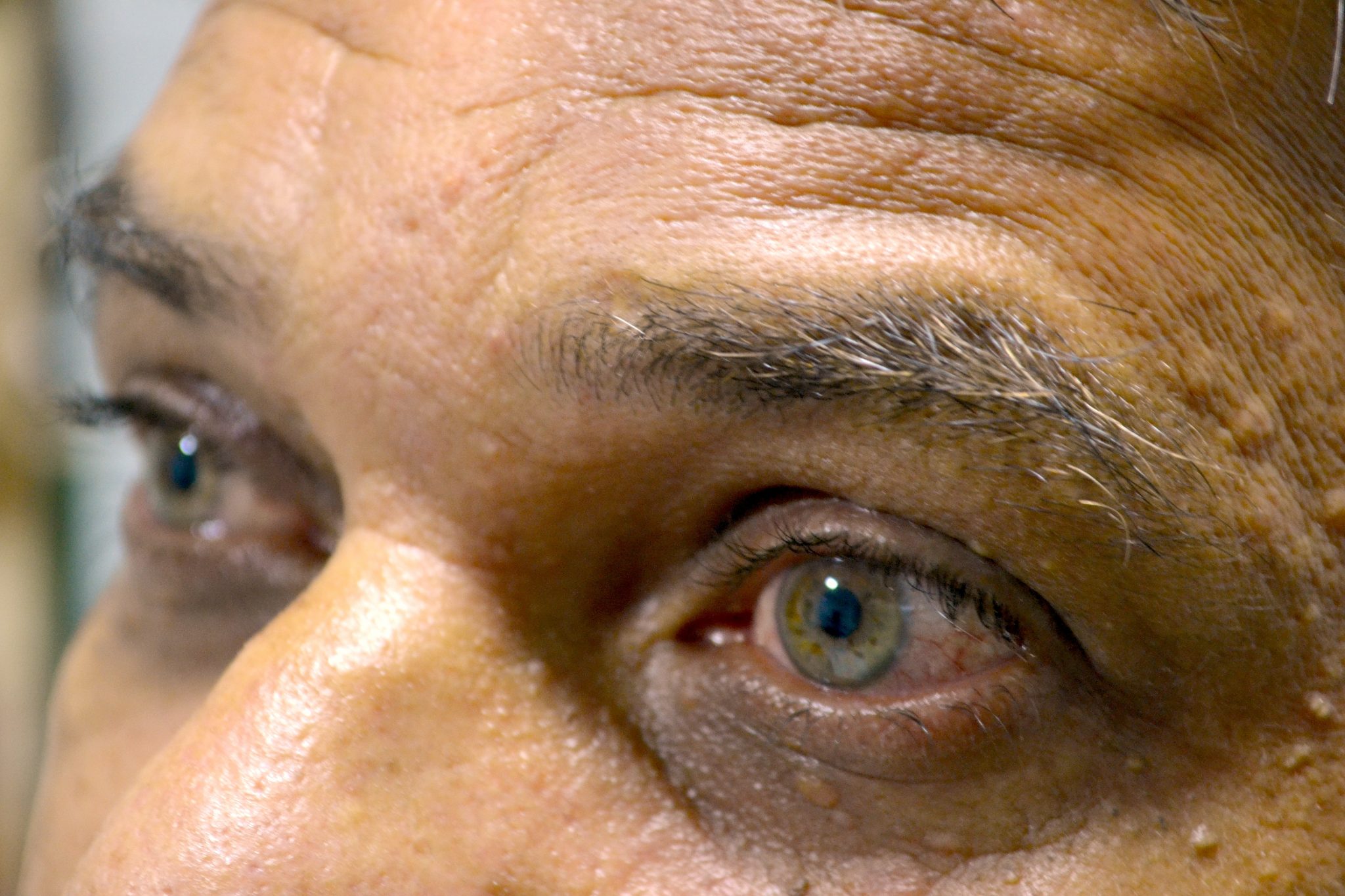
Photophobia (or photophobia) Is a medical term used to describe the sensitivity of the eyes to light that some people experience. The literal meaning of the word photophobia is "fear of light", because "phobia"Refers to a fear of something, and"Photo»Is associated with light. However, this is not exactly what it means. Being photophobic does not mean being afraid of light, but having a very high sensitivity to light, which can cause discomfort, pain, and other symptoms in a person.
This condition can be chronic or temporary and can cause various consequences for both the adult and the child suffering from such high sensitivity to light.
It's not just sunlight that worries people with photophobia. Other light sources, such as fluorescent or incandescent lamps, can also cause discomfort. In general, stronger and brighter light is what worries you most, but some people may feel extremely uncomfortable even in dim light.
How does photophobia arise?
Light is important so that we can see what surrounds us, especially at night, since our eyes are not adapted to see in unlit places.
For us to see, light must be reflected off objects and captured by the eye. The light that enters the retina goes through several processes until it reaches the brain, where the image we see is formed.
Photophobia can manifest itself at any age and even appear with age. There are times when the quantity or quality of light can affect our ability to see. Imagine that you are driving at night in a traffic jam and passing by a car with the high beam on in the opposite direction. Quite an unpleasant situation, isn't it?
For a moment, our vision fades and we cannot see well due to the very strong light. This more or less explains what happens with photophobia: the brightness of the light affects the ability to see clearly.
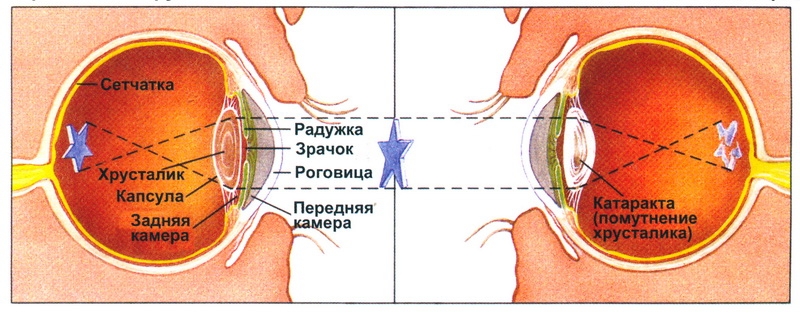
Another type of problem occurs when we age and eye problems occur. For example, when a person has cataract, the lens of the eye becomes cloudy, allowing light to pass through it suddenly. This causes light to scatter and therefore becomes more difficult to see if the light in the room is very intense.
There is still no definitive explanation of how photophobia occurs, but it is believed that the problem is related with internal light-sensitive retinal ganglion cells, which contain melanopsin in their composition. These cells detect light and create a sensation of brightness and can make the eye more sensitive, including causing pain.
What kind of light causes photophobia?
Light from the sun, fluorescent lamps, or computer and mobile screens can aggravate the symptoms of photophobia.
In people working in offices, studies have found that fluorescent lights double the frequency of symptoms such as headaches and migraine attacks. Exposure to the sun for 5-10 minutes can cause severe pain in people with sensitivity to light. In addition, patients diagnosed withconcussion»Reported problems when looking at LED bulbs and LCD screens of computers or mobile devices.
Read also:Hyperopic astigmatism
Artificial light sources of mobile devices, computers and televisions are the main reasons for the development of photophobia of the eyes in humans. However, in a person who already has light sensitivity, any light source can exacerbate the problem.
Thus, people with photophobia have less tolerance for any type of light. In addition, high visual contrast, such as when light blinks or flickers, makes it difficult to perception, and striped patterns cause more migraines and problems in people suffering from photosensitive epilepsy. On the other hand, fluorescent lights seem to be the main cause of headaches, migraine attacks, eye fatigue, and seizures.
Color and wavelength also affect vision. Blue light used in screens for electronic devices, fluorescent lamps, and other artificial sources light appears to be most harmful to people with photophobia, as it increases the risk of migraine attacks and severe headaches. pain.
Symptoms
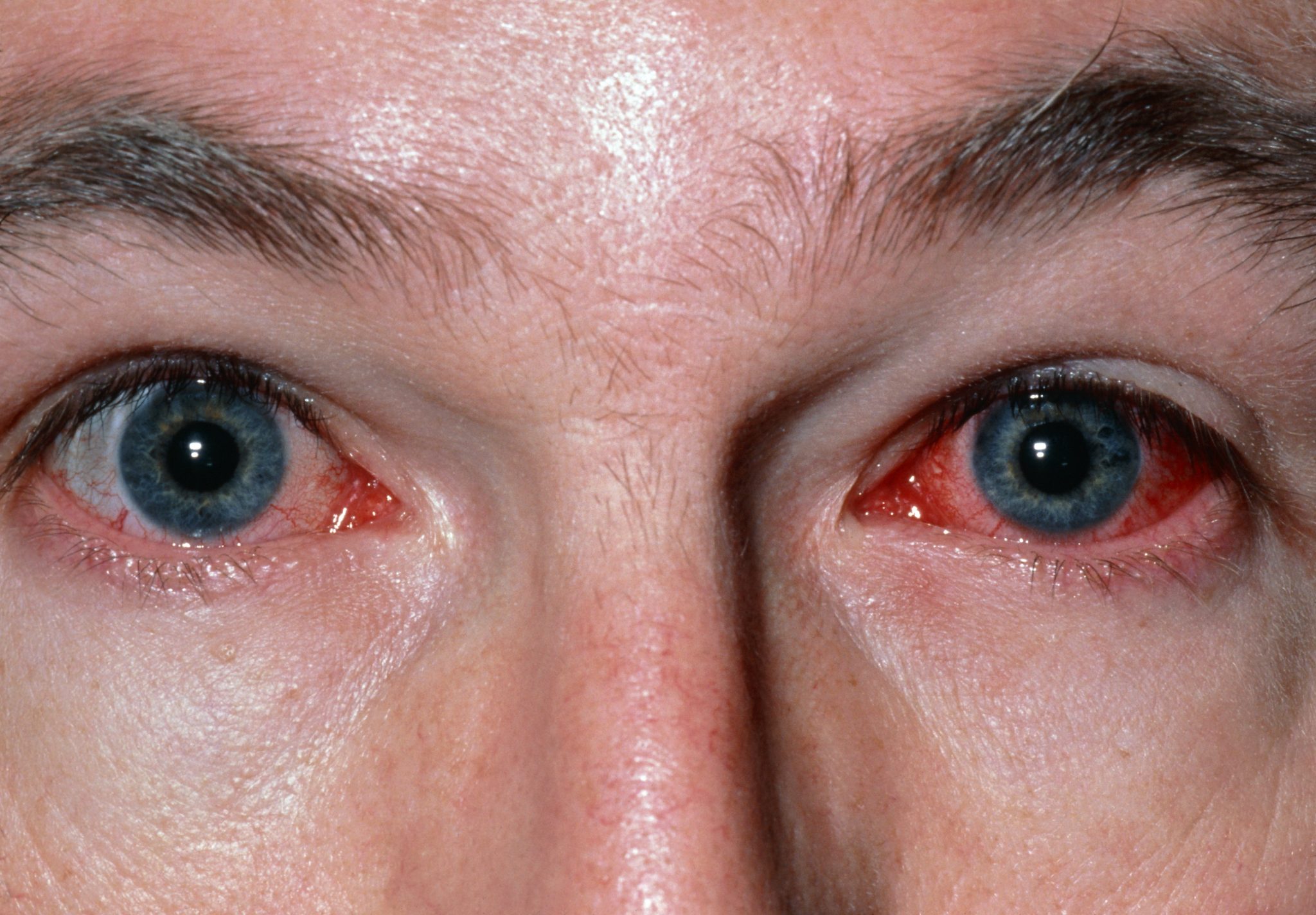
While not a disease, there are other signs that occur at the same time and usually help identify photophobia. This is:
- headache or migraine;
- dry eyes;
- pain in the eyes when exposed to sunlight or a lit environment;
- swelling inside the eye;
- tired eyes;
- strabismus;
- high sensitivity of the eyes to fluorescent lamps;
- dizziness;
- flashes, blinking in the eyes;
- inflammation.
More recent research also suggests that exposure to light in already sensitive individuals can cause additional symptoms, which include:
- shortness of breath;
- nausea;
- tightness in the chest;
- dizziness.
There is evidence that people with photophobia are at greater risk of suffering from negative emotions such as fear, anger, anxiety, and depression. Some of the emotional symptoms you may experience include:
- change of mood;
- irritability;
- a feeling of despair;
- signs of depression;
- aggressive behavior.
Risk factors
Anyone who already has sensitive eyes for any reason may be more susceptible to photophobia. Some of these factors are:
- Eye color.
People with lighter eyes are at greater risk of photophobia, as fewer pigments scatter light rays less efficiently, making the eyes more sensitive to light.
- Visual impairment.
People with severe vision problems and even blind people may experience some photophobia.
In addition, people with photophobia have a higher risk of developing conjunctivitis, iritis (inflammation of the iris of the eye), albinism (a condition in which a person has slight pigmentation) and general color deficiency, a condition in which only a few shades are visible gray.
Finally, there are also people who were already born with this problem and are sensitive to light from infancy.
Causes
Photophobia is not considered a disease, but is a symptom of other health problems, such as infections or inflammations that affect the eyes. The best way to deal with photophobia is to visit an ophthalmologist periodically and treat its causes.
In fact, photophobia is a neurological problem that involves the communication system between the eye and the brain, not just the eye. The part of the eye that sends a light sensitivity signal to the brain is different from the part that transmits vision, and therefore some people, even if they are blind, may suffer from photophobia.
Read also:Nystagmus: what is it, causes, signs, diagnosis, treatment and prognosis
Diseases that affect the brain and can cause photophobia as one of the symptoms include:
- Encephalitis. Encephalitis occurs when the brain becomes inflamed due to an infection, which can be viral or bacterial. If not treated quickly, the disease can be fatal.
- Meningitis.Meningitis Is an infectious disease caused by bacteria that causes inflammation of the membranes surrounding the spinal cord and brain. The disease can also cause serious complications such as hearing loss, brain damage, seizures, and even death.
- Subarachnoid hemorrhage. Subarachnoid hemorrhage occurs when bleeding occurs between the brain and the surrounding tissue. This bleeding can cause brain damage, stroke or death.
Severe brain injuries, pituitary tumors, and supranuclear palsy can also cause photophobia.
Photophobia is also very common due to the following conditions that affect eye health:
- Abrasions on the cornea of the eye. Abrasions and scratches on the cornea of the eye - This is damage to the cornea, the outermost layer of the eye. This type of injury occurs when small particles such as dirt, sand, or other substances enter the eyes. This accumulation of intrusive particles can cause a very serious problem - corneal ulcers.
- Sclerit. Scleritis is characterized by inflammation of the white part of the eye. This problem mainly affects adults between the ages of 30 and 50, especially women. In most cases, scleritis is caused by pre-existing autoimmune diseasesand also causes symptoms such as eye pain, photophobia, watery eyes, and blurred vision.
- Conjunctivitis. Conjunctivitis occurs when the layer of tissue covering the white part of the eye is infected or inflamed. This infection is most commonly caused by viruses, but it can also be caused by bacteria or allergies. In addition to photophobia, conjunctivitis can cause itching, pain, and redness of the eyes.
- Dry eye syndrome. This condition is characterized by the presence of tear duct problems that cannot produce enough tears to lubricate the eyes, or that produce poor quality tears. This leads to the fact that the eyes remain extremely dry.
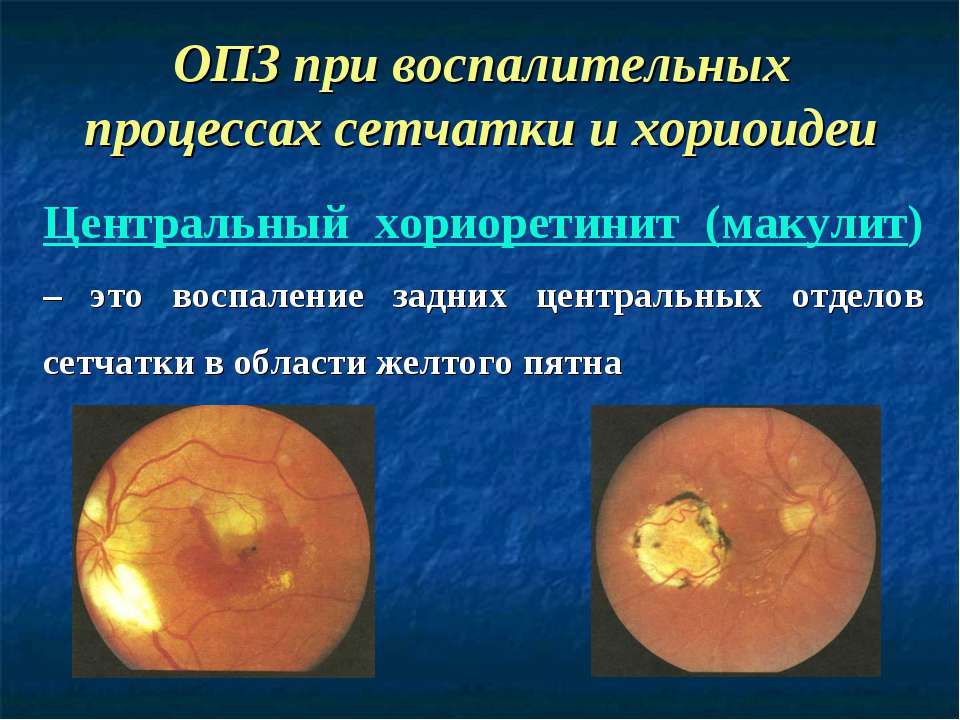
Other health conditions such as iritis, cataracts, macular degeneration, keratitis, uveitis, and blepharospasm, may also present photophobia as one of its symptoms.
- Migraine. Light sensitivity is a common symptom of migraines. About 80% of people with migraines are sensitive to light. Migraines can be caused by many factors such as hormonal changes, diet, stress, and even environmental changes. When migraine headaches cause severe headaches, symptoms such as throbbing in the head, photophobia, nausea and vomiting are observed.
- Mental health problems. Some people with mental health problems such as agoraphobia, depression, bipolar disorder, anxiety, and panic attacks, photophobia can also be observed.
- Operation. There is evidence that some eye surgery can also make the patient more sensitive to light than before.
- Medications. Some types of drugs present photophobia as one of its side effects. Some of these include antibiotics such as doxycycline and tetracycline, furosemide, which is used to treat heart failure, kidney disease or liver, antihistamines containing estrogen, oral contraceptives, non-steroidal anti-inflammatory drugs, sulfonamides, tricyclic antidepressants, and quinine, which is used to treat malaria.
- External damage. Photophobia can also be caused by problems such as retinal detachment, improper wear or prolonged wearing of contact lenses, and sunburn.
Read also:Corneal edema
Treatment
Once a diagnosis has been made by an ophthalmologist, which should include ophthalmologic examinations and, in some cases, an MRI, treatment should be started immediately.
The most effective is to identify the cause of photophobia for the treatment of this disease. If the cause is related to the use of certain medications, it is recommended to replace the medication with a similar one that does not have this side effect. If a migraine is the cause, it is necessary to treat the migraine to eliminate photophobia, and so on.
Some of the treatments available include:
- prescribing migraine medications;
- antibiotics or antivirals for conjunctivitis;
- eye drops for treating eye conditions such as scleritis;
- artificial tears to treat dry eye syndrome;
- antibiotics to treat bacterial meningitis;
- surgery to remove excess blood and lower pressure in the brain due to subarachnoid hemorrhage;
- eye antibiotics in the form of drops to treat corneal abrasions;
- anti-inflammatory drugs for mild encephalitis.
Ideally, consult an ophthalmologist to determine the best type of treatment for your case based on the cause of the photophobia.
Not all problems that cause the eye's sensitivity to light can be easily resolved. Thus, if the cause cannot be identified or treatment fails, it may be necessary to wear special sunglasses with pink lenses called FL-41 to protect the eyes.
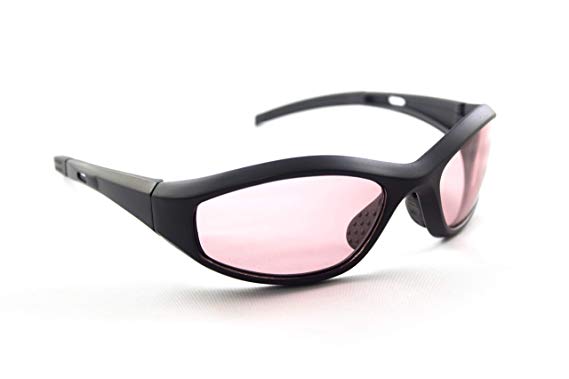
These lenses are tinted pink to reduce the amount of light entering the eyes, thus making them less sensitive to light. While this may be beneficial to many people, some feel even more sensitive when using these special glasses. Therefore, first of all, it is important to speak with an ophthalmologist.
Other alternative forms of treatment include wearing wide-frame UV-protected sunglasses. Other possible therapies include the use of photochromic lenses, which automatically dim in light and block everything ultraviolet rays, the use of polarized glasses, which provide additional protection against reflections of light from water, sand and others reflective surfaces, or the use of prosthetic contact lenses, which are colored the same as the FL-41 glasses, reducing the amount of light, getting into the eyes.
How to live well with photophobia
Having photophobia can significantly affect your quality of life if not properly treated. To cope with photophobia, in addition to proper treatment, whenever possible, it is necessary to make some lifestyle changes to protect the eyes from overexposure to light. We recommend using the following tips:
- protect your eyes from the sun outdoors with sunglasses;
- wear sunglasses recommended only by an ophthalmologist;
- always have eye drops to prevent drying out of the eyes;
- wear a hat;
- keep your home clean so that dust particles do not scatter light;
- reduce the exposure time of TV, computer and mobile screens, and install screen filtering applications to reduce light intensity;
- when working with a computer, in addition to using light filters, take regular breaks to reduce symptoms;
- replace or cover bright furniture and objects in your home that reflect the most light;
- replace fluorescent lamps in your home with LED ones.
While it is more comfortable to spend most of the day in the dark, it is important to expose yourself to limited and controlled lighting to increase your eye tolerance. Being in a dark room, in addition to harming social life and the risk of developing anxiety and depression disorders, can exacerbate photophobia.