Allergic conjunctivitis: signs, symptoms, treatment, photo
Content
- What is allergic conjunctivitis?
- Causes and risk factors
- Risk factors
- Symptoms and complications
- Complications
- Diagnostics
- How to get rid of allergic conjunctivitis
- Medications
- Specific immunotherapy (ASIT)
- Prevention and recommendations
- Forecast
What is allergic conjunctivitis?
Allergic conjunctivitis is an inflammatory process that affects the conjunctiva caused by any an allergen, whether chemical (such as contact lens solutions) or natural (such as pollen) substance.
Allergic conjunctivitis is probably the most common type I (IgE-mediated) hypersensitivity reaction and affects about 20% of all allergies.
Although so far not a single truly effective drug has been identified for its treatment, allergic conjunctivitis can be prevented by taking special hygiene and behavioral measures precautions.
To reduce its characteristic symptoms such as itching, redness of the eyes, light intolerance and swelling of the eyelids - antihistamines and corticosteroid drugs (eye drops / ophthalmic ointments and tablets) are undoubtedly the most suitable remedies.
Deepening.
As an allergic form, this type of conjunctivitis also represents the body's abnormal and exaggerated immune response when exposed to an allergen.
Symptoms caused by allergic conjunctivitis begin after "mistakenly recognizing" pollen, dust, or other elements by the immune system, which identifies them as substances potentially harmful to the body.
Severe itching, swelling of the eyelids are caused by the release of histamine and other vasoactive substances secreted by mast cells (localized at the level of the conjunctiva). Together, these molecules stimulate the dilation of blood vessels and irritate nerve endings, thereby contributing to the excessive production of lacrimation.
Causes and risk factors
Signs of an unpleasant disease appear instantly after interacting with irritating substances (allergens). Allergens easily enter the mucous membranes of the organs of vision, are activated there, as a result of which an inflammatory process appears.
Allergens that contribute to the onset of the disease can be roughly divided into four main groups:
-
Pollen. It has been established that the pollen of any plant is capable of causing an allergic reaction. This allergy is seasonal and manifests itself only during the flowering period, it is also called pollinous conjunctivitis. Most dangerous for allergy sufferers pollen such plants as:
- trees: birch, alder, poplar, aspen, apple, peach;
- cereal plants: wheat, rye, oats, bent grass, wheatgrass, barley;
- flowers: roses, tulips, asters, lilies, carnations, lilacs;
- weeds and cultivated plants: sage, ragweed, nettle, wormwood, quinoa.
-
Epidermal. These allergens have very strong sensitizing properties. Even a small and short-term interaction with them can cause a severe allergic reaction, up to angioedema. The most common intolerance to the epidermis of cats and dogs. Epidermal allergens include:
- saliva, wool, epidermis, animal secretions;
- down and feathers of various birds.
-
Household. Household allergens include everything that is present in the environment of a person in everyday life, for example, at home:
- any kind of dust;
- dust mite;
- food for dogs, cats, rodents, birds or fish;
- insects;
- mold fungi.
A dust allergen may include: various pollen, particles of building materials, epidermis and hairs of animal hair, dust mites.
In autumn and spring, the content of mites in house dust increases, so people prone to allergic diseases feel worse. The negative reaction to dust mites is not as sharp and rapid as, for example, the epidermis of a cat. Long-term interaction with an irritant can contribute to the development of diseases such as bronchitis, asthma.
Read also:Dacryocystitis
Mold spores are a strong irritant and dangerous for people suffering from allergic diseases. It is necessary to prevent the appearance of mold in rooms where allergy sufferers live or work, since with everyday interaction with an allergen, the risk of developing serious diseases is very high.
-
Nutritional. Modern food products, saturated with harmful components, flavors, preservatives and dyes, contribute to the appearance of allergic conjunctivitis. In most cases, especially in children, foods such as:
- milk protein;
- honey;
- chicken and quail eggs;
- tangerines, oranges, other exotic fruits;
- Fish and seafood;
- nuts;
- wheat, rye, oats;
- legumes;
- chocolate, candy and other sweets.
Attention! allergic conjunctivitis of the eye very rarely occurs due to the development food allergies. Basically, contact with allergens such as pollen and epidermis or animal hair contributes to its appearance.
Risk factors
Nowadays, there are a certain number of factors that can provoke a disease or worsen its course:
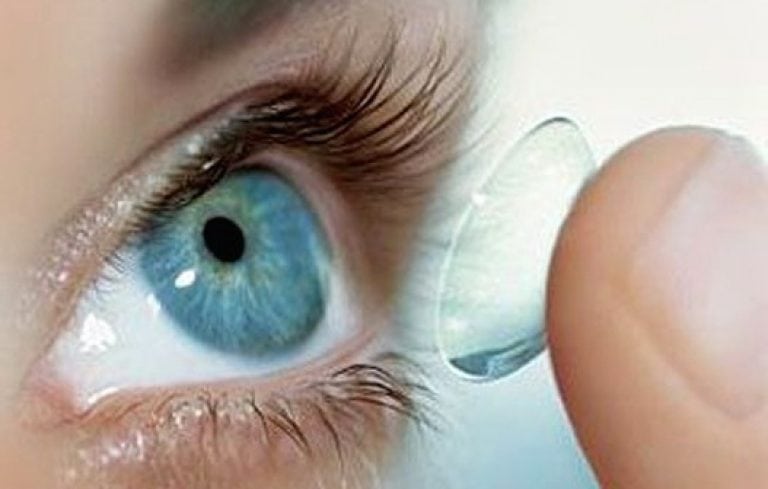
- Wearing contact lenses, especially if these are lenses of poor quality, made from poor quality materials. They irritate the thin mucous membrane of the eyes and can contribute to the development of allergic conjunctivitis.
- Unfavorable ecological situation. Polluted air, water, chemical elements in the composition of products are provocateurs of the development of allergic reactions.
- Hereditary predisposition. If one of the patient's close relatives suffers from allergies to one degree or another, we can talk about aggravated heredity.
- The use of drugs in large quantities. With the periodic intake of a sufficient amount of drugs, especially antibacterial and hormonal, the body's immune system suffers.
- The influence of chemicals, low-quality cosmetics. The course of the disease can worsen the use of solutions for contact lenses, the use of ointments, soaps, cosmetics.
- Operationscarried out on the organs of vision, the presence of sutures. In the postoperative period, symptoms of the disease may occur, but after a certain time they disappear and usually do not return.
- Chronic infectious diseases.
Symptoms and complications
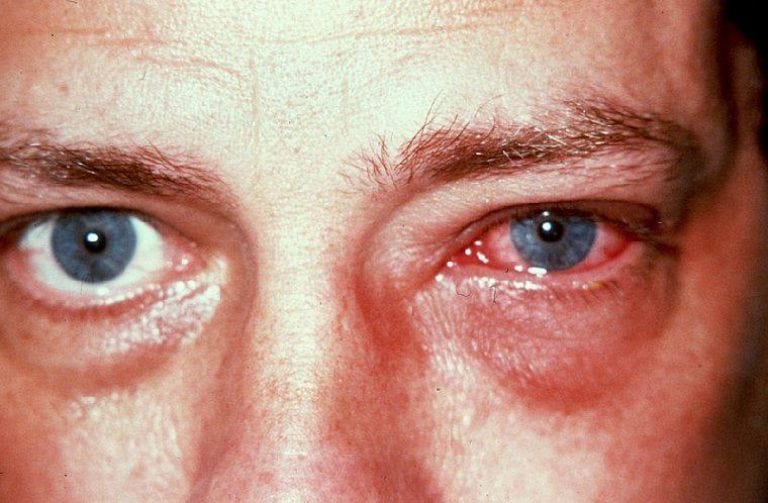
The disease proceeds as in an acute form (occurs unexpectedly, lasts a short period of time, passes quickly) and chronic (lasts a long period and has a less aggressive form).
The main signs of allergic conjunctivitis:
- pronounced redness of the whites of the eyes (see. photo above);
- fear of sunlight;
- profuse and uncontrolled lacrimation;
- severe swelling of the eyes;
- burning sensation in the eyes;
- partial visual impairment;
- inflammation of the eyelids;
- general malaise, fatigue.
Allergic conjunctivitis in adults is the same as in children. However, in small allergy sufferers, the disease may be accompanied by allergic rhinitiscaused by allergic reactions.
If the signs of the disease are insignificant and last more than six months, a chronic form of conjunctivitis is diagnosed. Usually, with this form, the patient is concerned about other diseases, for example, atopic dermatitis or bronchial asthma.
Conjunctivitis often becomes chronic, since its symptoms can be so subtle that it is not always possible to immediately detect and treat them in a timely manner.
In the acute form of this disease, the patient immediately becomes ill: eyes turn red and watery, worried about severe itching and burning, and the face swells. If you do not provide medical assistance to an allergic person in a timely manner, severe edema may occur, and subsequently threatens with loss of vision.
If you develop symptoms that indicate the presence of allergic conjunctivitis, you should consult an ophthalmologist for an accurate diagnosis. If the allergic nature of the disease is confirmed, it is necessary to visit an allergist-immunologist to prescribe a comprehensive treatment.
Complications
Without proper professional treatment, an allergic eye disease can lead to complications such as:
- mechanical injury to the transparent membrane of the eye;
- the occurrence of a bacterial or viral infection;
- loss of vision clarity;
- the addition of other allergic reactions.
Read also:Blepharitis - what is it, symptoms, causes and treatments
Diagnostics
Unlike other forms of inflammation of the conjunctiva, allergic conjunctivitis is relatively easy to diagnose: the symptoms are fairly characteristic and easily recognizable.
Allergic conjunctivitis is characterized by severe swelling and severe itching that occurs suddenly after exposure to allergens. However, objective observation by a physician is necessary both to establish the suspected allergic conjunctivitis and to determine the allergen involved in the allergic reaction.
Let us briefly recall that allergic conjunctivitis differs on the basis of the pathogen (i.e., causing it allergen): pollen, dust mites, pet epithelium or certain substances contained in contact lenses, or some cosmetics, can cause allergic reactions to the conjunctiva in sensitive patients.
The diagnosis begins with a thorough ophthalmologic examination supported by the patient's history, i.e. with the collection of information and symptoms identified in the patient. To complete the examination, the patient usually undergoes more extensive research trials to pinpoint the exact allergen causing the allergic reaction.
The first step is to identify the allergen. For this, different options are used. skin and allergic tests. It can be skin and provocative tests, in addition, you can take a blood test for the presence of antibodies to allergens.
During the test procedure, the doctor will make small scratches on clean skin, on which he will drip a few different allergens-irritants. Evaluate the result after 20-30 minutes. Itching at the site of scratching, red spots and a burning sensation indicate the presence of allergies.
Treatment can be started only after a specific diagnosis has been made and the patient's allergy is confirmed, otherwise the opposite effect can be achieved and the development of unpredictable complications.
How to get rid of allergic conjunctivitis
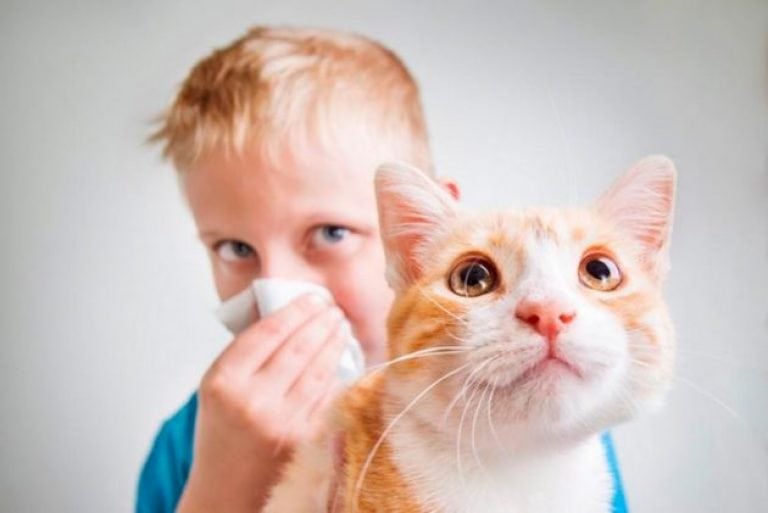
After identifying one or more allergens, it will be recommended to urgently exclude them. For example, if you are allergic to the hair and epithelium of a dog or cat, it is better to give the animal away, in order to avoid further development of the disease.
If a dust mite is found, you need to clean the apartment of carpets, feather pillows, unnecessary items and carry out wet cleaning daily.
Sometimes it is not possible to completely eliminate the allergen, for example, to protect yourself from birch pollen during its flowering period. At that time it is recommended to be on the street less often, close all windows. It is advisable to purchase a humidifier with a purification function.
After removing irritating factors from the patient's life, in simple cases, allergists carry out local treatment, and in case of an advanced and severe course of the disease, complex treatment.
To strengthen the general condition of the body, additional therapy is prescribed to strengthen the immune system, and allergic symptoms are removed. With a long process, antibacterial agents are prescribed.
Medications
To block the histamine that contributes to allergic symptoms, doctors prescribe antihistamines:
- Zodak (tablets or drops);
- Zyrtek;
- Cetrin.
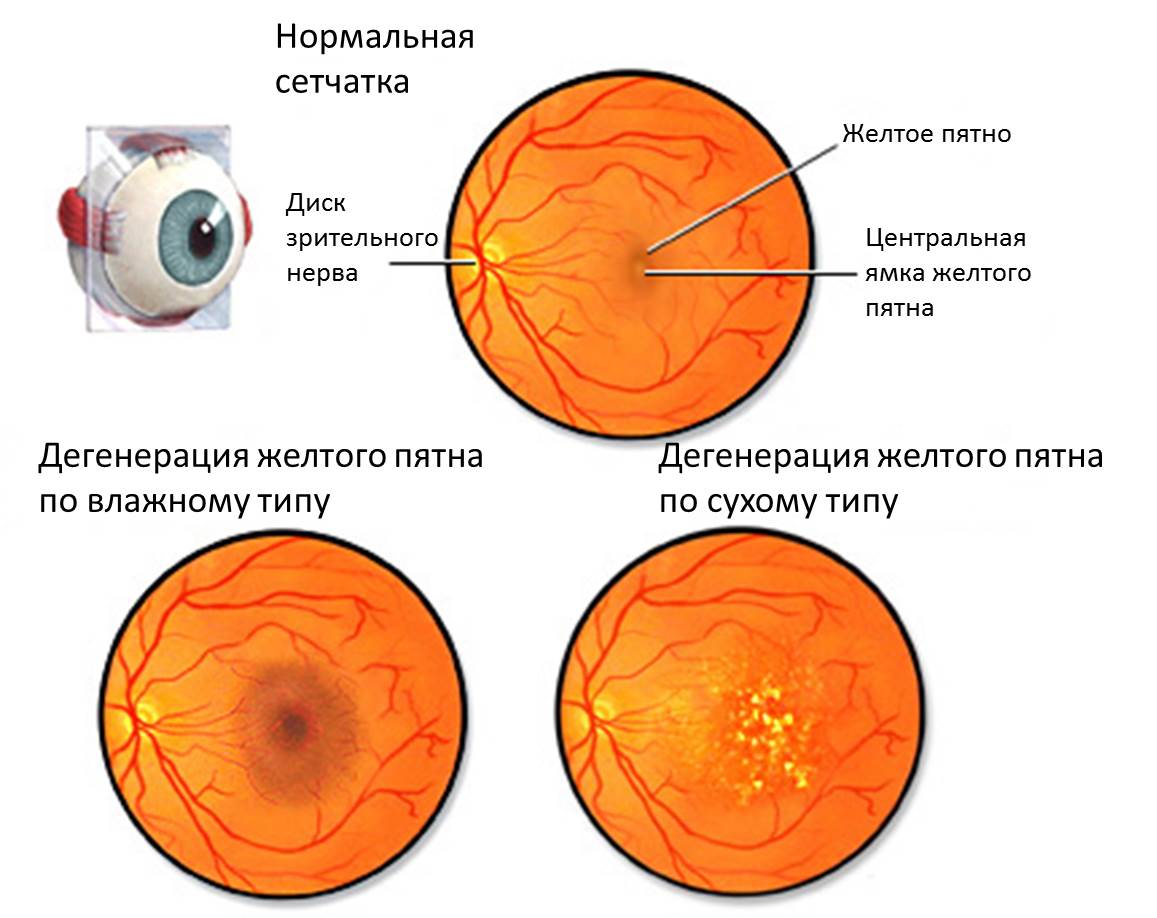
Read also:Retinal macular degeneration (macular degeneration)
New generation drugs that have practically no side effects and do not cause drowsiness or lethargy.
Antiallergenic eye drops are also used to relieve unpleasant symptoms:
- Opatanol;
- Vizin;
- Lekrolin;
- Allergodil.
Drops are used to improve the cell membrane
- Lekrolin (Cromohexal);
- Zaditen (Ketotifen).
To moisturize the mucous membrane of the eyes, use:
- Oxial;
- Systane;
- Dephislosis;
- Ophthalmic;
- Vizin;
- Inox.
Eye drops with corticosteroids, for example Hydrocortisoneare used to treat severe forms of the disease. Such drugs are used with caution, in the exact dosage and canceled only as directed by the attending physician.
In order to cleanse the body from allergens and foods their vital activity, forming toxic substances, sorbents are prescribed:
- Activated carbon;
- Polysorb;
- Enterosgel;
- White coal.
Attention! All drugs for allergic conjunctivitis of the eyes in the prescribed dosage can be prescribed and canceled only by a qualified specialist. Self-medication is unacceptable here, as it can lead to irreversible consequences, such as the addition of a secondary bacterial infection and the occurrence of purulent conjunctivitis.
Specific immunotherapy (ASIT)

With a sluggish long-term form of allergic conjunctivitis, specific immunotherapy is used.
Modern drugs often immediately cope with the severe symptoms of allergic reactions, but after they are canceled, the disease returns again.
ASIT (allergen-specific immunotherapy) makes it possible not only to temporarily get rid of the manifestation of symptoms, but also to eliminate them forever. At the moment, this is the only way to eliminate allergic diseases such as rhinitis, conjunctivitis, dermatitis, bronchial asthma.
ASIT prescribed only by an allergist-immunologist in certain doses. The essence of allergen-specific immunotherapy is that an allergen is gradually introduced into the human body, each time increasing the dose. Over time, there is an addiction to the incoming allergen, and the disease recedes, since the immune response to external stimuli ceases to be so acute.
Treatment with ASIT is a very long and laborious process that takes 3-5 years. There are a lot of contraindications for this therapy. It is impossible to carry out ASIT in children under 5 years of age, during pregnancy and breastfeeding, renal failure.
Prevention and recommendations
Special methods to prevent the onset and development of conjunctivitis have not yet been developed. To alleviate the symptoms of an already arisen disease, simple and well-known preventive measures are used:
- exclusion or limitation of contact with the allergen;
- hypoallergenic life;
- engaging in various sports;
- proper nutrition;
- exclusion of smoking and alcohol;
- walks in the open air.
Forecast
Nowadays, allergy can be safely called the "Disease of the Century", since about 90% of the population suffers from various allergic diseases. An allergen penetrating the human body causes an inadequate immune response, which manifests itself in various symptoms.
Diseases caused by allergies, including conjunctivitis, are chronic in nature and cannot be completely cured. Signs may reappear after prolonged remission, in 5-10 or even 20 years, but they may not return at all.
Careful implementation of all recommendations of an allergist-immunologist, a healthy lifestyle is the key to successfully getting rid of allergic conjunctivitis for a long time.