Amblyopia in children: what is it, causes, symptoms, treatment
Content
- What is amblyopia?
- Causes
- How amblyopia develops
- Risk factors
- Symptoms and signs of amblyopia
- Diagnostics
- Amblyopia treatment
- Corrective lenses
- Surgery
- Encourage your child to use the amblyopic eye
- Forecast
What is amblyopia?
Amblyopia is a condition characterized by impaired vision in one eye. This condition, also known as lazy eye, is the leading cause of visual impairment in children.
The disease occurs as a result of abnormal development of vision and neurons. The lazy eye manifests itself in the first years of life and, if not successfully treated during the developmental phase of the child, can persist until adulthood.
Amblyopia is, in fact, the most common cause of monocular (i.e. only one eye) visual impairment among young adults and middle-aged adults. If neglected, this condition can lead to irreversible loss of vision.
Causes
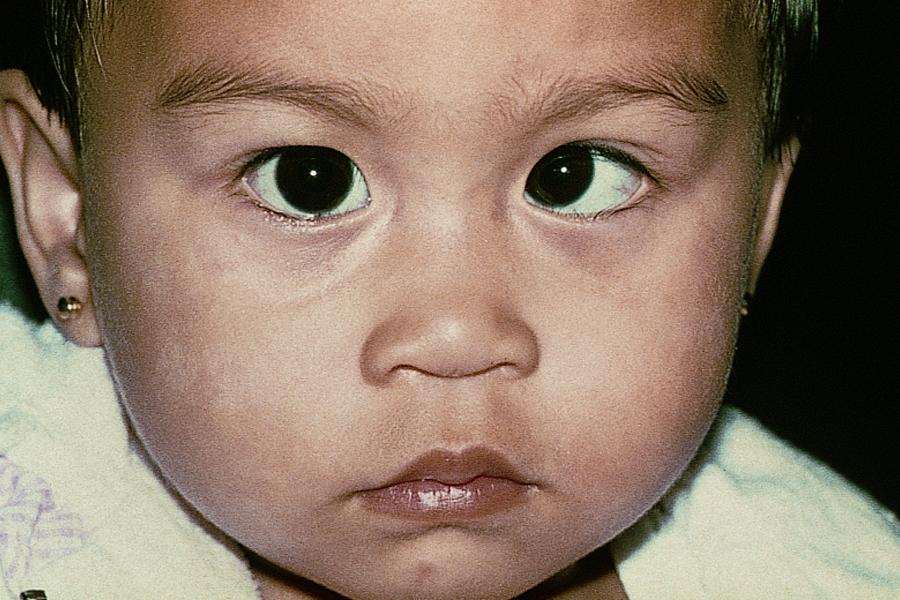
Amblyopia is the medical term used to describe impaired vision in one of the eyes, because the visual process in the eyes and brain is uneven or abnormal. This condition occurs when the nerve pathways between the brain and the eye are not stimulated properly.
The disease can be caused by any condition that interferes with the normal development or use of the eyes, including strabismus (deviation of the visual axes from direction to the object in question) or difference in the quality of vision between the eyes (for example, if one eye is more myopic, presbyoptic or astigmatic, than the other).
Sometimes amblyopia is caused by other eye conditions such as cataract.
How amblyopia develops
The brain and eyes work together to analyze and process visual information. The light enters the eyes, where the retina converts the image into nerve signals that are sent to the brain via optical pathways. The brain combines visual stimuli from each eye and forms a three-dimensional image.
Children must learn to see, or rather, their brain must learn to understand the nerve signals sent by the eyes along the optical paths. It takes a child about 3-5 years to see clearly as adults see, and up to 7 years for the visual system to fully develop.
If, during growth, the deficit affects one of the eyes, the signal quality is impaired, which in turn affects the interpretation of the images. This means that the child may see less clearly with one eye and tends to rely on the vision in the other eye.
Often the structures of the amblyopic eye appear healthy and functional, but are misused because the brain favors the other eye (dominant), as a result of which the brain relies more and more on the dominant eye and begins to ignore the signals received from the amblyopic eye.
Risk factors
Common conditions that negatively affect the development of vision and cause amblyopia:
- Strabismus. Strabismus - a fairly common disease that occurs due to muscle imbalance that prevents consistent alignment of the eyeballs: one eye looks straight ahead and the other looks left, right, up or down. Children's brains are neuroplastic, meaning they can easily adapt and correct problems such as clouding or double visionby suppressing signals from the eyes. One of the effects of this visual deviation is amblyopia.
- Refractive errors. Refractive errors are caused by structural changes in the eye that do not focus the image correctly. The dominant eye tends to give the brain a clear image. When the image from the other eye is blurred, abnormal development of one half of the visual system is determined. This form of lazy eye is the result of a significant difference between vision in each eye (anisometropia) due to myopia, hyperopia, or imperfection on the surface of the eye (astigmatism). Amblyopia is often associated with a combination of strabismus and anisometropia. Typically, these vision problems are treated by constant wearing of glasses or contact lenses.
-
Less common diseases. People with eye conditions, such as congenital cataracts, may experience deprivation amblyopia (i.e., blindness). Like other diseases that cause blurred vision, the disease interferes with the normal vision of the eyes and results in visual impairment. If this form of amblyopia is not treated in the early stages, it may recur or persist after the cause has been eliminated. Sometimes a lazy eye is the first sign of an eye swelling. Other less common conditions that can cause blurred vision include:
- Visual impairmentsuch as an ulcer or scarring of the cornea;
- Congenital cataract (clouding of the lens is present from birth);
- Glaucoma;
- Drooping eyelids (ptosis);
- Choroid hemangioma (benign vascular tumors).
Read also:Barley on the eye, what is it, causes, symptoms and how to treat
Symptoms and signs of amblyopia
The end result of all forms of amblyopia is a lack of visual acuity in the amblyopic eye; the degree of this deficiency may be minor or severe.
To understand whether a child suffers from a lazy eye, sometimes it is necessary to interpret some signs, because the children of the younger age usually do not realize that something is wrong with their vision, or they know about it, but cannot explain the caused to them the discomfort. Older children may complain of not being able to see well with one eye and indicate problems with reading, writing, and drawing.
Sometimes the only obvious symptoms of a lazy eye are associated with an underlying medical condition such as strabismus, congenital cataracts, or ptosis of the eyelids.
Signs and symptoms of amblyopia can include:
- poor vision in one eye;
- involuntary movement of the eye inward or outward: in some cases, it can be noted that the eye is looking in a different direction (this may be due to strabismus);
- low contrast sensitivity;
- low sensitivity to movement;
- Poor depth perception: Children with lazy eyes usually have trouble judging the distance between themselves and objects accurately. This can make things more difficult, such as catching the ball.
Amblyopia in children is usually unilateral, but the fact that it can occur in both eyes cannot be ruled out.
Diagnostics
Ideally, a lazy eye should be diagnosed and treated as early as possible. However, amblyopia is not always obvious. Many cases of lazy eye are diagnosed during routine eye examinations before parents are aware of the disorder.
Doctors check their eyesight during routine checkups of children, especially if the family has cases of strabismus, pediatric cataracts, or other eye conditions. This means that if a child has a lazy eye, it can be diagnosed and treated before it is too late.
Read also:Pterygium
Children between the ages of 3 and 5 should have a full eye exam before starting school and for further examinations at least every two years. Amblyopia is usually diagnosed around the age of four. Depending on the circumstances, your doctor may refer you to a specialist (ophthalmologist or optometrist).
Amblyopia treatment
In children, the treatment of amblyopia is aimed at correcting the visual process in the amblyopic eye. In general, early treatment of the disorder is sufficient to avoid problems later in life.
Most cases can be treated (as is usually the case) in two stages. First of all, the main problem is eliminated, for example, with the constant use of glasses and / or contact lenses to correct a visual defect. The child is then advised to use the weaker eye again so that the vision can develop correctly.
This can be achieved by bandaging the dominant eye with a bandage or by administering a few drops of atropine for temporary visual impairment. Treatment is effective, but vision restoration is a gradual process that takes several months.
Depending on the cause and extent of the disorder, treatment options may include:
Corrective lenses
In the case of myopia, hyperopia, or astigmatism, the ophthalmologist may prescribe the wearing of corrective glasses. Glasses should generally be worn at all times and the patient should be checked regularly. Glasses can also help treat strabismus and, in some cases, can eliminate amblyopia without further treatment. Contact lenses are an alternative to glasses, although they are only prescribed for older children.
Surgery
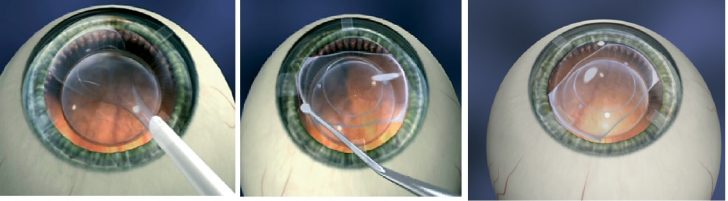
For children with congenital cataracts, surgery may be required, followed by vision correction with glasses or contact lenses. The procedure can be performed under local or general anesthesia and can take a minimum of 20 minutes.
Surgical treatment for cataracts can correct blurry and distorted vision. The child may be hospitalized overnight to monitor the recovery process.
After this, you may need to apply an eye patch or eye drops.
Surgery can also be used to correct strabismus. The surgery strengthens or weakens the eye muscles that are responsible for eye misalignment.
However, the operation itself does not completely eliminate the disease: vision does not improve, but the lazy eye aligns with the healthy one in order to work better together. Children with amblyopia still need close supervision and appropriate therapy. This treatment is usually considered prior to surgical correction of strabismus.
Read also:Rupture of eye capillaries
Encourage your child to use the amblyopic eye
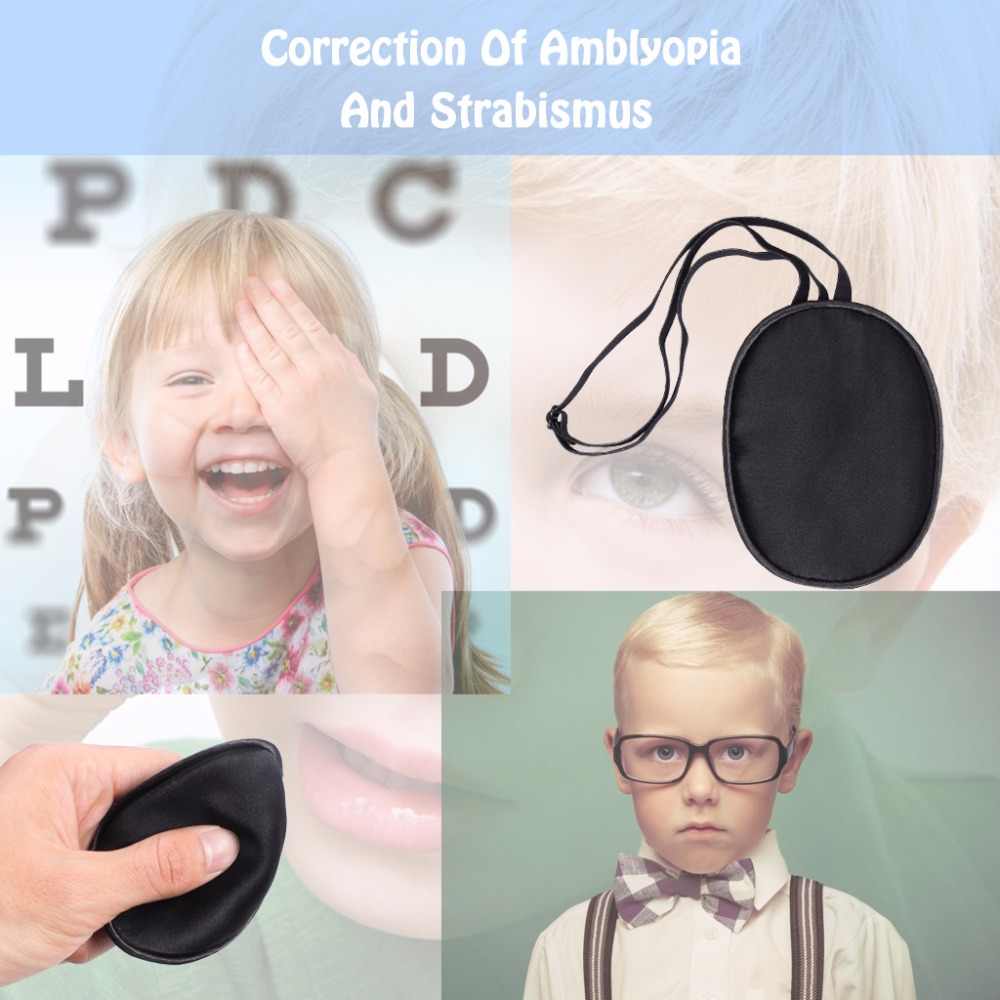
A number of different therapeutic options can be used to induce a child to use the non-dominant eye:
- Occlusive dressing. This therapy consists of applying an opaque bandage with a sticky edge directly to the skin over the dominant eye, forcing the child to use the other eye. The healing process can take a long time, depending on how serious the problem is and how long the child will wear the bandage. Most children have to wear the bandage for several hours a day (about 3-6 hours), over several weeks or months. Some ophthalmologists believe that performing certain activities (reading, coloring, watching TV, etc.) while wearing the patient's eye patch may be more stimulating to the brain and help to recovery. The ophthalmologist should regularly check how the occlusion of the dominant eye affects the child's vision. The use of a bandage can be very effective in improving the vision of the lazy eye, especially if used before the patient is 7-8 years old.
- Eye drops (atropine). A drop of atropine a day or twice a week can temporarily impair vision in the stronger eye. Atropine treatment indirectly stimulates vision in the weakest eye and helps the part of the brain that controls vision to develop more fully. Side effects that can occur after using the eye drops include eye irritation, skin redness, and headaches. However, these manifestations are uncommon and rarely outweigh the benefits of treatment. This therapy can be as effective as occlusive dressing on the dominant eye. Often, the choice of treatment depends on the patient's preference. Therapy may be ineffective if the dominant eye suffers from myopia.
Forecast
Children who are started on treatment before age 5 usually recover almost completely. In some cases, patients may still have problems with depth perception. If left untreated, amblyopia results in permanent eye damage or muscle problems that may require a variety of surgical procedures.
If the condition is diagnosed and treated at an early age (ideally around 2 years of age), the outlook for lazy-eyed children is good. During the first 6-9 years of life, the visual system develops very rapidly.
During this period of growth, complex connections are created between the eye and the brain. Amblyopia is more difficult to treat when development is complete, but interventions can be made to improve vision in the weakest eye.
The onset of amblyopia cannot be prevented, but it is possible and necessary to intervene at an early stage so that it does not worsen or become chronic. The only viable system is early examination and, in the case of therapy, scheduling of sufficiently careful monitoring.