How does chickenpox begin in children, the first signs, photos, treatment
Chickenpox is popularly called the disease of the varicella-zoster virus, caused by the third type of herpevirus. This virus provokes two diseases. When it first enters the body, Varicella zoster causes chickenpox, and its repeated activation leads to herpes zoster (deprive).
Chickenpox is perhaps the most common viral disease in children. Mostly, they get sick only once in a lifetime, however, repeated cases of the disease also occur. Although children, in most cases, tolerate the disease quite easily, especially in comparison with the adult population, the disease is still uncomfortable.
It is difficult for babies to tolerate itching and to control themselves. This interferes with your daily routine and healthy sleep. Therefore, each parent needs to know as much as possible about chickenpox, as well as learn to recognize the first "bells" of the disease.
Content
- How do you get chickenpox?
- Incubation period in children
- First manifestations
- Symptoms and Signs
- Treatment
- The role of brilliant green in the fight against chickenpox
- The consequences of chickenpox
- Prevention of chickenpox
- Related Videos
How do you get chickenpox?
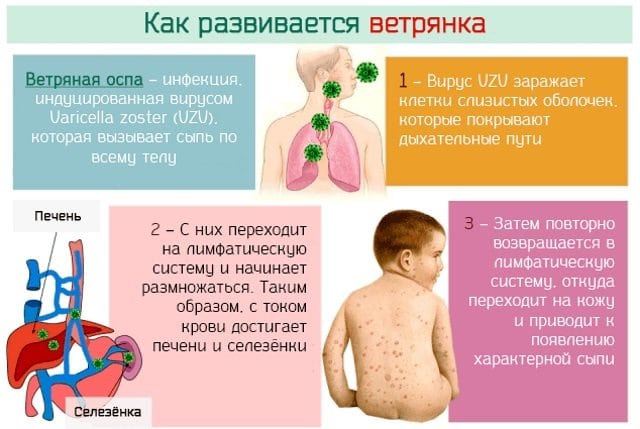
The resistance of an unvaccinated organism to the varicella-zoster virus is zero. If a child has had contact with the virus, the probability of infection is one hundred percent. There are three ways of contracting chickenpox:
- Airborne. The most common transmission of chickenpox to a healthy body. Talking at both close and long distances, coughing or sneezing all warrants smallpox infection. The virus penetrates the respiratory tract and mucous membranes of the eyes, after which it spreads throughout the child's body.
- Contact form infection is called the ingress of the contents of papules or the patient's saliva on healthy skin.
- Vertical way infection is intrauterine. The virus is transmitted from a pregnant mother with chickenpox to the fetus.
Outbreaks occur in spring and autumn. It is during these periods of the year that the immunity of both children and adults is weakened, the protective functions of the body are reduced. Chickenpox attacks mainly children of preschool or primary school age and from one and a half years.
Important: babies under six months of age are usually protected from the virus, but only if the mother has had a history of smallpox. In general, babies up to a year or two extremely rarely get chickenpox, but it is this age group that is in high-risk zone: the disease at this age is extremely difficult to tolerate and can give weight complications.
Incubation period in children
Roughly the incubation period in children lasts from a week to three. Generally, the older a person is, the shorter they are. If in a child from the moment of infection to the onset of symptoms, it takes up to two weeks, then in adults - from 16 days. During this period of time, the contagion of the disease (its causative agent) penetrates through the respiratory tract, after which it begins to actively multiply, accumulating in the cavity of the mucous membranes of the respiratory tract.
Doctors divide the incubation period into three stages:
- Start. At this stage, the virus enters the body and undergoes the process of adaptation.
- Development. Contagium accumulates and forms the first focus of the disease.
- Completion. Smallpox spreads throughout the body, and it, in turn, begins to produce antibodies.
Chickenpox is a pretty tricky disease. Due to the long incubation period, it is rather difficult to determine when contact with the pathogen has occurred. Moreover, at this point, the child is most infectious to other people.
First manifestations

The first signs begin immediately after the end of the incubation period. Usually, at first, the temperature rises slightly, the child may feel a slight malaise, fatigue.
Read also:Measles symptoms in children, photo from the initial stage
Sometimes other symptoms of a common cold are observed: runny nose and / or sore throat, chills. After a day, you can see the first rashes on the head and face. The rash spreads almost instantly throughout the body.
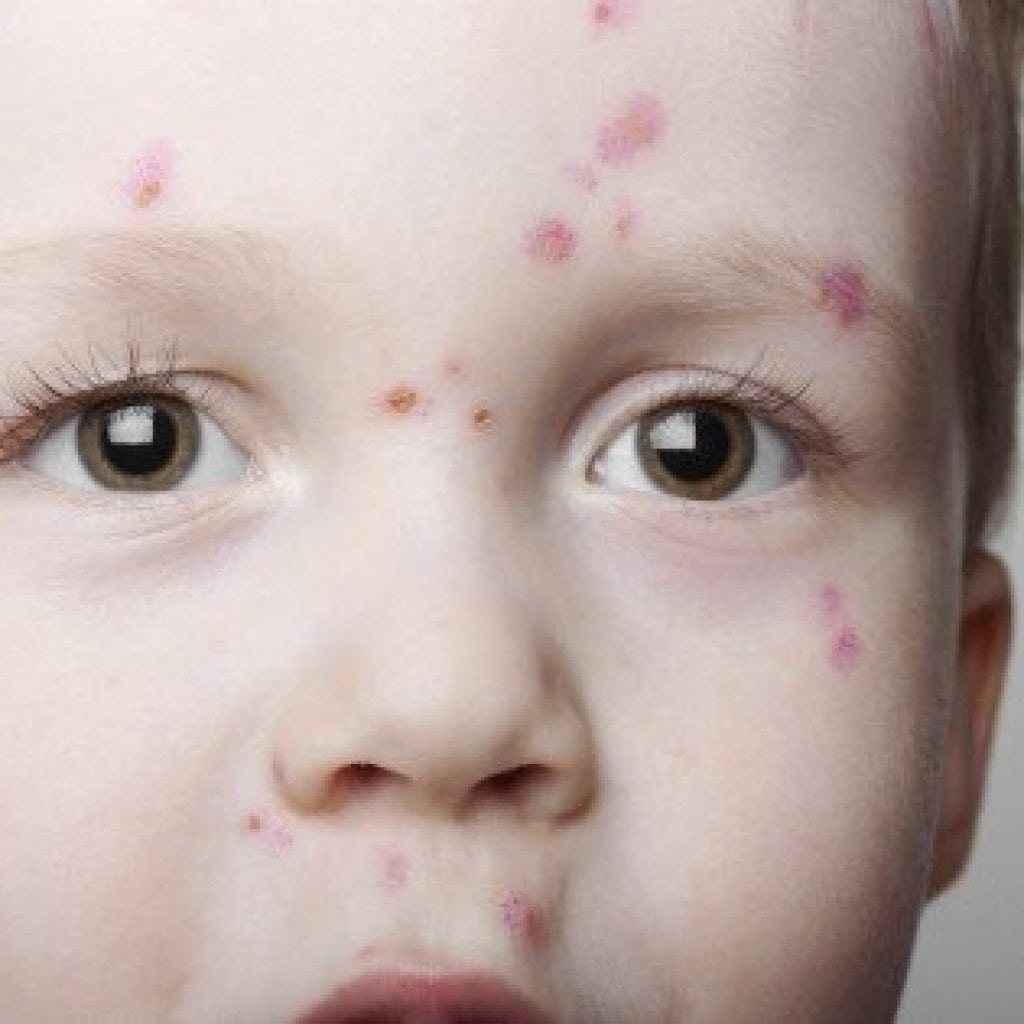
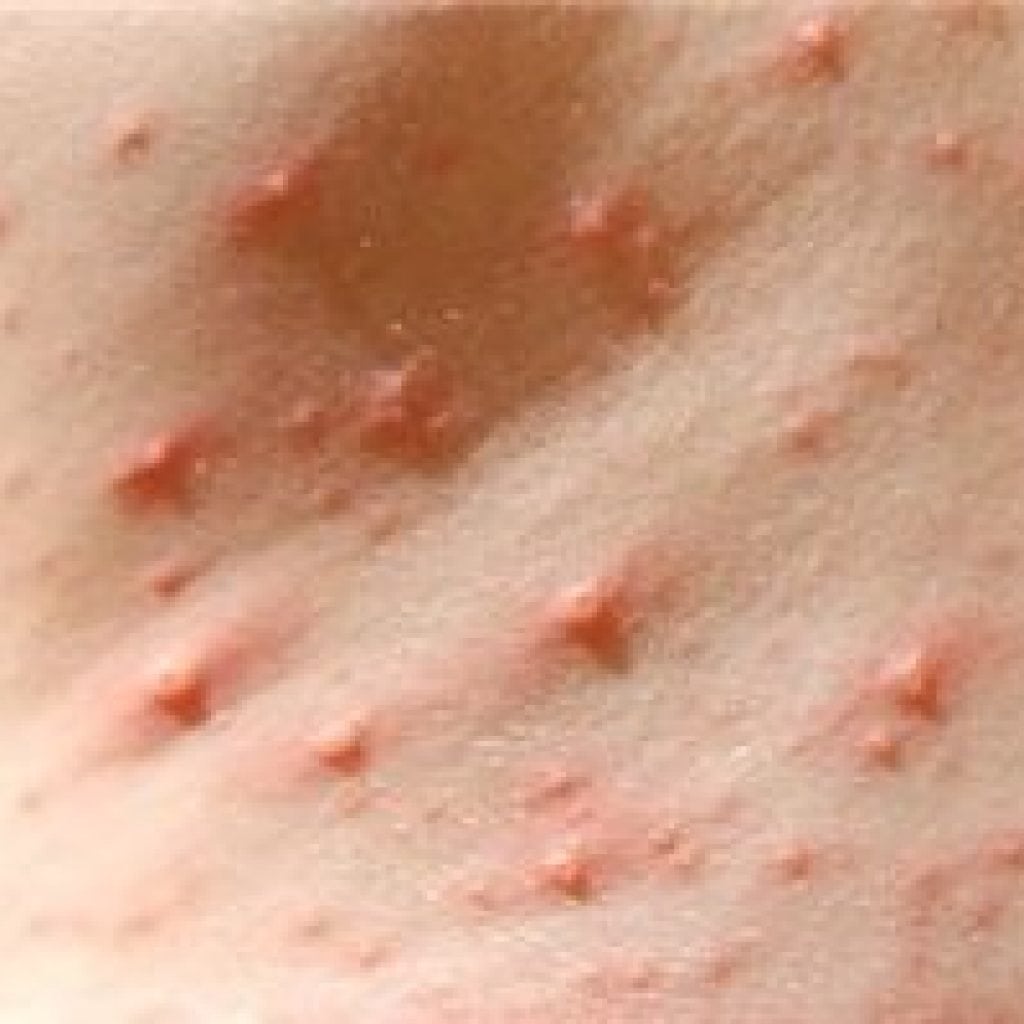
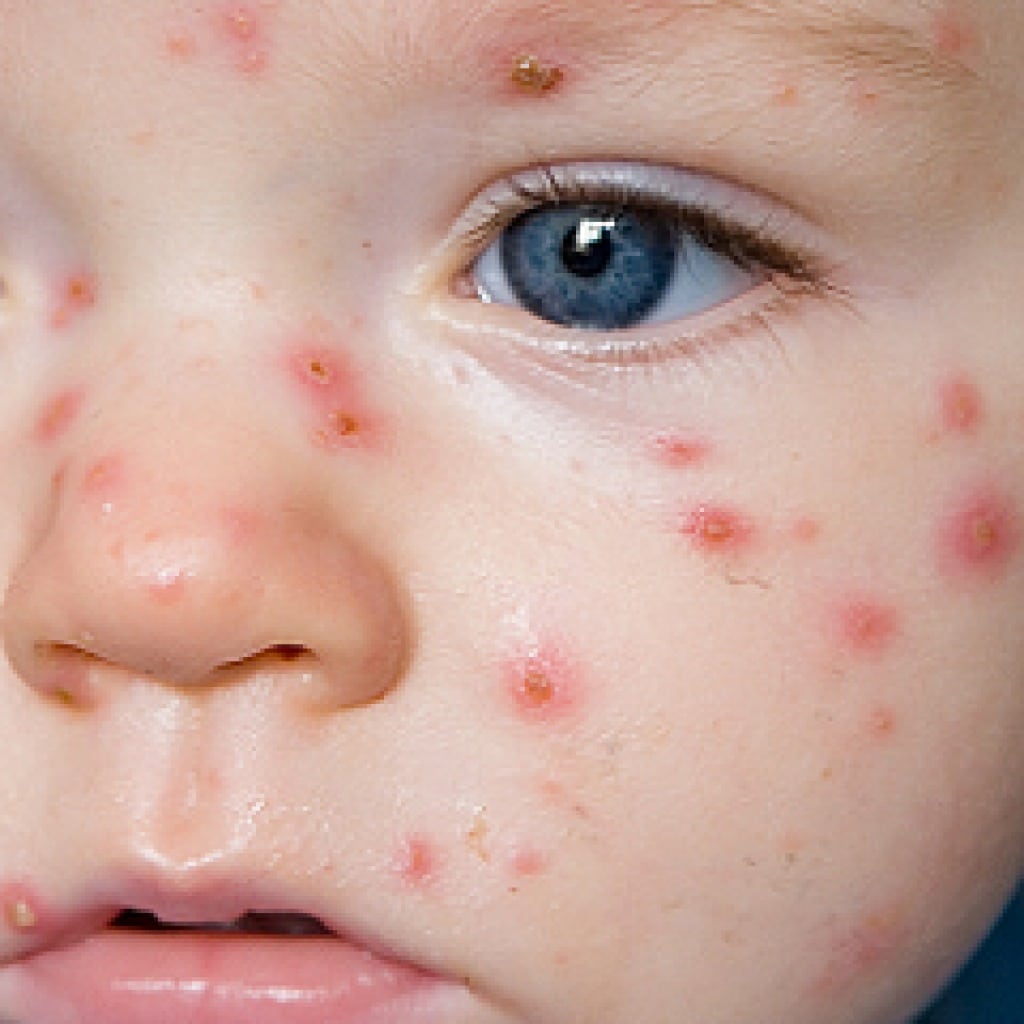
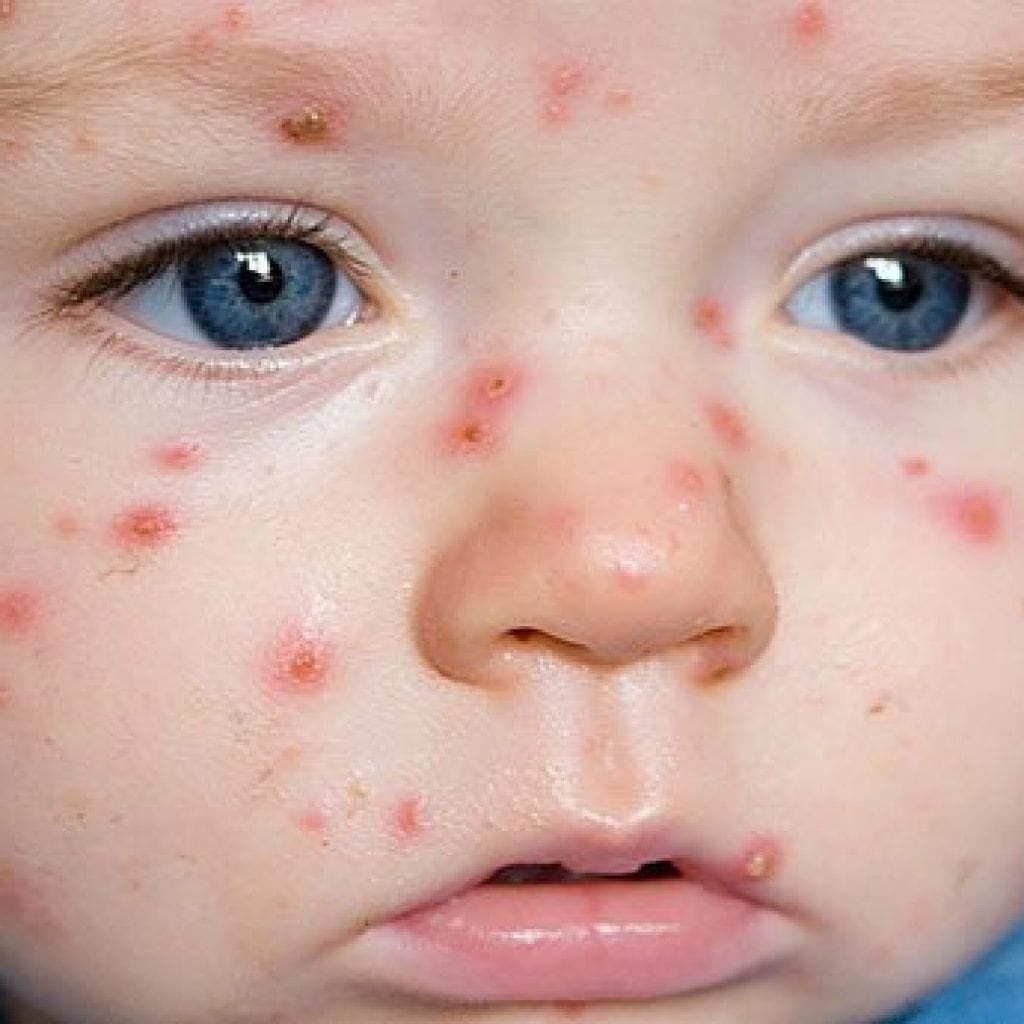
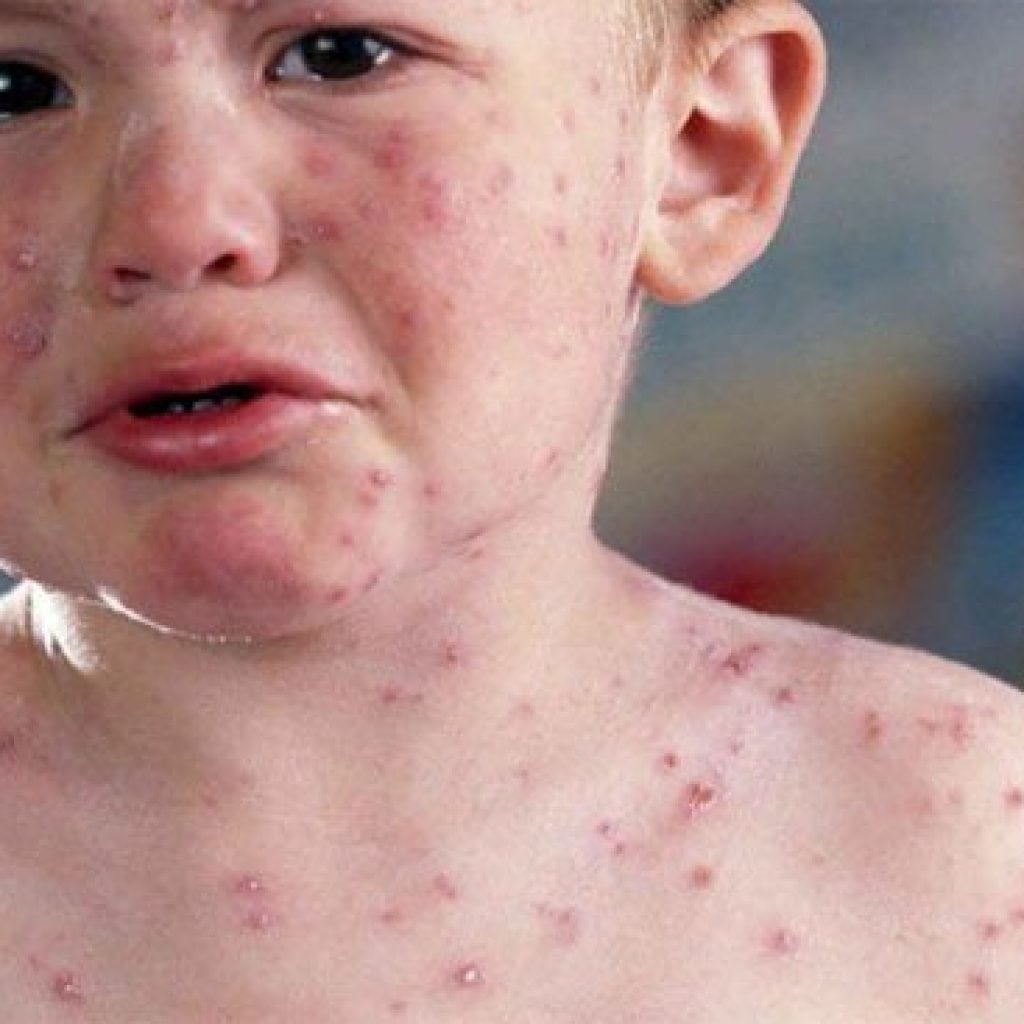
At first, it looks like red spots, and the parent may not immediately understand that this is a sign of chickenpox. After the skin rises, the epithelium becomes thin, and papules form in place of the spots, which outwardly resemble pink bubbles. They "climb" into the most inaccessible areas of the body, for example, between the fingers or under the armpits. Moreover, the mucous membranes of the whole organism are affected: eyes, mouth, genitals.
How chickenpox begins in children can be seen in the following photos and images. They will also help distinguish rashes characteristic of chickenpox from other diseases.

Symptoms and Signs
The symptoms and treatment of chickenpox depends on the severity of the disease. Typical chickenpox is usually divided into three forms:
- For light form a body temperature of up to 38 degrees is characteristic, in general, the child is in a normal state and moderate rashes that disappear within a few days.
- Moderate severity the disease is expressed in an increase in temperature up to 39 degrees. Nausea, headaches, vomiting, dizziness, lack of coordination may occur. The rash is profuse, disappears on average in a week.
- Severe form characterized by a very high temperature (under 40 degrees), chills, the child can be delirious. Rashes affect almost the entire body and mucous membranes, are observed from 8 to 14 days.
Important: parents need to carefully monitor the appearance of new papules, each "jump" in the rash causes a rise in temperature.
As with most viral diseases, chickenpox is characterized by an increase in local lymph nodes, as well as other symptoms of intoxication:
- weakness;
- joint aches;
- apathy and drowsiness;
- lack of appetite;
- nausea and vomiting.
A rash is the most obvious symptom of chickenpox. A few days after the first papules appeared, the liquid in them begins to become cloudy and darken. After that, the blisters dry up, and a crust forms in their place, which can last up to 14 days.
Itching is perhaps one of the most unpleasant symptoms. The appearance of each papule is characterized by severe itching. The more severe the form of the disease, the stronger it is. Itching is more difficult for young children: the child does not have enough self-control, so he can scratch the blisters and peel off the crusts. Parents should carefully monitor the baby and avoid scratching so that the wounds do not leave behind scars.
Treatment
Important: treatment for chickenpox does not require antibiotics. Many parents make a common mistake when trying to treat viral diseases with antimicrobial drugs. Antibiotics are absolutely useless in the fight against chickenpox.
In general, there are no specific medications for the treatment of chickenpox. Moreover, this disease in children does not require the use of antiviral drugs. They can be prescribed only in extreme cases: with a severe form of the disease or the occurrence of complications.
Chickenpox in preschool children usually does not need treatment. Parents need to monitor their baby and watch for new rashes.
In rare cases, your doctor may prescribe topical anti-herpes ointments or acyclovir-based tablets. This can only happen in case of complications, since most children from one to seven years old tolerate the disease well. In addition, it is not advisable to use antiherpetic drugs for babies because of the possible "bouquet" of side effects.
Read also:Rett syndrome in children
The role of brilliant green in the fight against chickenpox
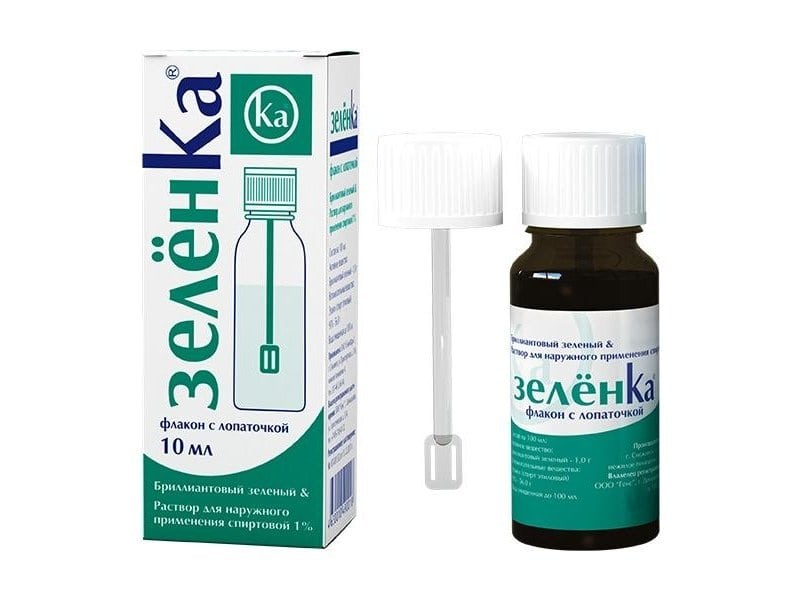
Contrary to widespread misconceptions, brilliant green does not have any medicinal properties regarding rashes. It does not relieve the baby from itching or the appearance of new papules, does not contribute to the rapid healing of wounds.
So why do doctors recommend treating a sick child with this remedy?
Brilliant green solution is used exclusively as a kind of marker. During the study of chickenpox, it was found that the likelihood of a sick person becoming infected with a healthy person disappears after five days after the last focus of the rash appeared. Before this period - the patient poses a danger to other people. In order to find out which of the papules are "today" and which ones appeared earlier, parents note blisters.
Unlabeled papules are fresh, labeled papules are old. In principle, you can mark nodules with anything: a pen, a marker, paint. Zelenka has a characteristic bright color and is absolutely harmless to baby skin, therefore this method is considered optimal. Brilliant alcohol solution of greens can be replaced fucorcin.
Five days after the appearance of the last papules, outdoor walks are recommended. But still it is worth avoiding public places: although the child is not contagious to others, his body weakened by smallpox can "get hold" of a new infection. Doctors advise observing this regime for about 20 days.
If during an illness the mark on the thermometer rises above 38 degrees, you need to bring down the temperature. For children, two drugs are recommended: ibuprofen or paracetamol.
Even if you are worried about the baby's lack of appetite, you should not force feed him. The diet is best composed of proteins and a variety of vitamins. Doctors advise to eat more berries, vegetables and fruits. During the period of illness, it is better to exclude sweet, starchy and fatty foods. Drink plenty of fluids. Great options:
- hydrocarbonate mineral waters,
- rosehip broth,
- dried fruits compote.
The most difficult moment in treating chickenpox for most parents is combating the scratching of the wounds.. How can you help your baby and relieve itching?
- The climate in the apartment. The air should be moderately cool and humid. Especially if the child is sick during the hot season. Sweating not only makes itching worse, but also contributes to profuse rashes.
- Bathe your child. The water should be at room temperature. You can even put your baby in the bathtub. Cool water will relieve itching. For best results, you can add baking soda, cornstarch, or a mild potassium permanganate solution. Bath itch relieves well with the addition of oatmeal. After bathing, you must never wipe the child. The skin should be gently patted dry with a clean towel.
- Clothes, bedding and underwear must be changed daily. In no case should you dress your baby in synthetics.
- At night, it is recommended that the child wear mittens made of natural fabrics (preferably cotton). This prevents unconscious brushing during sleep.
- You need to meekly cut your child's nails.
- Antihistamine ointments or gels can also help relieve itching. It is better to discuss their use with the attending pediatrician right away. You can smear them a little bit and only on pockmarks, otherwise the use of these drugs may threaten an overdose.
Read also:Dyslexia
The consequences of chickenpox
The opinion that chickenpox is just a harmless childhood disease is wrong. The disease can cause serious complications and lead to unpleasant and sometimes dangerous consequences.
- Decreased immunity. The virus suppresses the defense mechanisms of the child's body. This can lead to new diseases: otitis, pneumonia, arthritis of the joints, nephritis, heart disease, damage to internal organs and even bone marrow. In some cases, the consequence of chickenpox may be damage to the central nervous system, and this threatens with constant dizziness, nausea, and impaired coordination. One of the rarest and most dangerous complications is encephalomyelitis. This disease provokes inflammation in the brain.
- Infections. The skin affected by the rash can become a breeding ground for streptococci and staphylococci. Purulent dermatitis is a fairly common complication of chickenpox. To avoid such diseases, you need to closely monitor the child, do not allow the baby to comb the rashes or peel off the crusts.
- Shingles (herpes) quite often occurs in those who have had chickenpox. After the end of the treatment of smallpox, it does not disappear anywhere. After many years, chickenpox can remind of itself again. The truth is already in the form of herpes zoster. This is facilitated by a decrease in immunity, prolonged stress, and oncological diseases.
- Scars. Due to poor compliance with sanitary standards, scratching of the rashes, scars may form in their place.
- Ulcers. In rare cases, chickenpox papules increase rapidly, which further leads to ulcers. This condition is called gangrenous chickenpox.
- Hemorrhage. Severe hemorrhagic form of the disease is characterized by hemorrhages in the skin, internal bleeding. Lack of timely assistance can be fatal. Parents with chickenpox sick children under 2 years of age should be especially careful.
- Smallpox recurrence. Of course, such cases are rarely recorded, but they cannot be ruled out. Research shows that reinfection cases have increased in the past decade.
Prevention of chickenpox
Prevention or the only way to protect a child from chickenpox is vaccination. After the introduction of the antigen, the body gains immunity to the disease for a period of 10 to 20 years. Vaccination in the future either prevents the disease, or greatly facilitates its course.
Vaccination is carried out only with the consent of the parents or legal guardians. However, it is widely believed in society that it is better if the child has chickenpox, since the course of the disease in babies is milder than in adolescents or adults.
The positions of doctors regarding this option are divided, because complications dangerous to health can appear even in children. For example, the herpes virus can provoke shingles any age.
Important: after contact with a patient with chickenpox, vaccination can be carried out within 4 days. After 96 hours, antigen administration will have no effect, and the likelihood of infection is very high.
If an outbreak of chickenpox is recorded in an educational institution, it is not recommended to take an uninfected child there. Protective equipment such as respirators and masks are ineffective in preventing infection.