Ehlers-Danlos syndrome: what is it, PHOTOS of patients, life prognosis
In this article, we will talk about such a pathology as Ehlers-Danlos syndrome, what it is, consider the symptoms (photos of patients), the causes and the method of therapy.
Content
- What is Ehlers-Danlos Syndrome
- Epidemiology
- Causes of Ehlers-Danlos Syndrome
- Symptoms of Ehlers-Danlos Syndrome
- Forms of Ehlers-Danlos syndrome
- Diagnostics of the Ehlers-Danlos syndrome
- Beyton scale
- Ehlers-Danlos Syndrome Treatment
- Drug therapy
- Surgical intervention
- Complementary and alternative methods of treatment, including at home
- Prognosis for patients
What is Ehlers-Danlos Syndrome
Ehlers-Danlos syndrome is a hereditary disorder caused by a defect in collagen synthesis. With such a disease, there is an abnormal development of connective tissues and hyperelasticity of the skin.
The syndrome has several types, which can be characterized by unnatural elasticity of the skin, excessive ability of the joints to unbend in different directions, strabismus, and deformation of the skeleton.
The disease affects a large number of body systems and is of interest not only from the point of view vision of genetics, but also of cardiology, orthopedics, dentistry, ophthalmology and other medical disciplines.
Also, the Ehlers-Danlos syndrome is difficult to diagnose due to the presence of mild forms of the disease, therefore it is impossible to accurately assess its prevalence in the world.
Epidemiology
The exact prevalence and annual incidence are unknown, with prevalence estimates ranging from 1/5 to 000-1 / 20,000. Due to clinical variability, these estimates may be too low. Most of all, the disease affects the female sex.
Causes of Ehlers-Danlos Syndrome
Ehlers-Danlos syndrome has several variants of pathology that differ from each other in the type of inheritance. But they are united by the fact that they are based on a structural or quantitative violation of collagen protein. At the present time, the molecular mechanisms of the syndrome have not been found for every type of disease.
For first type The syndrome is characterized by a decreased activity of those connective tissue cells responsible for the synthesis of the extracellular matrix. There is also an increase in the synthesis of proteoglycans, and also the absence of enzymes responsible for the stable reconstruction of collagen proteins.
At the fourth Ehlers-Danlos syndrome type 3 collagen deficiency is observed. The sixth type is characterized by a lack of the biological catalyst lysyl hydroxylase, which is involved in the hydroxylation of lysine in procollagen molecules. The seventh type of disease occurs due to a change in the first type of procollagen, which becomes collagen.
If we characterize the disease as a whole, in various forms, then the disease occurs due to a decrease in density and collagen fiber orientation disorder, thinning of the connective skin, dilation of blood vessels and their greater visibility on the surface of the body.
Symptoms of Ehlers-Danlos Syndrome
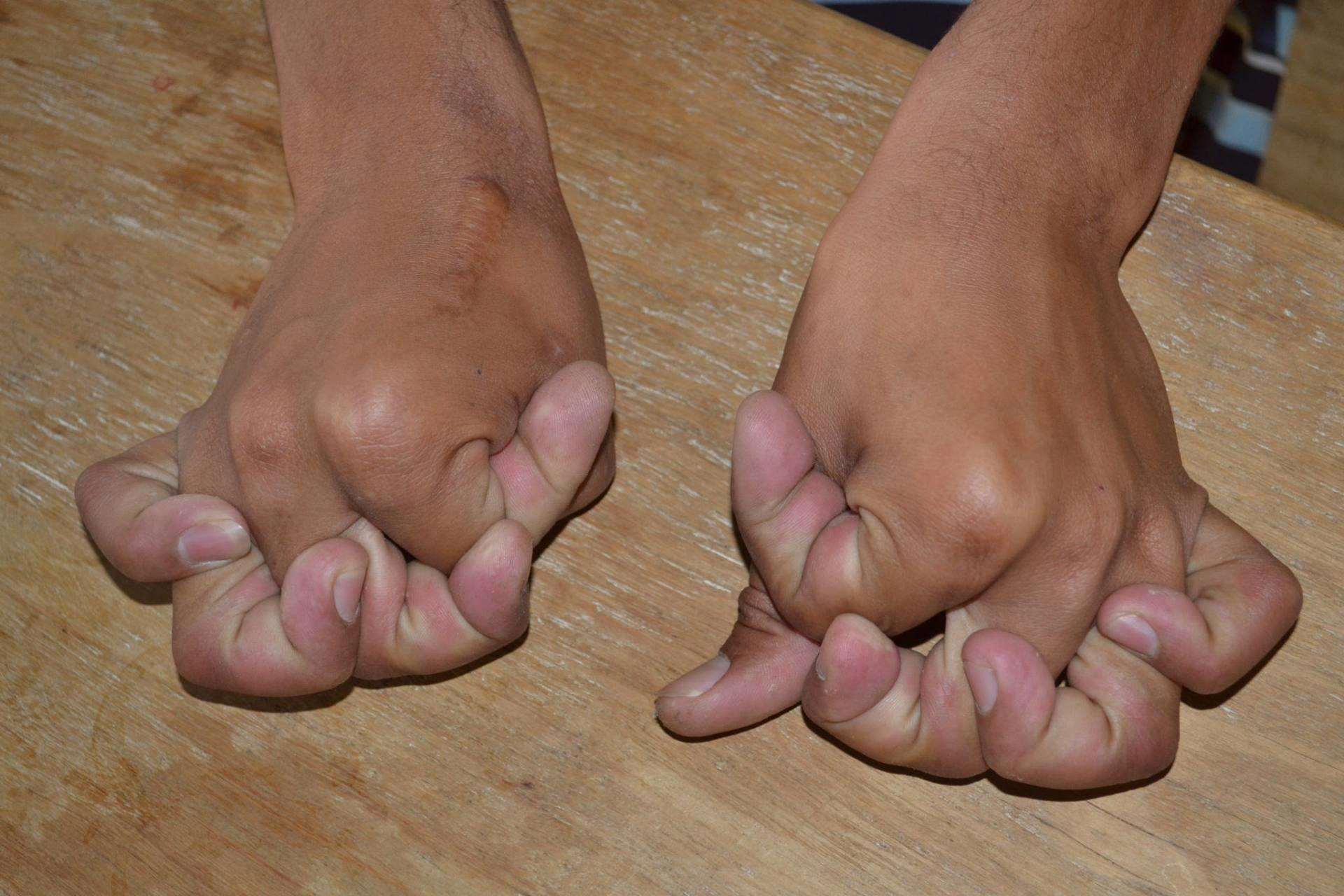 Bones and joints become hyperelastic with the disease (7 photos)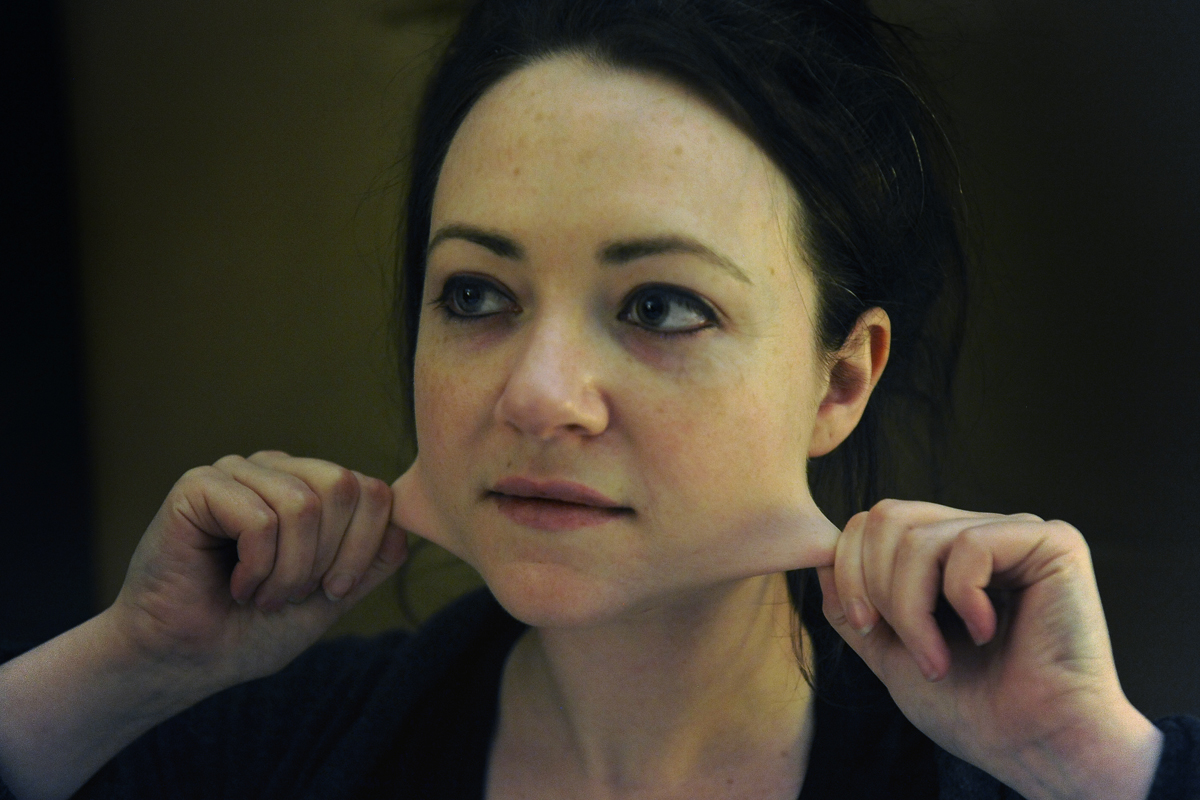
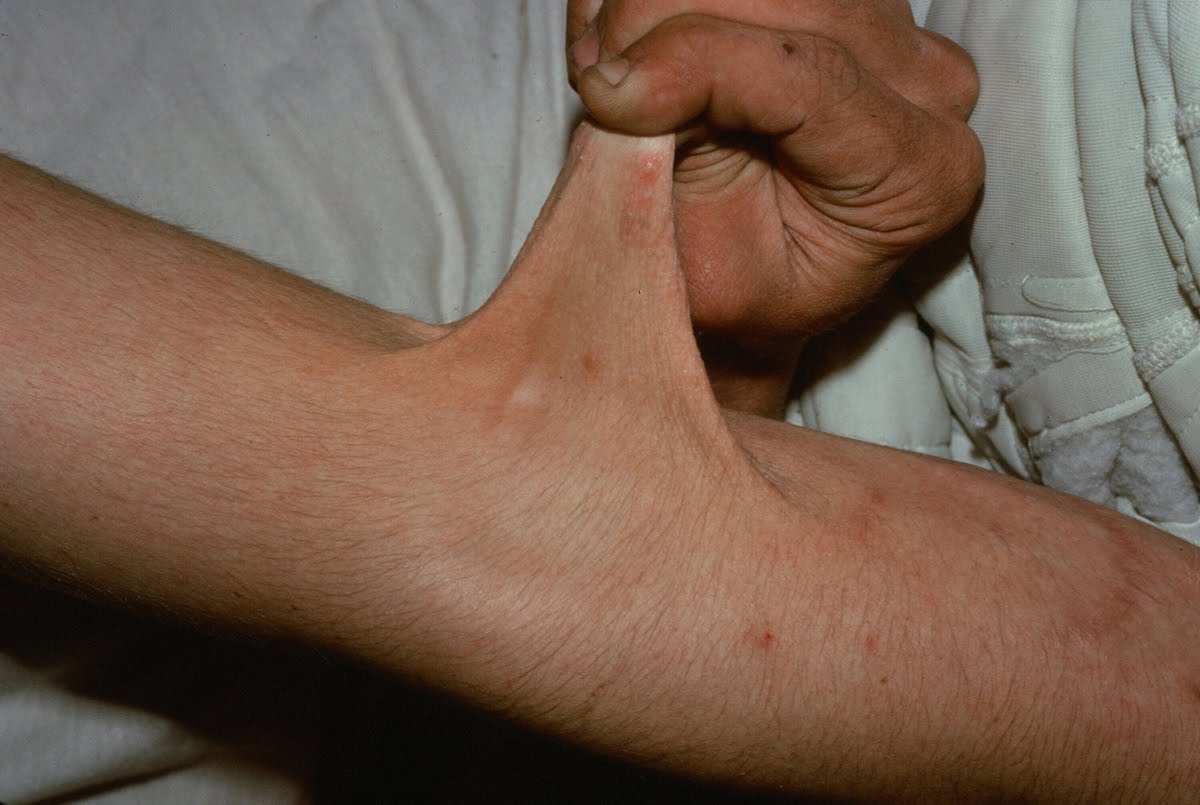 Ehlers-Danlos syndrome is a group of genetic diseases characterized by abnormal connective tissue.

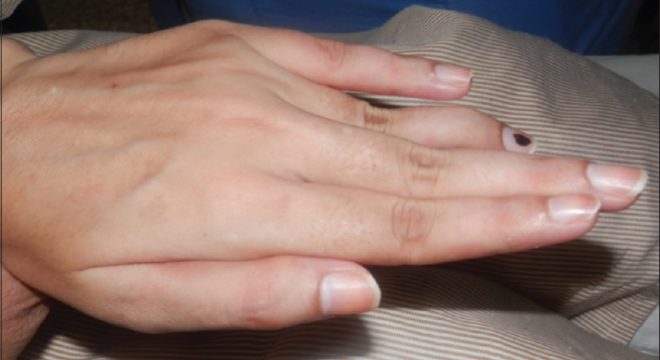
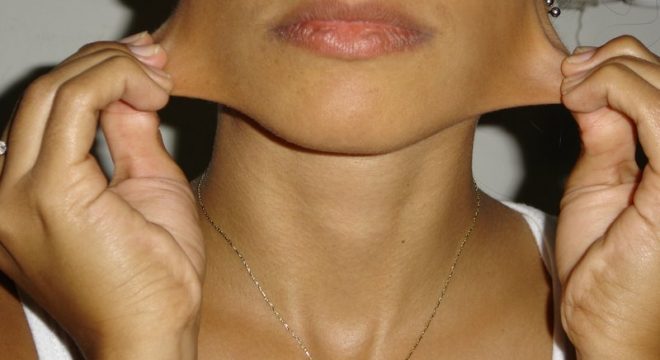
Symptoms can occur at any age, but are difficult to diagnose in young children due to the hyperexcitability of the joints. The clinical manifestations are very different. The primary manifestation is hyperelasticity of various joints and abnormal elasticity of the skin (see. photo above).
The patient's skin is tender to the touch, but there are numerous wrinkles on the feet and palms. In the case of Ehlers-Danlos syndrome, unnatural elasticity of the skin is observed from the early years of a person's life, as well as a decrease in such a deviation with age.
The lesions on the skin of people susceptible to the syndrome feel stronger and heal slowly, and in their place traces in the form of scars and tumors form.
Read also:Dyslexia
In addition to the hyperelasticity of the skin in those prone to Ehlers-Danlos syndrome, there is a strong hyperelasticity of the joints, both of a separate part of the body and of the whole organism.
Joints become incredibly flexible and to bend at unnatural angles from the moment a person begins to learn to walk, which often leads to injuries. The abnormal ability of joints to bend decreases with age.
Damage to the skeleton in the syndrome is a deformation of the chest in the form of an arc or semicircle.
As a result of the disease, scoliosis, clubfoot. With the skeleton, the location of internal organs is also disturbed, prolapse, the presence of various types of hernias, intestinal diverticulosis, pneumothorax, due to violation of the integrity of the pleura.
The presence of the syndrome leads to vision pathologies, among which there are:
- myopia;
- spontaneous retinal detachment;
- strabismus;
- rupture of the eyeball and cornea.
As for cardiology, children with Ehlers-Danlos syndrome have frequent bleeding and bruising.
Not excluded heart disease, varicose veins, mitral valve prolapse and cerebral aneurysm. There is usually no mental impairment in children with this disease.
Forms of Ehlers-Danlos syndrome
The disease takes many forms:
- Ehlers-Danlos Syndrome Type I (TYPE I EMF)
- Ehlers-Danlos Syndrome Type II (TYPE II EMF)
- Ehlers-Danlos syndrome type III (type III EMF and joint hypermobility)
- other forms (type IV - type X)
Type 1 Ehlers-Danlos syndrome occurs more often than others (40-50%). With this type of disease, symptoms predominate that affect the skin, the possibility of stretching which deviates from the norm by 2-2.5 times. This type is accompanied by external bleeding and varicose veins in the lower extremities, looseness of the joints of the body, deformation of the skeleton. Childbirth with this type of disease often occurs prematurely.
At Type 2 there are similar symptoms, but they are not so strong. Abnormal flexibility is observed only in the joints of the limbs, mainly in the feet and hands. The extensibility of the skin slightly deviates from the norm, the same with the violation of the work of the blood vessels.
Type 3 manifests itself due to autosomal dominant inheritance and is benign. Includes increased joint mobility throughout the body, deformation of the skeleton and muscle tissue, and minor manifestations of skin elasticity.
Rare and severe 4 type can be dominant and recessive. Differs in the presence, in patients with increased joint mobility in the fingers, spontaneous the occurrence of hematomas of internal organs and rupture of all types of vessels, which often leads to deaths.
5 type Ehlers-Danlos syndrome occurs due to X-linked recessive inheritance. It is characterized by moderately increased joint mobility, bruising, and increased skin elasticity and sensitivity.
6 type inherited in an autosomal recessive manner. In addition to bleeding, increased joint mobility and unnaturally elastic skin, it is characterized by an increase in muscle tone (muscle hypertension), as well as clubfoot and severe kyphoscoliosis, a large list of pathologies is revealed vision.
Read also:Symptoms and treatment of laryngitis in children
7 type, called arthroclasia, can be inherited in an autosomal dominant and autosomal recessive manner. In this type, people often experience injuries due to unhealthy joint mobility. Patients with this type of disease tend to be short.
8 type characterized by autosomal dominant inheritance, and to a greater extent it is characterized by sensitivity of the skin to external influences, as well as inflammation of the tissues surrounding the teeth, which leads to their early loss.
Based on the results of modern research 9 and 10 type Ehlers-Danlos syndrome is not included in the list of types of disease classification. They are characterized by autosomal recessive inheritance. In addition to the hyperelasticity of the skin, linear stripes are observed in places where the skin is most stretched.
There is also platelet aggregation and joint hypermobility. In those susceptible to the tenth type, congenital dislocations of the hip and constantly recurring dislocations of the shoulder joints and patella are often observed.
Diagnostics of the Ehlers-Danlos syndrome

It is better to trust the diagnosis of Ehlers-Danlos syndrome to an experienced person who specializes in this particular disease. It will be difficult for a doctor who is unfamiliar with Ehlers-Danlos to identify an ailment and even more so its features. This requirement is associated with the variety of individual manifestations of such a disease in each patient. There are many varieties of the disease, but there are characteristic features of its manifestation.
Unnatural elasticity of the skin is revealed by pulling the skin until resistance is felt. Areas for testing should be selected as neutral as possible, where the normal pull of the skin exceeds one and a half centimeters.
Among disease-specific syndromes there is hypermobility of the joints. Such a symptom determined by the Beyton scale, where 5 points means a deviation from the norm. This symptom, with age, is observed to a lesser extent.
The fragility of the articular joints is evidenced by spontaneously arising bruises. Along with this, long-term bleeding is possible.
Even with very weak external influences, various injuries appear, which leave atrophic traces of wounds in the form of scars and expand over time. Injuries take longer to heal with them than in healthy people.
A characteristic pathology of Ehlers-Danlos syndrome is mitral valve prolapse. This ailment is revealed carrying out Ultrasound of the heart.
Constant pain in the joints and limbs of the body is another manifestation of Ehlers-Danlos syndrome. With this sign x-ray may not reveal abnormalities, and the patient does not always understand from which part of the body pain is emanating.
From the Brighton scale, formal criteria are taken in order to diagnose Ehlers-Danlos syndrome. The original function of the Beyton scale was to diagnose hypermobility in the joints, but modern experiments show that that the syndrome of hypermobility of the joints and increased flexion of the joints in Ehlers-Danlos are similar diseases.
Beyton scale
Main criteria:
- 4+ points on the Beyton scale identified at the present time or earlier;
- arthralgia lasting for 3 months or more in 4 or more joints.
Secondary criteria:
- 1-3 points on the Beyton scale (and 0 if you are over 50);
- arthralgia in 1, 2, or 3 joints with the presence of painful sensations in the back;
- dislocations in one or more joints, or in one joint several times;
- more than 3 inflammations of soft tissues, rheumatism;
- marfanoid type of appearance (excessive thinness, tall stature, arachnodactyly);
- unusual scars and abnormal stretch and thinness of the skin;
- stretched eyelid skin or myopia;
- rectal prolapse, varicose veins, uterine prolapse, hernia.
Read also:Hydrocephalus (dropsy) of the brain in children: causes, consequences and methods of treatment
In order to diagnose "Ehlers-Danlos syndrome", you need to identify both main criteria, or 1 of major and any 2 minor, 4 minor criteria are also suitable for making a diagnosis.
When your primary relative is diagnosed with this syndrome, it will be enough for you to determine the presence of 2 secondary criteria.
Ehlers-Danlos Syndrome Treatment
To effectively eliminate Ehlers-Danlos syndrome, specific therapy has not yet been developed, but there are methods for treating the symptoms of this disease.
Drug therapy
In order to stabilize the work of the cardiovascular and nervous system, as well as to normalize the work joints, the musculoskeletal system, the integrity and elasticity of the skin use several options treatment:
- drugs in the form ascorbic acid, A, E, B vitamins;
- mineral complexes;
- growth hormone injections to stimulate growth;
- metabolic agents that stimulate the metabolism and regeneration of the skin, such as carnitine chloride;
- to stimulate brain activity are used neurometabolic stimulants;
- to maintain the integrity of the skeleton and connective tissues are used osteokea or osteogenon;
- the healing of the skin is promoted by drugs such as inosine, ATP, coenzyme Q10.
- is used taking part in the synthesis of cartilaginous and connective tissues glucosamine.
Surgical intervention
Surgery for Ehlers-Danlos syndrome should only be considered if life-threatening complications arise. Before surgery, careful invasive diagnostic procedures should be performed in order to assess the degree of threat and the need for surgery.
Among the surgical treatment of this syndrome, it may be necessary: removal of pseudotumors, correction of CHD, reconstruction of the chest wall, etc.
Complementary and alternative methods of treatment, including at home
Among the procedures are assigned:
- physiotherapy exercises and massage
- reflexology (impact on biologically active points of the body that are responsible for the work of its various systems)
- various physiotherapy procedures (for example, laser acupuncture)
A diet with increased protein intake is also prescribed. This diet contains consumption of bone broth and jellied dishes.
Prognosis for patients
There is no increased risk of early mortality, however, due to joint instability, chronic and acute pain syndrome, and symptoms manifested outside the musculoskeletal system, the patient's quality of life is serious worsens.
As mentioned above, there is no specific treatment. Individualized supportive and symptomatic treatments should be undertaken, including physical therapy, rehabilitation, analgesics, and appropriate therapy for extra-articular symptoms. Surgical measures should be considered wisely.