Streptoderma in children: photo how it starts, how to treat
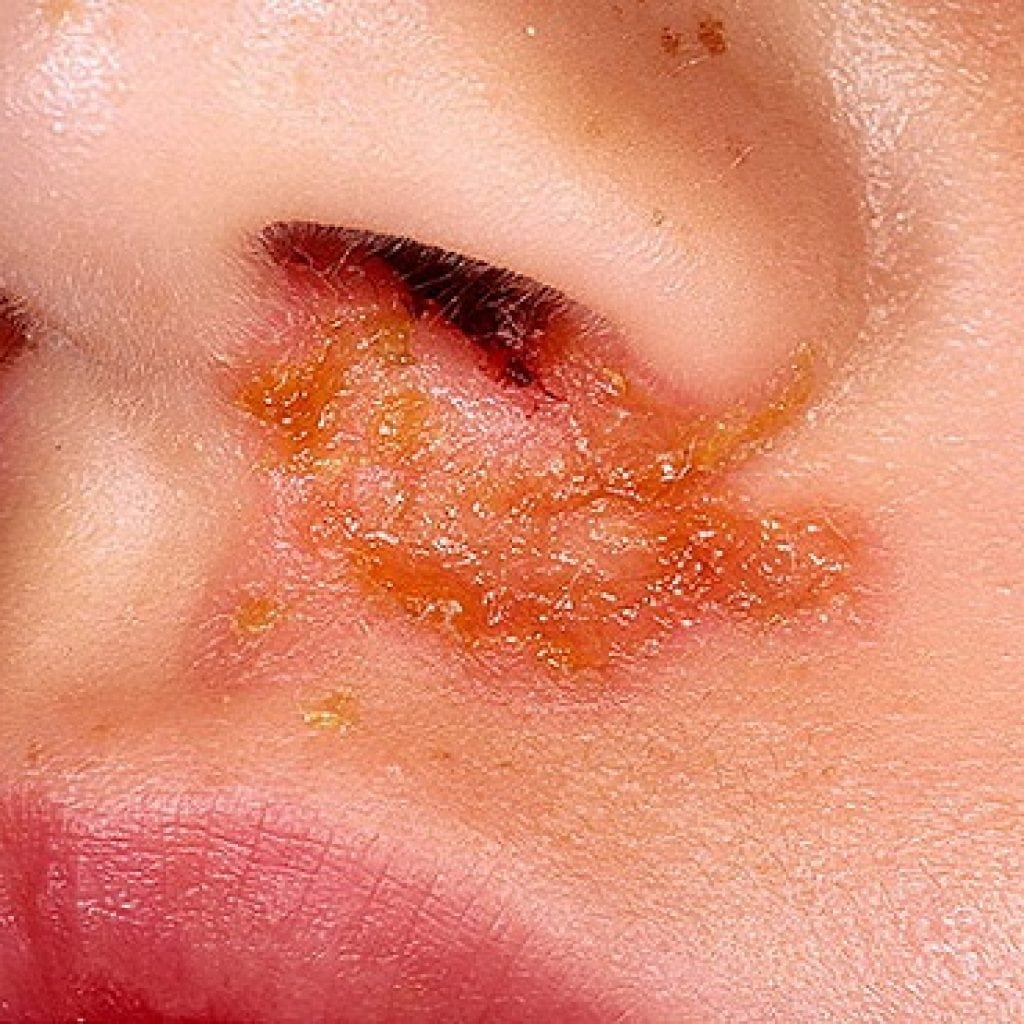
If you notice that incomprehensible spots began to appear in your child, which eventually form into bubbles, and after them there are wounds, then this is a serious reason to think about the occurrence of such a disease as streptoderma in children.
Content
- What is Streptoderma?
- Is a sick child contagious?
- How does this disease occur?
- Clinic and symptoms.
- General symptoms:
- How streptoderma is classified.
- How is this disease diagnosed?
- Treating the disease at home
- Medication at home.
- How to properly handle the affected areas?
- The consequences of this disease.
- What is the danger of this disease?
- Prevention.
- Related Videos
What is Streptoderma?
The disease is an infectious etiology, caused by hemolytic group A streptococci.
It was noted that children (kindergartens and schools) suffer from this disease more often.
If during the illness the child is in a team, it is possible that those who were in contact with the carrier of the disease could become infected.
Is a sick child contagious?
The contagiousness of this disease is
from 90 to 100%. Infected by direct contact (through the skin). In addition to a sick child, healthy people (carriers), any household item, etc., can also be a source of pyoderma.How does this disease occur?
The group of streptococci refers to parasites of opportunistic flora. Normally, healthy children and adults live on the skin. But when the protective functions of the body change (decreased immunity, extensive lesions, seeding with a large number of pathogenic microflora of wounds), the occurrence of this disease is inevitable.
The infection gets into damaged skin (wounds, abrasions, scratches, wounds) and multiplies further through the body. Over time, you can find the appearance of purulent inflammation on the child's skin.

One of the most important reasons for the development of Streptoderma in children are:
- abrasions;
- combs;
- microtrauma.
Susceptibility to the disease increases under certain conditions:
- Weakened immune system of the child (in childhood, it is not yet perfect and is not able to perform a full-fledged function - to protect the body from pathogenic microorganisms entering it);
- Diseases already present (in chronic or acute form);
- Lack of hygiene;
- Chronic fatigue, stress.
Clinic and symptoms.
Clinic of this diseases in children proceeds much more severely than in adults.
- The time from the moment of contact with the pathogen until the onset of clinical symptoms is on average up to ten days. Further, symptoms such as affected skin will come to the fore.
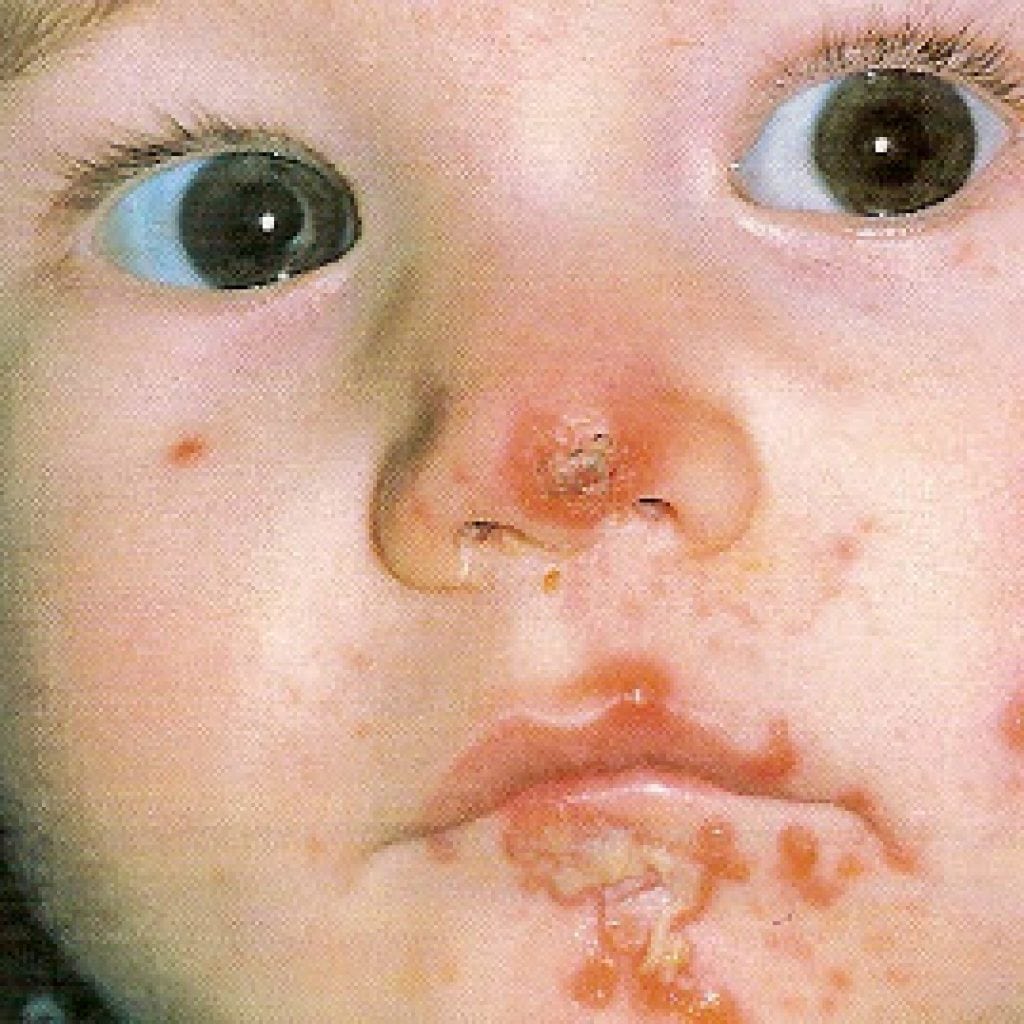
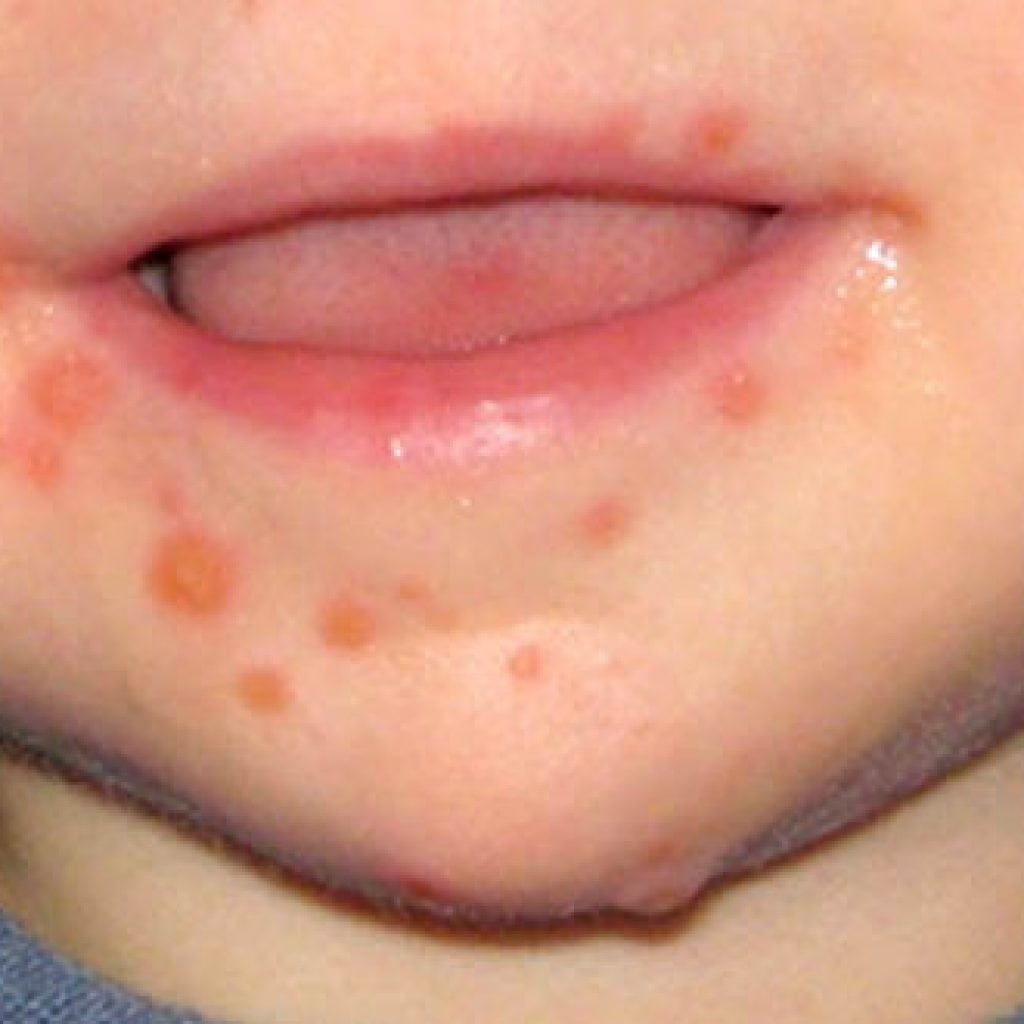
- When examining the child's skin, one can notice the appearance of single foci with inflammation. They resemble the appearance of bubbles, around which there is a clear rim. The size of the bubbles is up to 3 mm in diameter (in more severe cases, more than 3 mm). Purulent - serous content fills the bubbles.
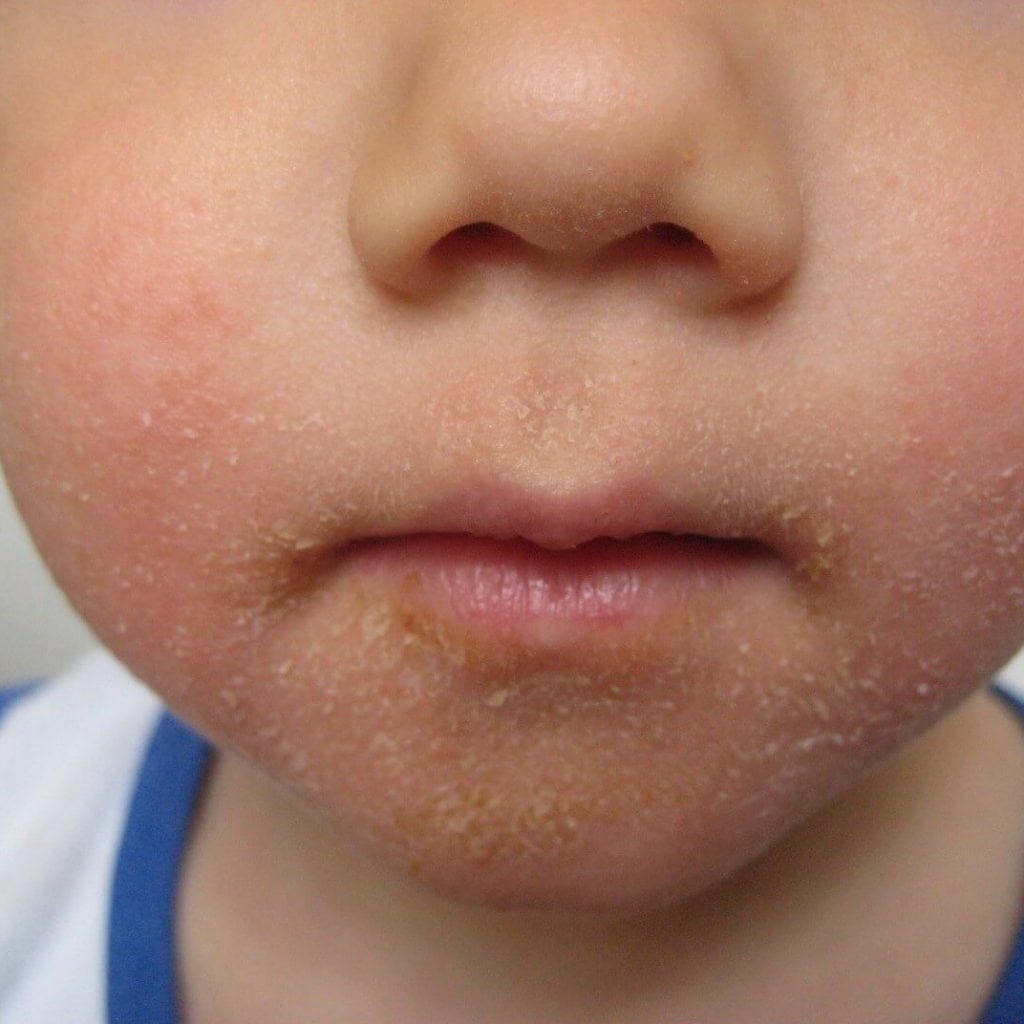
- At the beginning of the development of the disease, the formed primary elements are filled with a light liquid, after which it is purulent. After a day, the bubbles burst (or faster if the child begins to comb them), in their place you can see stained spots in the blue - red color.
Read also:Treatment and prevention of diphtheria in a child
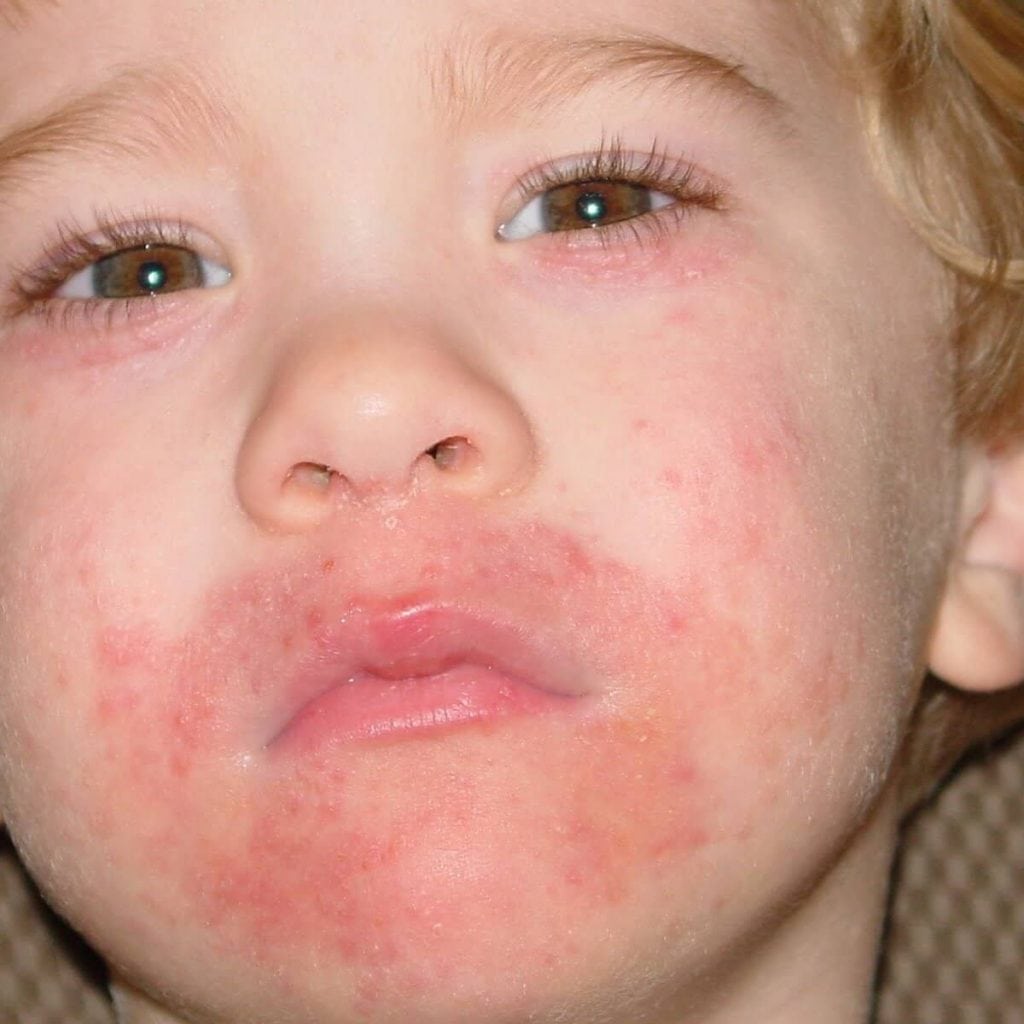
All symptoms can manifest as skin lesions. They are localized on the skin of the face, limbs, back or lower body.
On the face, this disease develops much more often, and this is explained by the fact that in children this place is more prone to injury (since it is not closed by anything).
A child can bring the pathogen onto the skin of the face even with the usual touch of his hand. The option is not excluded that a patient with Streptoderma can involuntarily scratch or crush the bubbles, the contents of which are smeared over the surface of the skin and creates conditions for further spread infections.
In addition to the face, the scalp is often affected. Streptoderma in children in this place also appears as blisters containing pus. The lesion site has uneven and indistinct contours. After the contents have opened, crusts form. Erosion begins to form under it. The child is experiencing severe itching and scratching the wounds.
Thus, it creates conditions for extensive contamination of the skin with streptococcus.
General symptoms:
- a sharp rise in body temperature up to forty degrees;
- general health worsens (dizziness, nausea, weakness);
- Lymphadenopathy (enlargement of the nodes of the lymphatic system).
How streptoderma is classified.
Depending on the severity of the disease, there are:
- streptococcal impetigo (the most common and severe form: appears on various parts of the body. Bubbles and crusts are formed. After they have disappeared, pigmentation remains);
- bullous impetigo (accompanied by a high rise in temperature up to forty degrees);
- ordinary lichen (it is characterized by the appearance of round spots, which eventually begin to peel off. The edges of the spots are indistinct);
- impetigo slit (one of the most easily occurring forms of this disease. Can be seen in corners of the mouth, eyes, nose);
- tournament (when the periungual areas are affected);
- ecthyma (concomitant disease in 90% of cases is diabetes. The area of the lower limbs and buttocks is affected. Not only the surface of the skin itself is affected, but also its deeper layers);
- in newborns, another group is distinguished: diaper rash (associated with contact dermatitis).
Depending on the condition of the child, the following degrees are distinguished:
- easy;
- medium;
- heavy.
How is this disease diagnosed?
If the above symptoms appear, you must first contact your doctor. Consultation with a pediatrician and dermatologist is required.
Streptoderma is diagnosed by the history of the disease, clinical examination, as well as laboratory tests to detect hemolytic group A streptococci.
Read also:Down syndrome: what does the extra chromosome carry?
When collecting anamnesis, you need to know 3 main answers to questions:
- Was there contact with the wearer?
- Have there been any wounds on the body lately?
- How often does the child get sick?
On examination, they focus on the presence of yellow crusts in the place where the bubbles were. Laboratory research plays a huge role in diagnostics:
- scraping of the area where the elements are located is necessary.
- LHC research (bacteriological) to identify the pathogen characteristic of this infection (in order to prescribe a full treatment).
Treating the disease at home
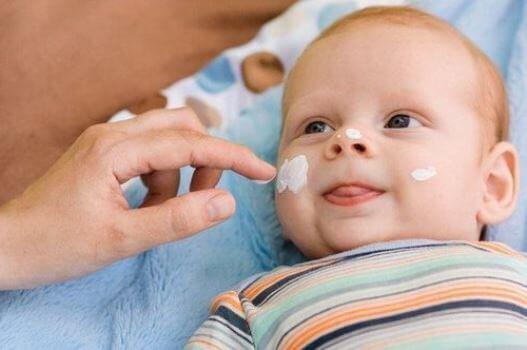
The goal of treatment is to prevent the pathogen from spreading further and to stop inflammation and itching, as well as destruction pathogenic microflora.
Treatment at home conditions must be carried out in stages:
- The bladder piercing procedure should be performed under sterile conditions. Before this manipulation, treat the puncture site with brilliant green.
- Further, drugs are used that have a drying effect on skin wounds.
- After a puncture, close the damaged area of the skin to prevent streptococcus from entering the body again and re-causing the disease. Avoid contact with water.
The following rules must be strictly adhered to:
- If the disease is in an acute period, the child cannot be washed or wiped off with a towel (since the affected areas can be damaged, and the infection can be spread further throughout the body).
- If children are concerned about itching, you need to be careful not to scratch the affected area. If necessary, antihistamines.
- For the entire period of treatment, the patient should have his own things for hygiene, as well as bed linen. When their change will be made, it is necessary to handle things des. solutions.
Attention! It is forbidden to give soft toys while the treatment is in progress!
Also, to remove inflammation and itching, traditional medicine recommends wiping the skin with a decoction of chamomile or calendula. The above rules are the maximum that you can give your child.
Remember: if there is a suspicion of a disease such as Streptoderma, the child must be brought for consultation to a pediatrician or dermatologist.
Medication at home.
- First of all, a nutritious diet rich in vitamins is prescribed. Rehabilitation of foci of infection is carried out, both in the parents and in the child.
- Antibacterial drugs from the group of penicillins and macrolides are prescribed.
- With a severe course of the disease, hormonal drugs are prescribed (for example, Triderm). The use of these drugs should be limited to a week.
- Antiseptics are used (for example, one percent hydrogen peroxide or salicylic acid).
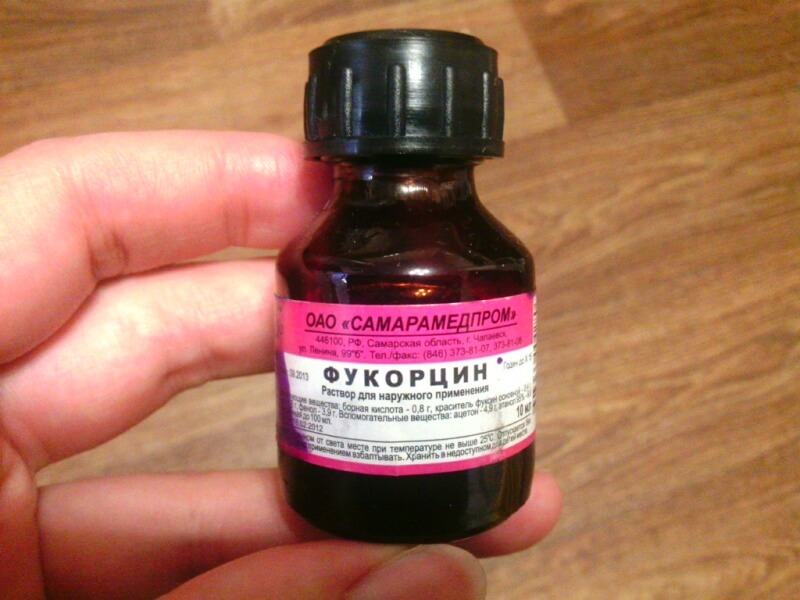
- If your child is very young, it is necessary to use Fukortsin.
- In the serious condition of the child, systemic treatment with antibacterial drugs is indicated (for example, Amoxiclav, Ceftriaxone, etc.).
- Chemotherapy is prescribed by treating the affected area with the light of a quartz lamp. When the child is completely healthy, it is recommended to start hardening procedures with him.
Read also:Perinatal encephalopathy (PEP) in children: what it is, causes, symptoms and treatment
The duration of treatment itself is determined by the condition of the child, the severity of the disease and its form. If the therapy is timely and adequate, then recovery occurs after two weeks.
If help is provided to children later, then the improvement may be noticeable only in the fourth week.
How to properly handle the affected areas?
Using a cotton swab dipped in an antiseptic, walk over the affected area. It is necessary to go ten centimeters behind the place of damage. Press time to dry. Then we apply the ointment.
The procedure should be performed four times a day. Do not cover the wound with a bandage.
The most beneficial effect on the skin is zinc preparations (ointment or talker).
The consequences of this disease.
Not provided treatment in time will lead to complications (the disease will begin to spread to healthy areas of the skin). Development of a chronic disease is possible.
With the progression of the disease, the kidneys, the vascular system, the brain, the respiratory system, etc., suffer.
What is the danger of this disease?
- The most dangerous and life-threatening complication that can be - sepsis.
In connection with the development of infective endocarditis, the patient's death or infectious - toxic shock, cerebral edema occurs. This condition is a medical emergency.
If the child has a decrease in blood pressure up to 80/60 mm Hg, hemorrhages appear on the body (blood under the skin), it is necessary to call an ambulance.
- Second place goes to scarlet fever in children and tonsillitis of streptococcal etiology.
Acute glomerulonephritis not the last place in the complication of streptoderma. Requires emergency medical attention.
- Third place, but insignificant is rheumatism (not only joints are affected, but also various organs and systems of the body).
Prevention.
First of all, you must adhere to the rules of personal hygiene. Monitor the health of your child: treat injuries, scratches, abrasions with antiseptics. The body's defenses should be increased: walks, sports, good nutrition, healthy sleep.
Children with Streptoderma are quarantined for up to ten days (in more severe cases, the period may increase two or three times).
Health is the most precious thing that parents can provide for their child. It is necessary from an early age to teach him the rules of hygiene, as well as precautions. After all, one accidental scratch can turn the life of one family into a nightmare.