
Eales disease: what is it, causes, symptoms, treatment, prognosis
Content
- What is Eales disease?
- Signs and symptoms
- Causes and risk factors
- Related disorders
- Diagnostics
- Standard treatments
- Forecast
What is Eales disease?
Eales disease (idiopathic peripheral retinovasculitis (periphlebitis)) is a rare vision disorder that manifests itself inflammation and white haze around the outer layer of veins on the retina (the inner lining of the eyeball, which perceives light). The disease is most common in young men and usually affects both eyes. Usually, vision suddenly becomes blurry because a clear jelly is released that fills the eyeball behind the lens of the eye (vitreous hemorrhage).
Signs and symptoms
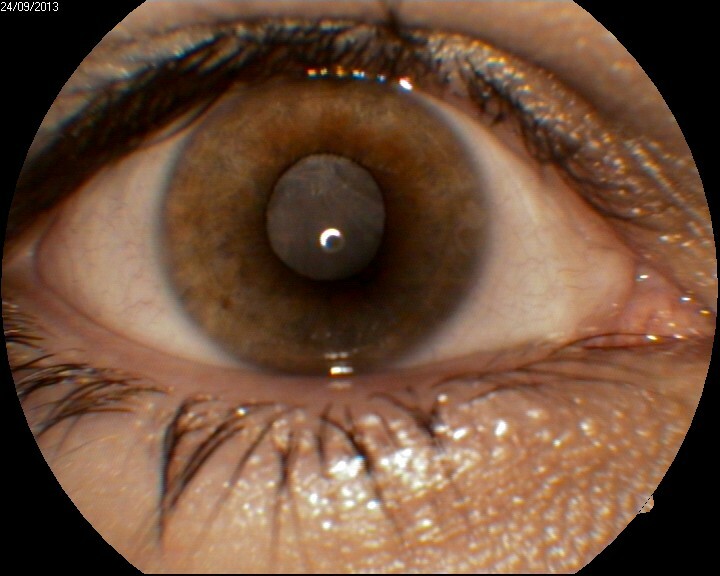
Eales disease usually manifests as blurred vision due to the oozing of a clear, jelly-like substance behind the lens of the eye. At the onset of the disease, encapsulation (covering) appears on the small external veins of the inner shell of the eyeball, which receives light (retina). As the disease progresses, inflammation around the retinal veins spreads further behind the lens. Eales disease can also be associated with peripheral retinal neovascularization, which is the formation of new blood vessels on the outside of the retina.
The more common cases of Eales disease are characterized by a non-inflammatory degenerative disease of the retina (retinopathy) and extensive retinal bleeding. The colorless jelly that fills the eyeball behind the lens leaks out of the retina (vitreous hemorrhage), and in rare cases, the retina may detach (flake off). Reddish discoloration of the iris (neovascularization of the iris) and loss of vision and damage to the optic disc (neovascular glaucoma). As the disease progresses, clouding of the lens of the eye may develop, preventing the passage of light (cataract).
Causes and risk factors
To date, no definite cause has been found for Eales' disease, and it is considered idiopathic.
The disease has been reported predominantly in India, although it has also been found in North America and Europe (rarely in modern times). Eales disease usually occurs in men in the second decade and is thought to be related to exposure to tuberculosis and hypersensitivity to tuberculoprotein.
Less commonly, the disease was associated with a pathology of the central nervous system (stroke, demyelination, Stilling-Türk-Duane syndrome), hematological disorders (pathological morphology of erythrocytes), vestibulo-auditory dysfunction and focal sepsis.
Related disorders
Symptoms of the following disorders may be similar to those of Eales disease. Comparisons can be useful for differential diagnosis.
- Arteriosclerotic retinopathy hints at a number of changes in the retina caused by hardening of the arteries (atherosclerosis) that serve the retina. Signs of this disorder are bleeding in the retina, thick fluid leaking from the retina, impaired oxygenation of the retina, and hardening of the walls with impaired vision.
Diagnostics
Diagnosis is based on fluorescein angiography, which may show early changes such as periphlebitis, peripheral retinal nonperfusion, and neovascularization. Wide angle angiography is useful for detecting peripheral retinal lesions. Ultrasonography is necessary to rule out associated retinal detachment, while optical coherence tomography produces high-resolution images of the retina.
Standard treatments
Treatment for Eales disease is symptomatic and supportive. The surgical process of tissue coagulation using a laser beam (laser panretinal photocoagulation) can be used to elimination of blood deficiency in the retina caused by vasoconstriction and to slow the excessive formation of blood vessels.
Hemorrhage from clear jelly that is behind the lens of the eye (vitreous humor) and retinal detachment may be helped by removing the dark disc and jelly-like substance behind retina.
Forecast
Isolated episodes of vitreous hemorrhage are usually located without visual impairment. However, some patients may experience significant loss of vision due to repeated episodes of hemorrhage in vitreous humor, macular changes, and traction or combined retinal detachment involving yellow spots. Blindness due to disease is rare. There are no known cases of mortality associated with the disease.
Andrey Zakirov/ article author
I am engaged in the prevention and treatment of coloproctological diseases. Higher medical education. On the site tvojajbolit.ru I will be responsible for the quality and literacy of articles.
Specialty: Phlebologist, Surgeon, Proctologist, Endoscopist.
More about the Author.


