
Batten's disease: what is it, symptoms, treatment, prognosis
Content
- What is Batten's disease?
- Causes
- Inheritance
- How are the forms of Batten's disease and NCL classified?
- Epidemiology
- Diagnostics
- Standard treatments
- Forecast (how many patients live)
What is Batten's disease?
Batten's disease Is the generic name for a wide class of rare, fatal hereditary diseases of the nervous system, also known as neuronal ceroid lipofuscinosis (NCL). In these diseases, a defect in a particular gene sets off a cascade of problems that interfere with the cell's ability to process certain molecules. The disease has several forms that share the same features and symptoms, but differ in severity and age when symptoms are just beginning to appear. Each form is caused by a mutation in a gene. Although "Batten's disease" originally referred specifically to juvenile NCL, the term Batten's disease is increasingly used to describe all forms of NCL.
Most forms of Batten's disease / NCL usually begin in childhood. Children with the disease often appear healthy and develop normally before they develop symptoms. Children with infantile or late infantile form usually develop symptoms earlier than at the age of 1 year. Common symptoms of most forms include loss of vision, seizures, delay and possible loss of previously acquired skills.
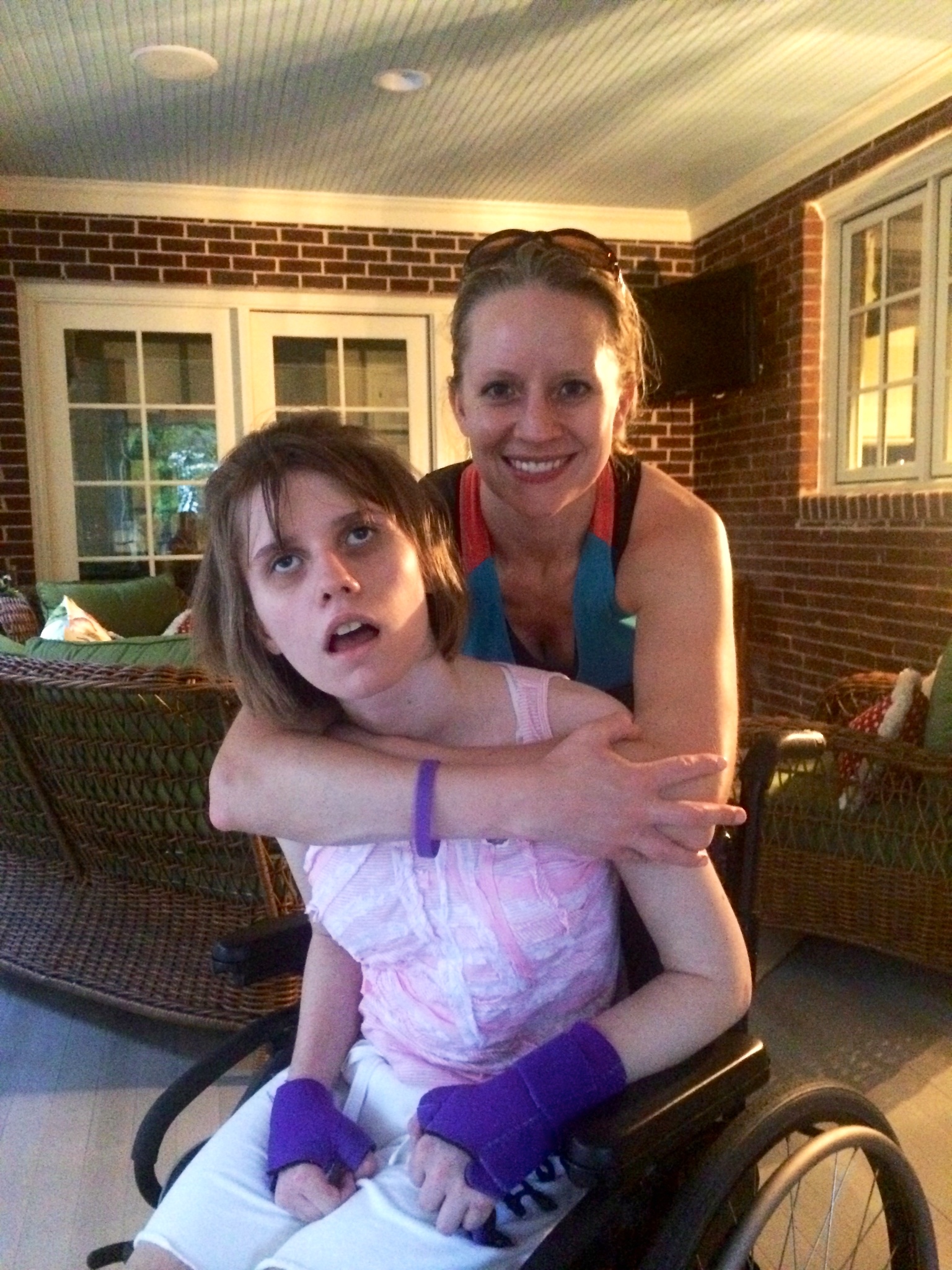
dementia and abnormal movements. As the disease progresses, children may develop one or more symptoms, including changes in personality and behavior, clumsiness, learning difficulties, poor concentration, confusion, anxiety, difficulty sleeping, involuntary and slow movement. Over time, affected children may suffer from worsening seizures and progressive loss of language, speech, intellectual ability (dementia), and motor skills. As a result, children with Batten disease go blind, wheelchair-bound, bedridden, unable to communicate, and lose all cognitive functions. Neuronal ceroid lipofuscinosis is incurable, but one form (NCL2 disease) has been approved by the US Food and Drug Administration (FDA). Section "Treatment").Children with all forms of Batten's disease have a significantly shorter life expectancy. Generally, the increased risk of early death depends on the form of the disease and the age of the child at the time of onset. Children with infant Batten's disease die prematurely, often in early childhood, while children with more advanced forms can live into adolescence and 30 years. If the disease develops in adulthood, symptoms are usually milder and may not affect life expectancy.
Causes
Batten's disease is an inherited genetic disorder that appears to affect the function of tiny bodies inside cells called lysosomes. Lysosomes are the “wastebasket” of the cell and regularly break down waste, proteins and naturally occurring fatty compounds called lipids, into smaller components that can be thrown out of the cell, or recycle. Lipids include fatty acids, oils, waxes, and sterols. In Batten disease / NCL, mutated genes do not produce the required amount of proteins important for lysosomal function. Each gene (representing a form of disease) provides information about a particular protein, which in turn is defective and not produced. These proteins are essential for brain cells (neurons) and other cells to function effectively. A lack of functional protein causes an abnormal accumulation of "junk" material in the lysosomes, as well as an abnormal accumulation of a residue called lipofuscin, which occurs naturally as part of lysosomal degradation lipids. It is not known whether lipofuscin itself is toxic, or whether its accumulation is a marker of impaired lysosomal function.
Inheritance
Humans usually have two copies of the same gene in their cells, one from their father and one from their mother. This means that in some cases cells have a "backup" system if only one copy is required for the cell to function properly. Batten's disease occurs when both copies (one from each parent) of a particular gene for the disease are defective. This is called an autosomal recessive disorder. People who have only one defective copy (carrier) do not develop symptoms and are usually unaware of their carrier condition. A rare exception may be for adults with NCL (see. below).
If both parents carry the same defective gene that causes NCL, the chance of having a baby with the condition is 1 in 4 during every pregnancy. At the same time, during each pregnancy, there is a 50 percent chance that the baby will inherit only one copy. defective gene, which will make the child a "carrier" just like the parent, since the normal copy will be inherited from the other parent. Carriers most often do not suffer from the disease, but can pass on the abnormal gene to their children in the same way they inherited it from their parents. Finally, the chance of a child inheriting two perfectly normal genes is 1 in 4.
Read also:Netherton's syndrome
At risk for any form of Batten's disease are children whose parents have Batten's disease, and children, parents who are carriers of the NCL gene that causes disease, but do not have a serious disease, if not at all suffer.
In adults, NCL / Kufa B disease can be inherited as an autosomal recessive disorder or, less commonly, as an autosomal dominant disorder. In autosomal dominant inheritance, the disease develops in everyone who inherits the defective gene for the disease, even if they have inherited a normal copy.
How are the forms of Batten's disease and NCL classified?
NCP disorders are classified by the gene that causes the disorder, although they are sometimes described by the child's age at the time of onset of symptoms. Each gene is called CLN (from the English. ceroid lipofuscinosis, neuronal) and has a number designation as a subtype. Due to different gene mutations, signs and symptoms vary in severity and progress at different rates. The disorders usually include a combination of vision loss, epilepsy, and dementia. Some forms of NCL:
- Disease CLN1, infantile onset.
Gene CLN1, found on chromosome 1, controls the production of an enzyme called palmitoyl protein thiosterase 1 (PPT1). (A chromosome is a thread-like structure that contains all the necessary genetic information and is located inside the nucleus of most human cells.) PPT1 protein deficiency or poor performance leads to abnormal accumulation of lipids and proteins. In the classic childhood form, symptoms appear before the age of 1 year and progress rapidly. Developmental skills such as standing, walking and speaking are not achieved or are gradually lost. Children often have seizures by age 2 and eventually go blind. By age 3, babies may become completely dependent on their caregivers, and some may need a tube to feed. Most patients die in early and middle childhood.
- CLN1 disease, juvenile onset.
In some children with CLN1 abnormalities, the disease develops after infancy - around the age of 5 or 6 years - and the disease progresses more slowly. Sick children can live into adolescence. Others may not show symptoms until adolescence, and patients may survive to adulthood.
- CLN2 disease, late infantile onset.
Gene CLN2, found on chromosome 11, produces an enzyme called tripeptidyl peptidase 1 that breaks down proteins. The enzyme is not active enough in CLN2 disease. The developmental delay begins at about the age of 2 years. Children develop seizures and gradually lose their ability to walk and speak. Brief involuntary twitching of a muscle or muscle group (called myoclonic twitching) usually begins between the ages of 4 and 5. By the age of 6, most babies are completely dependent on their caregivers and many require a tube to feed. Most children with CLN2 disease die between 6 and 12 years of age.
- CLN2 disease, late onset.
In some children with CLN2 abnormalities, the disease develops later in childhood - around the age of 6 or 7 years - and the disease progresses more slowly. With the later manifestation of CLN2 disease, loss of coordination (ataxia) may be the initial symptom. Sick children can live into adolescence.
- Disease CLN3, juvenile onset (age 4-7 years).
The disease is caused by a mutation in CLN3 a gene found on chromosome 16. The gene controls the production of a protein called batenin, which is found in cell membranes. Most children with CLN3 disease lack part of the gene, which in turn results in an inability to make protein. Rapidly progressive vision loss begins between the ages of 4 and 7. Children develop learning and behavioral problems, as well as a slow decline in cognitive function (dementia), and then seizures begin around age 10. During adolescence, children with CLN3 disease develop slow movements, stiffness, and loss of balance (also called parkinsonism). Patients have difficulties with speech and language. As they age, children and adolescents become more and more dependent on their caregivers. Most children with the mutation CLN3 die at the age of 15-30.
- CLN4 disease, onset in adults.
Also known as Type B Kufs disease, this very rare form usually begins in early adulthood (usually around the age of 30) and causes movement problems and early dementia. Symptoms progress slowly and CLN4 disease does not cause blindness. The disorder is due to mutations in a gene DNAJC5 on chromosome 20. The age of death varies among affected individuals.
- Disease CLN5, variant with late infantile onset.
This disease is caused by problems with a lysosomal protein called CLN5, the function of which is unknown. Gene CLN5 located on chromosome 13. In the first few years of life, children develop normally before they begin to lose skills and develop behavioral problems. Seizures and myoclonic twitching usually begin between the ages of 6 and 13. Vision deteriorates and eventually is lost. Children have learning problems, problems with concentration and memory. Some may need a feeding tube. Most children with mutations CLN5 live into late childhood or adolescence.
Read also:Restless legs syndrome
- CLN6 disease, late infantile onset variant.
Gene CLN6, located on chromosome 15, controls the production of the CLN6 protein, also called linklin. Protein is found in cell membranes (predominantly in a structure called the endoplasmic reticulum). Its function is undefined. Symptoms in children vary but usually appear after the first few years of life and include developmental delays, changes in behavior and epilepsy. Children lose their walking, playing and speaking skills over time. They also develop myoclonic twitches, sleep problems, and loss of vision. Most children with the CNL6 mutation die in late childhood or early adolescence.
- Disease CLN6, adult onset.
Also known as Type A Kufs disease, this form of CLN6 disease shows signs in early adulthood, including epilepsy, disability control the muscles in the arms and legs (resulting in lack of balance or coordination, or problems with walking) and a slow but progressive decline cognitive functions.
- DiseaseCLN7, late infant onset variant.
This disease is caused by mutations in the gene CLN7located on chromosome 4, which produces the MFSD8 protein, a member of a family of proteins called superfamily of key facilitators. This superfamily is involved in the transport of substances across cell membranes. As with all forms of Batten's disease, a gene defect results in inadequate protein production. Developmental delays begin after a few years in a normally developing child. Children usually develop epilepsy between the ages of 3 and 7, along with sleep problems and myoclonic twitching. Children begin to lose the ability to walk, play and speak as the disease progresses, with rapid progression of symptoms seen between the ages of 9 and 11. Most children with this disorder live into late childhood or adolescence.
- Disease CLN8 with epilepsy and progressive mental retardation disorders (EIPPD).
CLN8 the gene causes epilepsy with progressive decline in mental function. A gene located on chromosome 8 encodes a protein, also called CLN8, which is found in cell membranes - mainly in the endoplasmic reticulum (part of the garbage disposal mechanism cells). Protein function has not been established. Symptoms begin to appear between the ages of 5 and 10 and include epilepsy, cognitive decline, and behavioral changes. After adolescence, seizures usually become very intermittent. Some people experience loss of speech. Patients can live to adulthood. A very rare form of the disease is sometimes referred to as northern epilepsy syndrome because it occurs in certain families in the same region of Finland.
- CLN8 disease, late-onset variant.
Children between the ages of 2 and 7 develop symptoms that include vision loss, cognitive problems, imbalance, myoclonic twitching, and behavior changes. Children by 10 years of age develop treatment-resistant epilepsy and a marked loss of cognitive skills. Many children lose the ability to walk or stand unaided. Life expectancy is unknown; some children survived to the second decade of life.
- Disease CLN10.
This is a very rare disease caused by a mutation in the gene CTSDlocated on chromosome 11, which produces a protein known as cathepsin D. Cathepsin D is an enzyme that breaks down other proteins in the lysosome. The disease usually begins soon after birth, although it can occur later in childhood or into adulthood. Some children have microcephaly, an abnormally small head with a reduced brain size.
- With congenital seizures, seizures may occur before birth, but are difficult to distinguish from normal baby movements. After birth, babies may have seizures that do not respond to treatment, breathing problems that can progress to respiratory failure, and obstructive sleep apnea. The baby may die shortly after birth or during the first weeks of life.
- The late infantile form of the disease is characterized by a later onset of symptoms and a slower progression of the disease. As children age, children develop seizures and progressive problems with vision, balance, and intellectual skills. Patients may also have problems with coordination of muscle movements and problems with walking (ataxia), as well as very stiff muscles (spasticity). Children with the disease often die early in childhood.
Read also:Why is the disease of a retrocerebellar arachnoid cyst of the brain dangerous?
Epidemiology
It is not known how many people have Batten's disease, but some estimates put the incidence as high as 1 in 12,500 in some populations. Many other people can be carriers (see. below) a defective gene that can cause any of Batten's disease. Although Batten's disease is rare, childhood-onset variants are the most common neurodegenerative disorders of childhood. Sometimes Batten's disease occurs in more than one person in families with the defective genes.
Diagnostics
After individual and family history and neurologic examination, several tests can be used to diagnose Batten's disease and other neuronal ceroid lipofuscinosis. Currently, most diagnoses of Batten's disease are made by genetic testing. Possible diagnostic tests include:
- DNA analysis / genetic testing can confirm the presence of a mutated gene that causes neuronal ceroid lipofuscinosis, and can also be used for prenatal (before birth) diagnosis of this disease. Increasingly, NCL genes are included in commercially available epilepsy genetic panels that test multiple genes at the same time.
- Measurement of enzyme activity can be used to confirm or exclude CLN1 and CLN2 diseases.
- Blood or urine tests can identify abnormalities that may indicate Batten's disease. For example, elevated levels of a chemical called dolichol are found in the urine of many people with NCL, and the presence of abnormal white blood cells containing holes or cavities, called vacuolated lymphocytes, is common to some mutations diseases.
- Skin or tissue samples can show distinctive shapes formed by the accumulation of lipofuscin - some look like crescents and others like fingerprints when viewed under a special microscope. Lipofuscins also turn greenish-yellow when viewed under a microscope under ultraviolet light.
- Electroencephalogram (EEG) monitors brain activity using electrodes that are placed on the scalp. Patterns in the electrical activity of the brain suggest that the patient has epilepsy and some patterns, along with test results and medical history, can strongly indicate a specific type of illness Batten.
- Electrical eye examinations, which include visually-evoked responses (which measure the electrical activity in the brain generated by vision) and an electroretinogram (used to detect abnormalities of the retina) can reveal various eye problems associated with several NTSL. The greenish-yellow color of lipofuscin can sometimes be determined by examining the back of the eye. They are now less common because most diagnoses can be made with DNA testing.
- Diagnostic imaging using computed tomography (CT) and magnetic resonance imaging (MRI) can help doctors find changes in the appearance of the brain.
Standard treatments
No specific treatment is known to reverse the symptoms of any form of Batten's disease. In 2017, the FDA approved enzyme replacement therapy for the treatment of a CLN2 disease (TTP1 deficiency) called cerliponase alfa (Brineira®), which has been shown to slow or stop progression symptoms. There is no treatment that can slow or stop the progression of the disease in other neuronal ceroid lipofuscinosis.
Seizures can sometimes be reduced or controlled with antiseizure medications. Other medications are available to treat anxiety. depression, parkinsonism (stiffness and difficulty walking / performing tasks) and spasticity (muscle stiffness). Additional medical problems can be treated appropriately as they arise. Physical and occupational therapy can help patients with Batten's disease stay productive for as long as possible. Support groups can help affected children, adults and families share common problems and concerns, and cope with severe symptoms.
Forecast (how many patients live)
Over time, affected children lose their eyesight, suffer from intellectual disabilities, exacerbated seizures and progressive loss of motor skills. As a result, patients with Batten's disease are bedridden, require round-the-clock care, and die prematurely. The rate of development of symptoms and the duration of the course of the disease depend on the onset of symptoms (classic forms of Batten).
| THE FORM | AGE OF START | END OF LIFE |
|---|---|---|
| Infantile | 6 months to 2 years | Mid childhood |
| Late infantile | 2 to 4 years old | 8 to 10 years old |
| Juvenile | 5 to 10 years old | From late adolescence to early 20s |
| Adult | 25 to 43 years old | Normal life span |


