
Acne vulgaris: what is it, causes, symptoms, treatment, prognosis
Content
- What is acne vulgaris?
- Causes and risk factors
- Epidemiology
- Pathophysiology
- Histopathology
- History and physical signs
- Diagnostics
- Treatment
- Forecast
- Complications
- Postoperative and Rehabilitation Care
- Prophylaxis
What is acne vulgaris?
Acne vulgaris Is an inflammatory disease of the hairy part of the body, which has a chronic course and is self-limiting. Vulgar (youthful) acne (acne) is called Cutibacterium acnes in adolescence under the influence of normal circulating dehydroepiandrosterone (DHEA). This is very common skin diseasewhich can manifest as inflammatory and non-inflammatory lesions mainly on the face, but can also occur on the shoulders, trunk and back.
Causes and risk factors
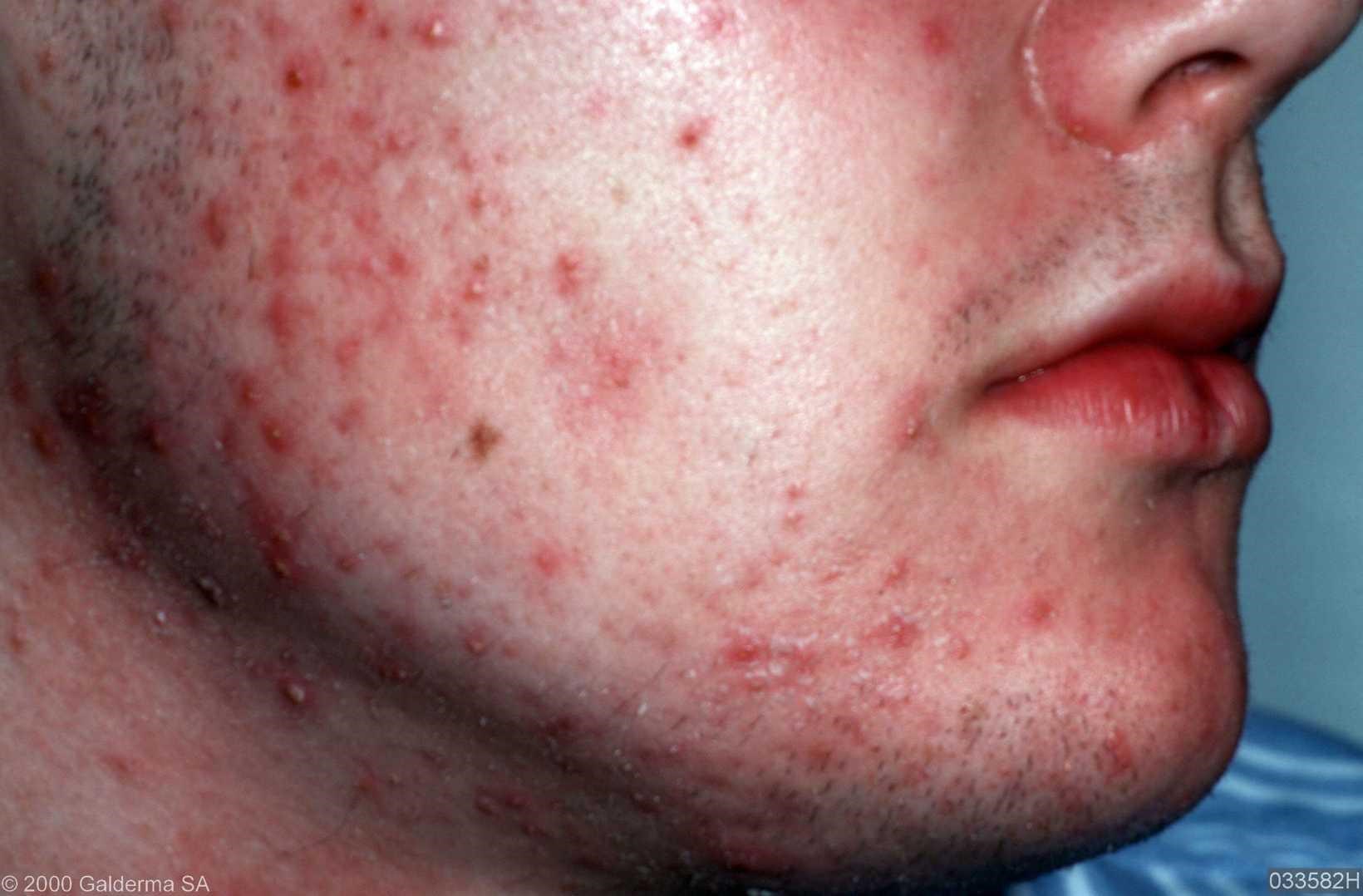
Acne vulgaris occurs due to the hypersensitivity of the sebaceous glands to the normal levels of circulating androgens, which is exacerbated by propionibacterium acne (P. acnes) and inflammation. The causes of acne include the following:
- Use of medications such as lithium, steroids, and anticonvulsants.
- Exposure to excess sunlight
- Wearing occlusive clothing such as shoulder pads, headbands, backpacks, and bras.
- Endocrine disorders such as polycystic ovary syndrome and even pregnancy.
- Genetic factors influence the percentage of branched fatty acids in sebum. Heritability estimates range from 50 to 90%.
Epidemiology
Acne can appear during adolescence and persist until the age of 30. Acne is more common in men than women. The urban population suffers more than the rural population. About 20% of affected people develop severe acne, which leads to scarring. Some races are more affected than others. Asians and Africans are prone to developing severe acne, but mild acne is more common in whites. In general, people with darker skin are also prone to developing hyperpigmentation. Acne can also develop in newborns, but in most cases it goes away spontaneously.
Pathophysiology
During puberty, under the influence of androgens, sebum secretion increases, since 5-alpha reductase converts testosterone into the more active dihydrotestosterone, which binds to specific receptors in the sebaceous glands, increasing production sebum. This leads to increased hyperproliferation of the follicular epidermis, therefore, sebum retention occurs. The stretched follicles rupture and release pro-inflammatory chemicals into the dermis, stimulating inflammation. C. acnes,Staphylococcus epidermis and Malassezia furfur cause inflammation and proliferation of the follicle epidermis.
Read also:Acne: causes and remedies
Factors that make acne worse include:
- Foods with a high glycemic number, such as dairy products (which also contain hormones), unhealthy foods, and chocolate, which induce insulin-like growth factors that stimulate follicular epidermal hyperproliferation.
- Oil-based cosmetics and facial massage.
- Premenstrual exacerbation of acne appears to follow edema of the pilosebital structures. This occurs in 70% of patients.
- Severe anxiety and anger can worsen acne, likely due to the stimulation of stress hormones.
Histopathology
With acne, an enlarged follicle is usually found with the formation of a keratin plug. In advanced cases, an enlarged follicle can be seen, as a result of which an open comedone is formed. When the thin wall of the follicle ruptures, bacteria and signs of inflammation can be evident. Large, traumatic acne can lead to fibrosis and scarring.
History and physical signs
Acne occurs in the central facial regions of the back, upper torso, and deltoid region. Acne is a polymorphic lesion that begins with comedones.
- 1st degree: Comedones. They are of two types: open and closed. Open comedones occur when the hairy opening is blocked by sebum on the surface of the skin. Closed comedones occur when keratin and sebum clog the hairy opening below the surface of the skin.
- 2nd degree: Inflammatory lesions in the form of small papules with erythema.
- Grade 3: Pustules.
- Grade 4: Many pustules coalesce to form nodules and cysts.
After healing, acne can leave a variety of scars, which can manifest as depressed scars or hypertrophic or keloid scars. The depressed scars can have a delicate outline (called a "boxcar") or "ice ax" marks, which are deep pits. Acne is associated with seborrhea, and in the case of hyperandrogenism - with hirsutism, black acanthosis, irregular menstrual cycle and weight gain.
Diagnostics
Acne vulgaris is diagnosed clinically. However, women of childbearing age should be asked if they have had hirsutism or dysmenorrhea history. If positive, testosterone, LH, FSH and DHEA levels should be reported.
Read also:Guttate psoriasis
Treatment
- Local therapy.
- Topical retinoids such as retinoic acid, adapalene, and tretinoin are used alone or with other topical antibiotics or benzoyl peroxide. Retinoic acid is the best comedolytic agent available as 0.025%, 0.05%, 0.1% cream and gel.
- Available for topical application are clindamycin 1% to 2%, nadifloxacin 1% and azithromycin 1% gel and lotion. Estrogen is used for grade 2-4 acne.
- Topical benzoyl peroxide is now available in combination with adapalene, which acts as a comedolytic as well as an antibiotic. It is used in 2.5%, 4% and 5% gel bases.
- Azelaic acid is an antimicrobial and comedolytic agent available as a 15% or 20% gel. It can also be used for post-inflammatory pigmentation.
- Beta hydroxy acids such as salicylic acid are used as a 2% topical gel or chemical peeling from 10% to 20% for seborrhea and comedonal acne, as well as pigmentation after healing acne.
- Topical dapsone is used for both comedonal and papular acne, although there are some problems with people with glucose-6-phosphate dehydrogenase (G6PD) deficiency.
- Systemic therapy.
- Doxycycline 100 mg twice daily as an antibiotic and anti-inflammatory drug because it affects the secretion of free fatty acids and thus controls inflammation.
- Minocycline in capsules of 50 and 100 mg is used once a day.
- Other antibiotics are sometimes used, such as amoxicillin, erythromycin, and trimethoprim / sulfamethoxazole, and if excessive bacterial growth or infection is disguised as acne, other antibiotics such as ciprofloxacin can be used for pseudomonas associated with "Acne".
- Isotretinoin is used at a dose of 0.5 mg / kg to 1 mg / kg body weight in a daily or weekly pulse mode. It controls sebum production, regulates scalp hyperproliferation and reduces inflammation by controlling P. acnes. It can cause dryness, hair loss and cheilitis.
- Oral contraceptives containing a low dose of estrogen of 20 mcg, together with cyproterone acetate as an antiandrogen, are used for severe recurrent acne.
- Spironolactone (25 mg per day) can also be used in men. It reduces androgen production and blocks the action of testosterone. When administered to women, pregnancy should be avoided as the drug may cause feminization of the fetus.
- Scars are treated with trichloroacetic acid, dermal roller, microneedling, or fractional CO2 laser.
Read also:Vitiligo (cutaneous disease)
Forecast
Acne vulgaris is not life threatening, but it does have psychosocial consequences for life. People with rashes and acne scars often experience anxiety and depression. Acne scars are almost impossible to fix. A Swedish study suggests that acne in adolescent boys may be a risk factor for developing prostate cancer later in life.
The overall prognosis of acne vulgaris with treatment is good.
Complications
Complications of acne vulgaris include:
- scars;
- depression;
- anxiety;
- social isolation;
- poor facial aesthetics;
- lack of self-esteem.
Postoperative and Rehabilitation Care
It has been suggested to change the diet to avoid recurrence of acne. Some experts recommend avoiding chocolate, spicy foods, unhealthy foods, and cola drinks.
One study found that a high-protein, low-glycemic diet reduced the risk of acne.
If the patient is being treated with spironolactone, electrolyte levels should be measured regularly.
Prophylaxis
Acne is inevitable, but it can be controlled by regularly washing your face with soap and rubbing your face with benzoyl peroxide and salicylic acid. Avoiding high glycemic index foods and / or dairy products is important. Stress management and early detection and treatment of underlying causes, such as polycystic ovary syndrome, helps control acne and prevent disfigurement.
List of sources:
https://emedicine.medscape.com/article/1069804-overview
https://www.ncbi.nlm.nih.gov/books/NBK459173/
Andrey Zakirov/ article author
I am engaged in the prevention and treatment of coloproctological diseases. Higher medical education. On the site tvojajbolit.ru I will be responsible for the quality and literacy of articles.
Specialty: Phlebologist, Surgeon, Proctologist, Endoscopist.
More about the Author.


