
Alcaptonuria: what is it, causes, symptoms, treatment, prognosis
Content
- What is alkaptonuria?
- Sign and symptoms
- Causes
- Epidemiology
- Pathophysiology
- Symptomatic disorders
- Diagnostics
- Treatment
- Forecast
- Complications
What is alkaptonuria?
Alcaptonuria Is one of the rare autosomal recessive genetic disorders that occurs as a result of a deficiency of homogentisate-1,2-dioxygenase (eng. homogentisate 1,2-dioxygenase [HGD]). The HGD gene is expressed in the liver, kidney, prostate, small intestine, and colon. This enzyme plays a role in the metabolism of tyrosine, which converts homogentisic acid to malate and acetoacetate. In the absence of HGD, homogentisic acid, produced in excess by the liver, is oxidized to an ochronotic pigment polymer. The accumulation of this pigment in various tissues leads to systemic disease. This process is called ochronosis.
Sign and symptoms
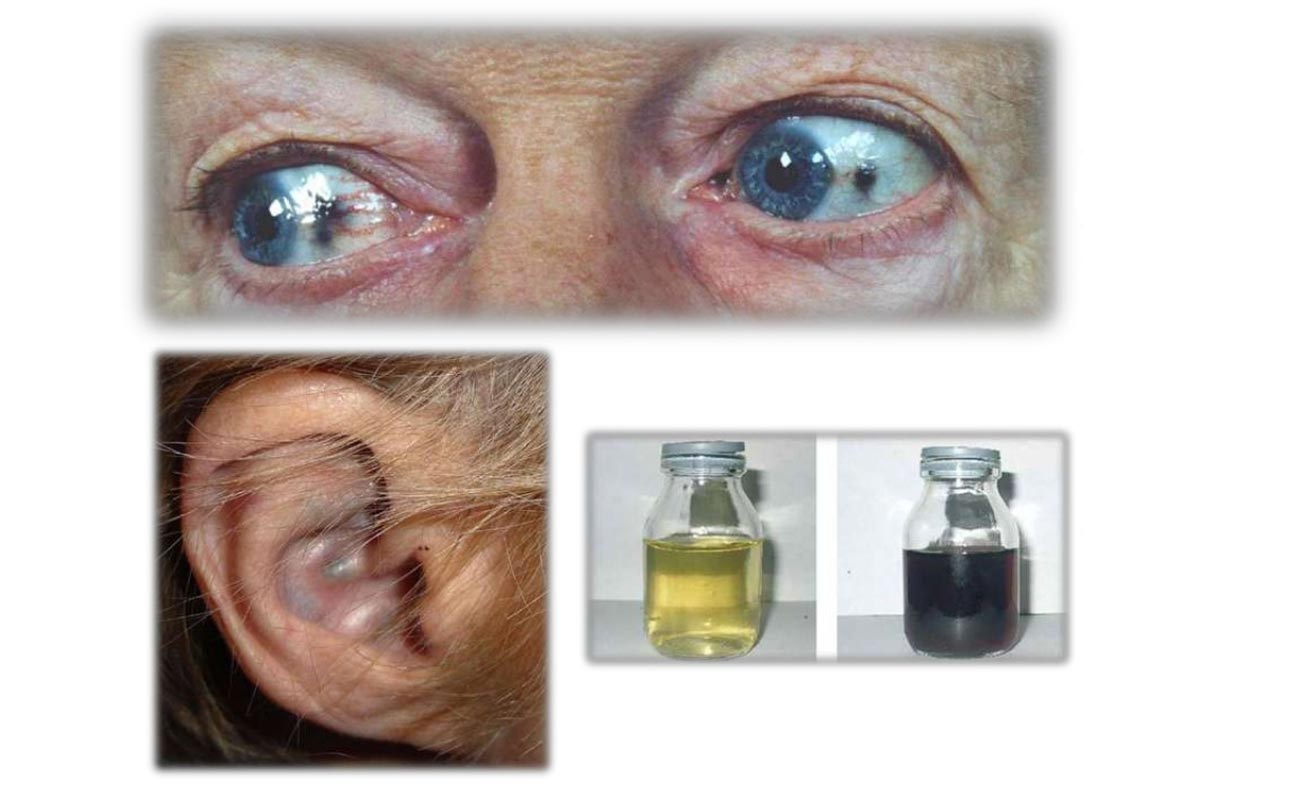
Alcaptonuria is a genetic disorder and patients have dark urine at birth. However, until adulthood, additional symptoms usually do not appear. Symptoms progress slowly. The urine of patients with alkaptonuria may be abnormally dark or may turn black with prolonged exposure to air. However, because this change often takes several hours, it often goes unnoticed. In infancy, diapers can be dyed black (due to exposure of urine to air), although this phenomenon is often overlooked or ignored.
The first noticeable signs and symptoms of alkaptonuria usually do not develop until about age 30 and are associated with chronic accumulation of homogentisic acid in connective tissue, especially cartilage. Patients develop a condition called ochronosis, in which connective tissue such as cartilage turns blue, gray, or black due to chronic accumulation of homogentisic acid. In many people, the cartilage in the ear can become thickened, irregular, and discolored to blue, gray, or black. Eventually, this discoloration can appear on the skin overlying the cartilage. In many cases, the whites of the eyes (sclera) are also discolored. However, this pigmentation does not interfere with vision.
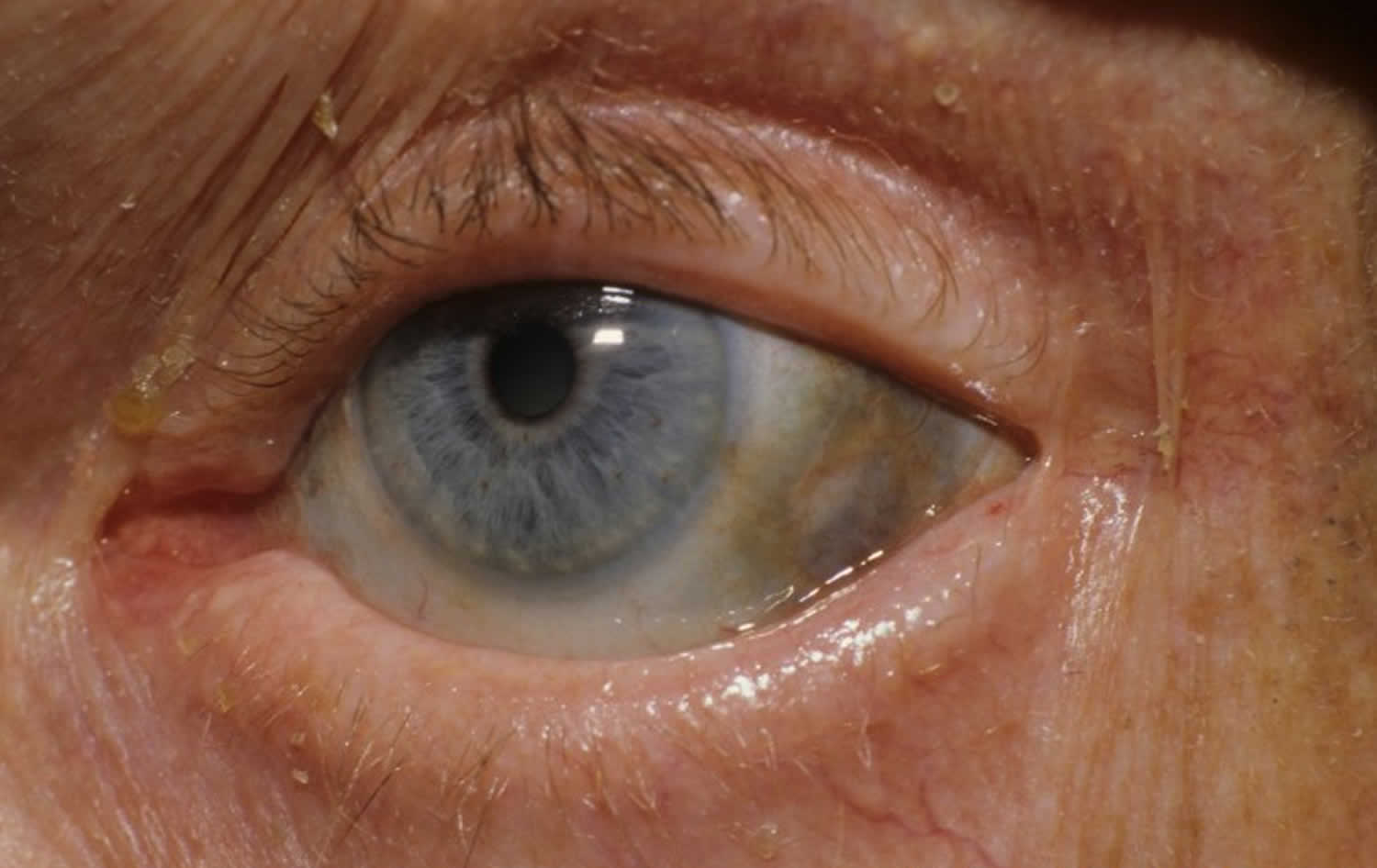
In addition to cartilage, homogentisic acid accumulates in other connective tissues, including tendons, ligaments, and even bones. Over time, the affected tissue becomes discolored, brittle and weak. People may develop abnormalities involving tendons, including thickening of the Achilles tendon and tendon inflammation (tendinitis). Affected tendons and ligaments can be especially prone to rupture. Over time, discoloration of the tendons can become noticeable on the overlying skin.
Long-term alkaptonuria leads to chronic joint pain and inflammation (arthritis), especially in the spine and large joints (ochronotic arthropathy). Arthritis can be severe and disabling. Low back pain and stiffness are common symptoms and are sometimes seen before the age of 30. The discs between the vertebrae flatten and calcify. Eventually, the vertebrae or other bones can heal, causing stiffness or stiffness in the affected joints (ankylosis). A spinal injury can lead to an abnormal curvature of the spine outward, causing it to slouch (kyphosis) and loss of growth. The hips, knees, and shoulders are also commonly affected. Joint mobility is usually reduced and fluid accumulates in the affected joints (effusion). Joint pathologies progress and may require joint replacement over time.
Read also:Mastocytosis
Less commonly, additional symptoms may occur with alkaptonuria. Although these symptoms are less common than the main symptoms of alkaptonuria, they are more common than would be expected in the general population. These symptoms include stones in the kidneysthat develop in 50 percent of patients over 64 years old. Men with alkaptonuria can also develop prostate stones. Passing these black stones can be extremely painful.
Some people may develop heart diseases due to the accumulation of homogentisic acid in the aortic or mitral valves. This congestion causes thickening of the valves and narrowing (stenosis) of the valve openings. Sometimes the narrowing is so severe that it is necessary to replace the aortic valve. The aortic valve connects the lower left chamber (main pumping chamber) of the heart to the aorta (main artery of the body). The mitral valve is located between the left upper and left lower chambers of the heart. Patients may develop valve calcification and / or reverse blood flow through the affected valves (regurgitation), which can lead to decreased blood flow throughout the body. Expansion (dilatation) of the aorta may also occur. In some cases, calcification of small blood vessels that supply blood and oxygen to the heart can also occur.
Alcaptonuria does not cause developmental delay or cognitive impairment and does not appear to affect life expectancy. However, chronic pain and mobility problems may develop.
Causes
Homogenisate 1,2-dioxygenase (HGD) is expressed in various tissues of the body, such as kidney, liver, small intestine. HGD plays an important role in the tyrosine pathway, converting homogentisic acid to maleyl acetoacetate. HGD is a 445 amino acid based protein mapped to chromosome 3q13.33. A mutation in the HGD gene leads to a deficiency of the HGD enzyme, which leads to the accumulation of homogentisic acid.
These mutations occur in specific parts of the exons. Normal HGD consists of six subunits called a hexamer, arranged in two trimers, each containing an iron atom. Various mutations can affect the function, structure, or solubility of the HGD. In rare cases, this genetic disorder can be transmitted in an autosomal dominant manner; in these cases, other defects in other genes are likely to be responsible.
Epidemiology
Alcaptonuria is a rare disease that is widespread throughout the world. The prevalence of alkaptonuria in the world is 1 in 100,000-250,000 people. Alcaptonuria affects men and women in equal numbers, although symptoms tend to develop earlier and become more severe in men.
Read also:Maple syrup disease
Pathophysiology
Homogentisic acid oxidase is involved in the metabolism of tyrosine and phenylalanine. Tyrosine is mainly needed for certain functions such as melanin, hormone and some proteins, but most of them are not used and finally produces acetoacetate and malate. In alkaptonuria, homogentisate-1,2-dioxygenase (HGD) cannot form 4-maleylacetoacetate from homogentisic acid; therefore, the level of homogentisic acid in the blood rises 100 times than normal, even if the kidneys are excreting a large amount. HGD is converted to benzoquinoneacetic acid, which produces polymers that match the skin pigment melanin. They accumulate in collagen. This deposition process is called ochronosis. Deposits of ochronotic pigment bind to the connective tissues of various organs, which leads to the destruction of joints, valves and intima of blood vessels.
Pathological effects of ochronosis include arthritis, increased incidence of education kidney stones, the prostate gland, gallbladder, rupture of muscles, tendons and ligaments.
Symptomatic disorders
Symptoms of the following diseases may be similar to those of alkaptonuria. Comparisons can be useful for differential diagnosis.
Ochronosis can also occur as a reversible acquired condition not associated with alkaptonuria. In such cases, ochronosis results from exposure to various substances, including benzene, phenol and trinitrophenol. People have also developed ochronosis after taking certain medications for a long time, including the antimalarial drug Atabrin®, the skin-lightening agent hydroquinone, or the antibiotic minocycline. Long-term use of carbolic acid dressings, which can be used to treat chronic skin ulcers, can also cause ochronotic skin changes.
Joint and spinal symptoms associated with alkaptonuria may mimic those associated with other medical conditions such as rheumatoid arthritis, ankylosing spondylitis and osteoarthritis.
Diagnostics
The diagnosis of alkaptonuria is made after identifying the characteristic symptoms, a detailed history of the patient, a thorough clinical assessment, and various specialized tests. Finding a significantly increased level of homogentisic acid in urine indicates alkaptonuria. Disease should be suspected in individuals with dark urine. However, since some people with alkaptonuria do not have dark urine, it may be advisable to rule out the disease in all people with osteoarthritis, especially those who develop symptoms early.
- Analyzes and visualization.
An increased amount of homogentisic acid in urine can be detected by gas chromatography-mass spectrometry. A variety of imaging techniques can be used to determine the presence and extent of joint and spine involvement or aortic or mitral valve involvement.
Read also:Galactosemia
Molecular genetic testing that can detect mutations in a gene HGDavailable on a clinical basis. However, this examination is not required to confirm the diagnosis.
Echocardiography may be recommended for people over 40 to identify potential cardiac complications such as enlargement of the aorta, calcification or regurgitation of the aortic or mitral valves. With echocardiography, sound waves are reflected from the heart (echo), allowing doctors to study heart function and movement.
Computed tomography (CT) may be recommended to detect coronary artery calcification.
Treatment
Treatment for alkaptonuria targets the specific symptoms that each person has. Patients with alkaptonuria often receive anti-inflammatory drugs to treat joint pain. In severe cases, stronger medications may be recommended. Pain treatment is tailored to the individual case of each person and requires long-term follow-up and adjustment.
Some people with alkaptonuria can benefit from physical therapy and occupational therapy to help maintain strength and flexibility in muscles and joints. Genetic counseling can be beneficial for those affected and their families.
Some with alkaptonuria require surgery. About half of patients with alkaptonuria will need hip, knee, or shoulder replacement, often by the age of 50-60. It is uncommon for people to require spinal surgery, including fusion and / or removal of discs. Surgery to replace the aortic or mitral valve may also be required. In some cases, chronic and painful kidney or prostate stones may require surgery or preventive therapy.
Dietary restrictions are usually ineffective. A strict restriction of protein intake is required, which is difficult for people to maintain over a long period of time. In addition, long-term severe restriction of protein intake may be associated with complications.
In older children and adults, high doses of vitamin C have also been used to treat alkaptonuria because vitamin C inhibits the accumulation and deposition of homogentisic acid. However, long-term use of vitamin C has generally been found to be ineffective, and there are no definite clinical studies on its effectiveness.
Activities that place significant physical stress on the spine and joints, such as intense sports or strenuous physical work, should be avoided.
Forecast
The disease does not affect life expectancy. However, it has a significant impact on the patient's quality of life; for example, many patients have experienced symptoms such as lack of sleep, pain and shortness of breath. These functions begin in the fourth decade of life.
Complications
- Calcification of the ear cartilage;
- Calcification of the lumbar discs;
- Severe arthritis;
- Tendon and ligament ruptures;
- Ankylosis;
- Amyloidosis;
- Aortic or mitral valvulitis.


