Pancreatic ultrasound preparation for the procedure
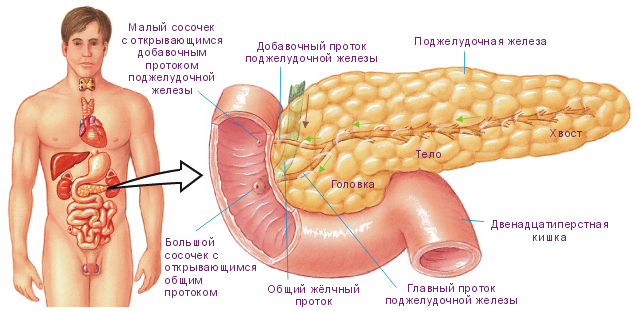
An important organ in the digestive system responsible for internal and external secretion is the pancreas.
It synthesizes important digestive enzymes that are actively involved in the digestion of incoming food. It also produces hormones that are responsible for metabolic processes.
Full or partial dysfunction of this organ leads to serious consequences for the entire gastrointestinal tract.
To identify the causes of the formation and the degree of damage to the pathological process, the attending physician prescribes an ultrasound examination.
How to prepare for an ultrasound of the pancreas in order to obtain accurate research data?
In the absence of preparatory measures before ultrasound, incorrect data may turn out, according to which it will be difficult to diagnose, to assess the degree of development of pathology.
This will lead to the appointment of the wrong treatment, which entails dangerous health consequences and complications.

Content:
- 1 Indications for the procedure
- 2 Contraindications
-
3 Preparatory activities
- 3.1 Stage 1
- 3.2 Stage 2
- 3.3 Stage 3
- 4 Ultrasound examination
- 5 What is required
- 6 Useful video
Indications for the procedure
Ultrasound of the pancreas, preparation for which is required, is prescribed in almost all cases if the patient has gastrointestinal disorders.
Moreover, all of them are accompanied by this symptomatology:
- Painful sensations of an aching or acute manifestation in the epigastric region or in the region of the right hypochondrium.
- Stool is disturbed, constipation forms and diarrhea opens.
- The patient's feces contain multiple fragments of undigested food.
- The feces become oily and greasy. This indicates that the fat content is too high.
- Nausea appears, vomiting opens.
- The patient has an aversion to fatty foods, fatty foods, alcoholic beverages.
- The patient's skin turns yellow. This color is acquired by the sclera of the eyes. Both signs characterize obstructive jaundice.
A diagnostic study of ultrasound of the pancreas is carried out, preparation for which takes place in several stages, even in cases of suspicion of certain diseases after the patient has been examined by a doctor.
The doctor carefully examines the clinical picture of the pathology, examines the patient, if any suspicions of a certain disease arise, this study is assigned.
What diseases are we talking about:
- Pancreatic hematoma.
- The presence of gallstone disease.
- Formation of a cyst in the pancreas.
- The presence of pancreatitis.
- Malignant neoplasms.
- The presence of cholecystitis.
- The appearance of papillitis.
- Inflammatory process in the duodenum.
Before any surgical intervention in the abdominal cavity, an ultrasound scan is required.
Peritoneal injuries should also be examined in detail using ultrasound.
This measure is necessary in order to identify violations or damage to internal organs or to confirm their integrity.
With the help of this study technique, it is possible not only to study in detail the state of the organ, regarding its size.
This allows you to determine the disease, the presence of pathological processes, possible unpleasant consequences in the form of complications.
During the examination, the attending physician examines in detail the gallbladder, liver, and kidneys. In case of any disorders of the pancreas, first of all, these digestive organs suffer.
Contraindications
This technique allows for the study of internal organs in various kinds of pathologies.
It is completely safe and very effective. But there are a number of cases when it is impossible to carry it out.
For these reasons, the following contraindications are distinguished:
- The research procedure is carried out using a special gel. It is applied to the surface of the abdominal cavity, which ensures easy sliding of the apparatus. The presence of an allergic reaction to the composition of this substance is a serious contraindication for this type of diagnosis.
- In a serious condition of the patient, especially with necrosis or abscess, when there is a risk of death, ultrasound is not performed.
- A high degree of obesity is also a contraindication.
- Pyoderma is another condition under which ultrasound cannot be performed.
- Viral skin lesions such as herpes are a significant contraindication for the procedure.
- With diseases of the skin of an infectious nature. These include leprosy, tuberculosis.
- Systemic pathologies are also referred to as contraindications. This is HIV and syphilis.
- If the abdominal cavity is damaged in the form of cuts or other wounds, the procedure is not performed.
- The presence of fistulas in the upper abdominal cavity.
Preparatory activities
To answer the question of how to prepare for an ultrasound of the pancreas, it is important to divide all activities into 3 stages.
The first one involves preparing a few days before the procedure (2-3 days). The next step is the second stage, which is performed 24 hours before the start of the examination. The third - on the day of the diagnosis.
Stage 1
For the most reliable data when examining the pancreas, they provide rest for the organ, removing unnecessary load from it.
The gland should not produce too many digestive enzymes, which means that it is necessary to abandon those foods that provoke the secretion of secretions.
Preparation for ultrasound of the liver and pancreas provides for the correction of the diet.
Any disturbances in the digestive system or exacerbation of pathological processes can affect the results of the examination.
For these purposes, it will be necessary to adjust the diet in favor of healthy foods, excluding all unhealthy foods.
Particular attention is paid to fatty, fried spicy, smoked food. Such products should be completely excluded from the menu.
This list also includes those that can cause increased gas production, flatulence, and bloating. What products are we talking about:
- Beans.
- Alcoholic drinks.
- Vegetables (steamed, fresh and boiled).
- All fried foods.
- Parsley, dill, green onions.
- Fatty meat (lamb, pork).
- Melon.
- Grape.
- Spices.
- Black bread.
- All dairy products and whole milk.
- Sparkling mineral water and other carbonated drinks.
Preparation for the procedure necessarily involves the rejection of excessive protein foods. These include cottage cheese, fish, cheeses, and more.
They are also capable of leading to increased gas production, which is contraindicated before the study.
At the time of the ultrasound examination, the pancreas should be at rest.
How to prepare for an ultrasound scan of the pancreas and how to eat properly during this period of time, more on this.
Recommended list of foods to eat:
- Prepare porridge in water, you can cook oatmeal.
- Lean meats. These include chicken, veal, beef, rabbit and turkey. Before use, be sure to remove the skin.
- Steamed omelets or boiled eggs are allowed. The daily rate should not exceed 1 egg per day.
- Purified non-carbonated water and herbal teas are used as a drink.
There are certain rules for eating food. The following guidelines should be followed:
- All hot and cold meals and drinks are excluded. The ideal option would be the room temperature of the food you eat.
- They prefer fractional meals. This means that meals should be frequent (5-6 times), and the amount of food consumed at one time is minimal.
- Eating food before bed is contraindicated.
All the proposed measures will allow you to qualitatively examine the pancreas, gallbladder and liver.
Any irregularities in the diet will lead to an exacerbation of the disease, which will lead to incorrect diagnostic results.
Stage 2
Preparation for ultrasound of the liver and pancreas at this stage is carried out 24 hours in advance before the procedure.
Patients are prescribed enterosorbents. This technique is also applicable in cases where special dietary food has been violated. This leads to internal disorders that need to be stopped.
Reception of enterosorbents relieves of increased gas formation, flatulence, bloating.
Due to the positive changes in the gastrointestinal tract, the data obtained during the examination will correspond to reality.
What kind of medications are prescribed:
- Activated carbon. The dosage of the drug should be calculated on an individual basis, since it directly depends on the patient's body weight.
- Enteros-gel.
- Espumisan.
The last meal is taken 14 hours before the start of the procedure. In addition to these measures, the intestinal cavity must be emptied.
A full bowel can also have an impact on getting data on a survey. Therefore, it is very important to cleanse the feces from the rectum.
In the absence of bowel movements, you can put a cleansing enema or use various rectal suppositories, microclysters.
Otherwise, there will be stagnation of feces in the intestines, which will lead to fermentation.
Stage 3
The final stage of the preparatory measures before the diagnostic ultrasound examination will be the refusal of any food and drink.
These activities are required to be performed 14 hours before the start of the ultrasound. One of the important conditions during the procedure is an empty stomach.
Not all patients can afford it due to multiple pathologies. One of these is diabetes mellitus.
This category of people can eat foods rich in carbohydrates and low in protein and fat.
In addition to medical fasting, the patient must completely abandon all bad habits. Any medication at this stage should only be administered intravenously, intramuscularly, or under the skin.
Before starting diagnostic studies, you need to learn in detail about the clinic where the procedure will be carried out.
It is imperative to take care of your personal hygiene. If the healthcare facility does not provide disposable wipes and shoe covers for patients, you should take care of this yourself.
You can purchase the entire set at the pharmacy. It includes a disposable diaper that is spread over the couch.
Upon completion of the procedure, the remains of the gel will remain on the surface of the abdominal cavity. They will need to be removed from the skin. For these purposes, wet wipes are required.
Ultrasound examination
The procedure itself is extremely painless. After all the preparatory activities, you need to lie on your back, comfortably sitting on the couch. The arms and legs are straightened along the entire body.
Performing this action is extremely important, since during an ultrasound scan, the adjacent digestive organs will also be examined, which can block access to it.
Preparatory measures play a special role. Adhering to the correct diet, following all the doctor's recommendations, the diagnostic study will be more accurate.
The more accurate they are, the faster and more correct the diagnosis will be. Accordingly, the doctor will be able to prescribe the correct treatment faster.
The duration of the examination is no more than 25 minutes. During this time, a specialist can assess the condition of all organs of the epigastrium. The method of therapy will depend on the correct diagnosis.
In what cases is it assigned:
- When scar tissue is found.
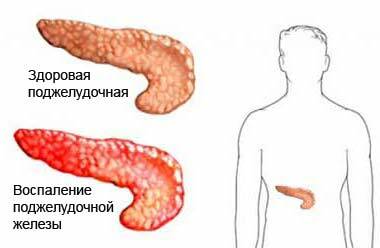
- With a noticeable decrease in organ size. This is a clear sign of the development of the inflammatory process.
- The organ is enlarged. This sign indicates the development of pancreatitis.
- Various neoplasms were found. These include a cyst or polyp.
- With changes in echogenicity. This may be due to the development of acute or chronic pancreatitis.
What indicators can be considered normal:
- The size of a healthy organ is determined by the following criteria: the thickness is no more than 2-3 cm, the length can vary from 14 to 18 cm. The organ is 3-9 cm wide.
- A healthy organ is distinguished by color. Its color is gray-pink.
- The structure of the tissues is homogeneous.
- The image of the organ should be bright and clear.
- On the study, you can easily see all the details of the organ.
- The liver, spleen and pancreas are located close to each other.
Provided that all of the listed signs are present, the results of organ studies can be considered favorable.
What is required
There is a specific list that you need to take with you for diagnostics. What it includes:
- Direction. Ultrasound examination is carried out only in the direction of the attending physician. Before that, the doctor discusses in detail all aspects of the event, gives important advice and recommendations regarding preparation. In the direction itself, data about the patient, his alleged diagnosis must be indicated.
- Medical Card. To make an accurate diagnosis, in addition to ultrasound, it will be necessary to conduct a number of additional studies using instrumental diagnostics. All this is recorded in the patient's medical record. This also includes laboratory tests.
- If ultrasound examinations of the organ were previously conducted, these data must be recorded. Based on the results of previous diagnostics, a conclusion will be made about the method of treatment.
- A special medical hygiene kit that can be purchased at the pharmacy. It includes a disposable towel and wet wipes to remove residual gel after the procedure.
For an easy procedure, you should definitely take care of your clothes. It should be light and free.
There should be no restriction of movement, the doctor should carry out all the necessary manipulations without any special difficulties that tight clothing can create.
Since it was required to observe therapeutic fasting before the procedure, it is recommended to take a light snack with you to the hospital.
Upon completion of the procedure, the patient can lead his usual way of life. It is contraindicated to abruptly withdraw from the dietary diet.
This should be done gradually so as not to harm the entire digestive system. Consumption of fatty, fried and smoked foods at the same time is prohibited, especially with large quantities.
With the results of an ultrasound examination, which he receives immediately after its conduct, it is required to go to his attending physician.
The doctor will carefully examine them, compare them with previous results and other diagnostic examinations.
Based on the data received, he will make an accurate diagnosis, and then prescribe treatment. When making a diagnosis, the clinical picture and the results of laboratory tests must be taken into account.