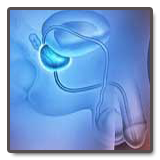
Neurogenic bladder

A neurogenic bladder is a violation of urination, which occurs due to damage to the nervous system. This disease, which affects the bladder, can not be regarded as an independent disease. It is a collective syndrome that combines state appearing in connection with acquired or congenital lesions at different levels of neural pathways centers that innervate the bladder and provide a function of an arbitrary urination.
Causes of neurogenic bladder
Neurogenic bladder occurs in people for many reasons, eg, inflammatory and degenerative diseases and spinal cord and brain tumor, tuberculoma, cholesteatoma, encephalitis, alcoholic, diabetic and post-vaccination neuropathy, multiple sclerosis and other diseases.
The cause of a neurogenic bladder may be congenital pathology of the terminal section of the spine, nervous system of the bladder, spinal cord.
Also various traumatic injuries of the spinal cord and brain( compression, ruptures, strokes, pelvic surgery, destruction).
clinical picture of the disease bladder
Violations are with neurogenic bladder in the form of urinary retention or incontinence as her. When urinary incontinence, there are feelings of filling the bladder. The patient simply can not hold the urine, it does not accumulate in the bladder and drops off constantly as it enters it.
With a flaccid urinary bladder - paradoxical incontinence, bladder emptying is disrupted. The internal sphincter is closed, the detrusor does not contract. The bladder itself is filled, but the reflex does not work. Urine with a full bladder because of the sprain of the inner sphincter flows out in small portions. But a large amount of urine remains in the bladder( this is residual urine).
Another violation of the sensitivity of the bladder is the lack of feeling full of it. With such a violation, the patient does not feel his bladder, so you have to remember about the need to go to the toilet constantly. This pathology, especially if it is combined with spasm of the sphincter may cause abnormal expansion of the bladder, throw in the kidney and ureter urine and the subsequent development of the inflammatory process.
Also, along with the inability to mocheispuskaimost control, may cause such sensations in the bladder, as a feeling of fullness with its excessive false urge to urinate. Such desires can appear quite often, while depriving a person of the opportunity to lead a normal life.
Due to the fact that denervation of the bladder causes a very pronounced trophic disorders, the disease is often complicated by interstitial cystitis, which causes scarring and hardening of the bladder. Such a serious complication carries an even greater danger to the kidneys. In many cases, special operations are needed to increase the capacity of the bladder.
How the bladder is treated for this disease
Treatment of a neurogenic bladder depends mainly on the cause of nerve damage. First of all, treatment requires the treatment of a primary disease. There are three directions in the treatment of this disease. This medication, electrostimulation, as well as surgical treatment.
The use of medications is the main method of treating a neurogenic bladder. When urine retention is used, drainage of the bladder, usually using a permanent catheter. It is necessary to prevent infections of the urinary system or to treat the urological infection with antibacterial or antiseptic agents in case of its development. In patients with urinary incontinence, various measures are taken to resume reflex discharge of the bladder. For this, various medical techniques are used, for example, periodic catheter clamping for every three hours, etc.