
Dust allergy: causes, symptoms, treatment for children, adults
Household dust allergy is one of the most common types of allergies that manifests itself in the body's excessive sensitivity to such a specific environmental allergen, like dust.
Household dust is not a specific substance, it has many constituents, in particular:
- pollen of plants;
- spores of fungi (yeast and mold);
- microscopic particles of the epidermis (both human and animal origin);
- dead insects, their scales and feces;
- linen and textile fibers;
- pet hair.
Dust is everywhere around us, so you need to know how this allergen can affect our body and how to cope with such influences.
Content
- Causes of occurrence
- Provoking factors for the development of the disease
- Symptoms
- Types
- Diagnostics
- Treatment
- Medication (medications)
- Surgery
- Complementary and alternative home treatments
- Nutrition and Supplements
- Herbs (folk remedies)
- Prophylaxis
- Forecast
- Related Videos
Causes of occurrence
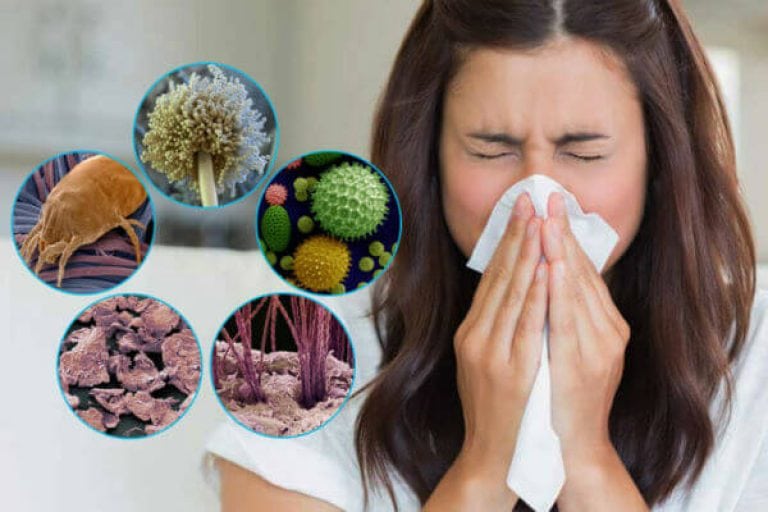
The most common cause of dust allergies is the excessive sensitivity of the human immune system to proteins and proteins found in the excrement of insects that feed on uncleaned dust.
The causative agent of allergies is not the household or library dust itself, which at the time of cleaning rises into the air and spreads throughout its entire volume, but dust mites.
The dust mite can live everywhere - books, bed linen, textiles, feather beds, mattresses, etc. can serve as its habitat. These are microscopic organisms in size 0.1-0.3 mm, which cannot be detected without special devices. The food for the dust mite is the keratinized layers of the skin, which to a large extent contains household dust. The main factors for the growth and reproduction of these parasites are high humidity and heat.
Provoking factors for the development of the disease
A child's dust allergy may be congenital if both parents are allergic.
An important factor is the diet of the expectant mother during pregnancy and lactation. Women at this time are not advised to consume so-called "aggressive foods", these include citrus fruits, smoked meats, nuts and chocolate, exotic fruits and vegetables.
Infants may be allergic to dust during the breastfeeding period if they are not getting enough breast milk or not receiving it at all. The fact is that breast milk contains protective substances necessary for the baby to resist the allergens of the surrounding world. If breastfeeding is difficult or impossible, you need to use hypoallergenic formulas.
An allergy to house dust in a child and an adult can be triggered by a lack of vitamins and minerals during seasonal exacerbations, as well as psychophysiological factors:
- depression;
- prolonged stress;
- phobias.
Symptoms
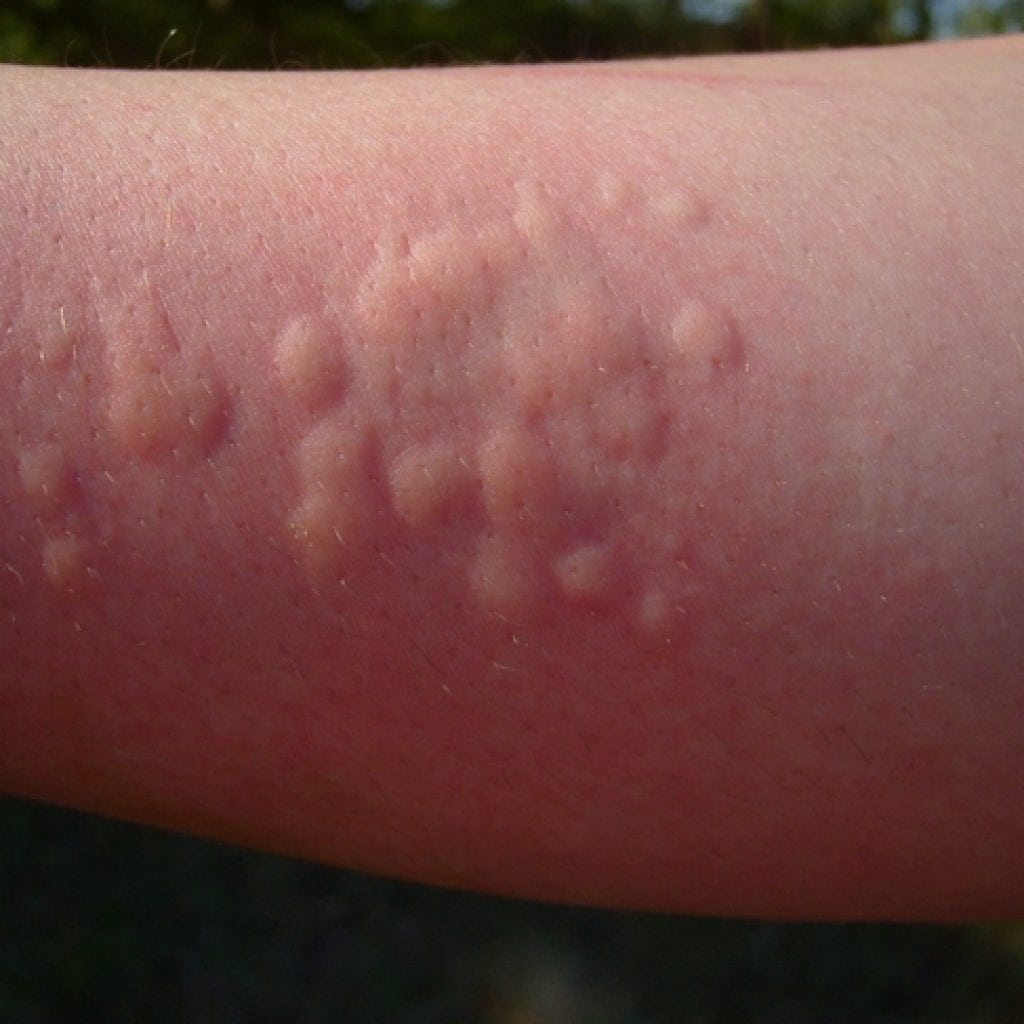
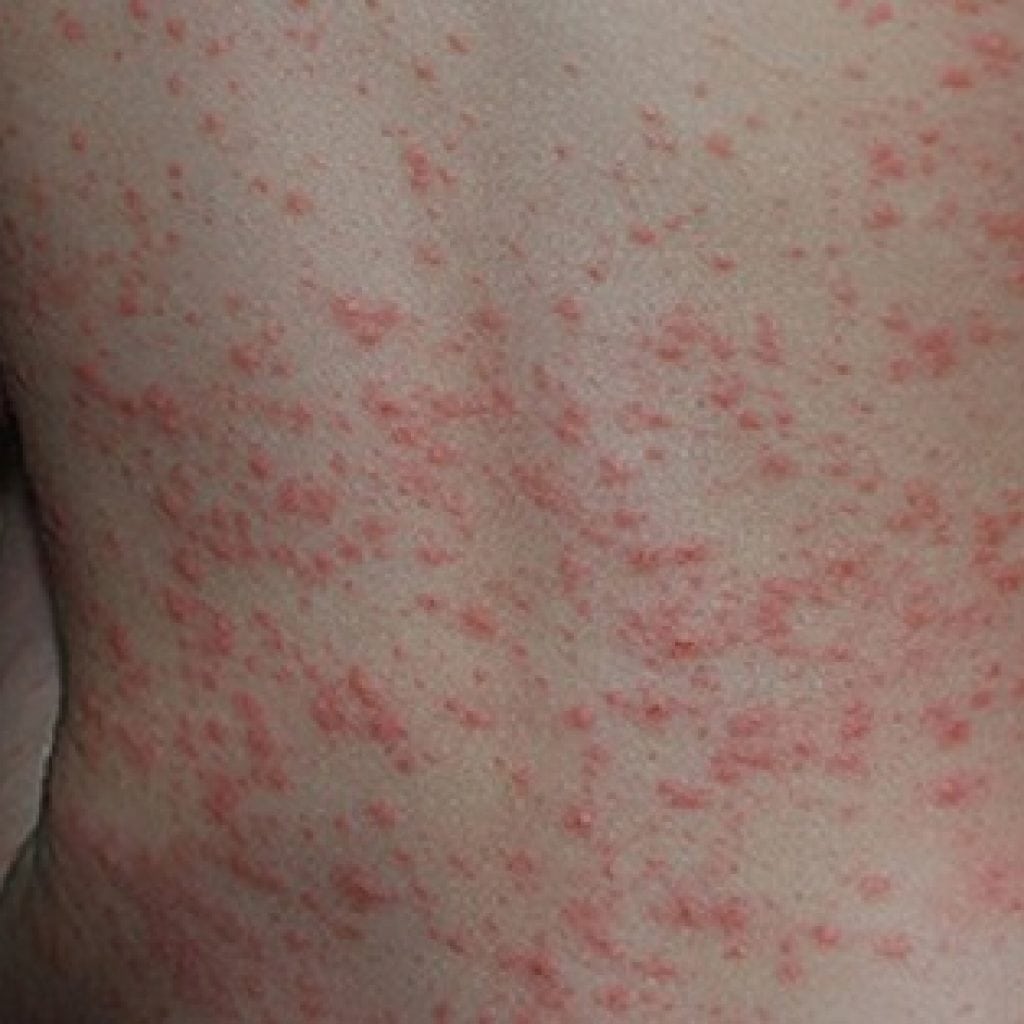
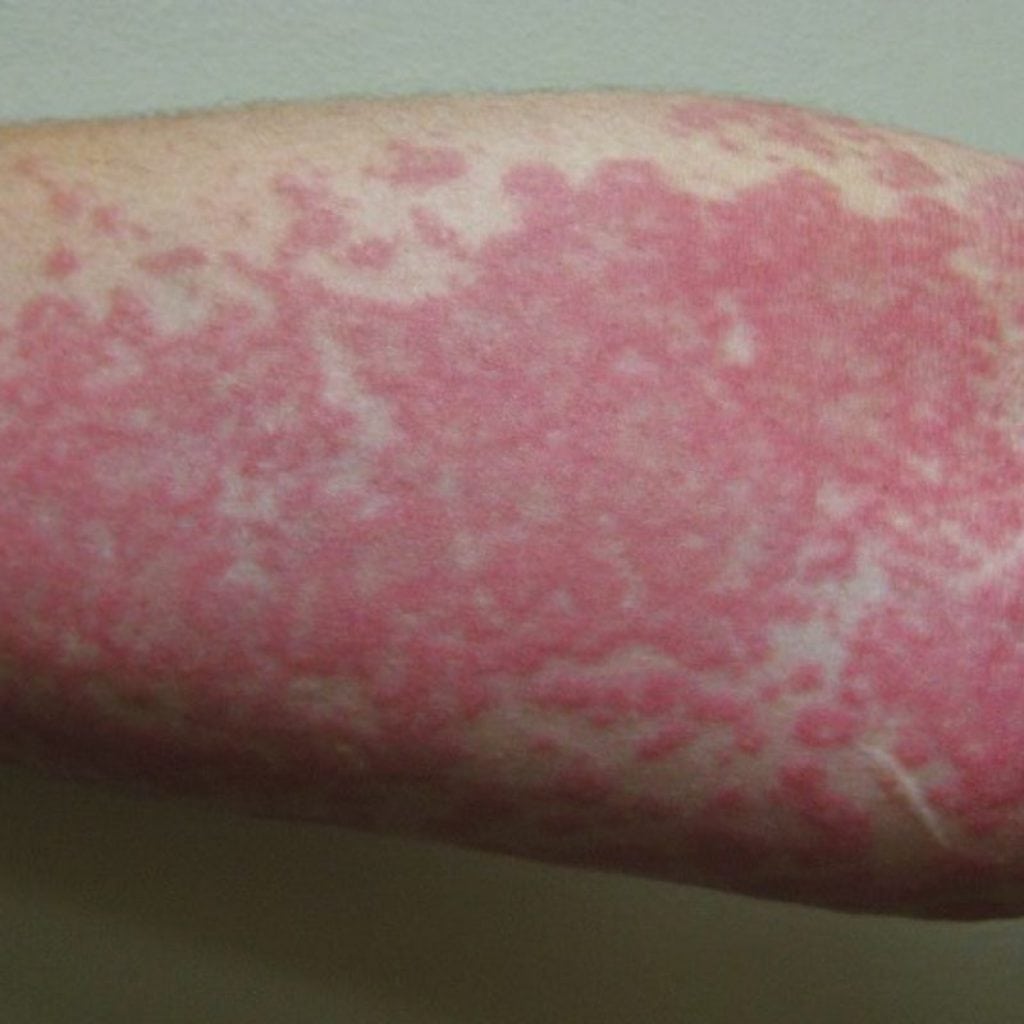
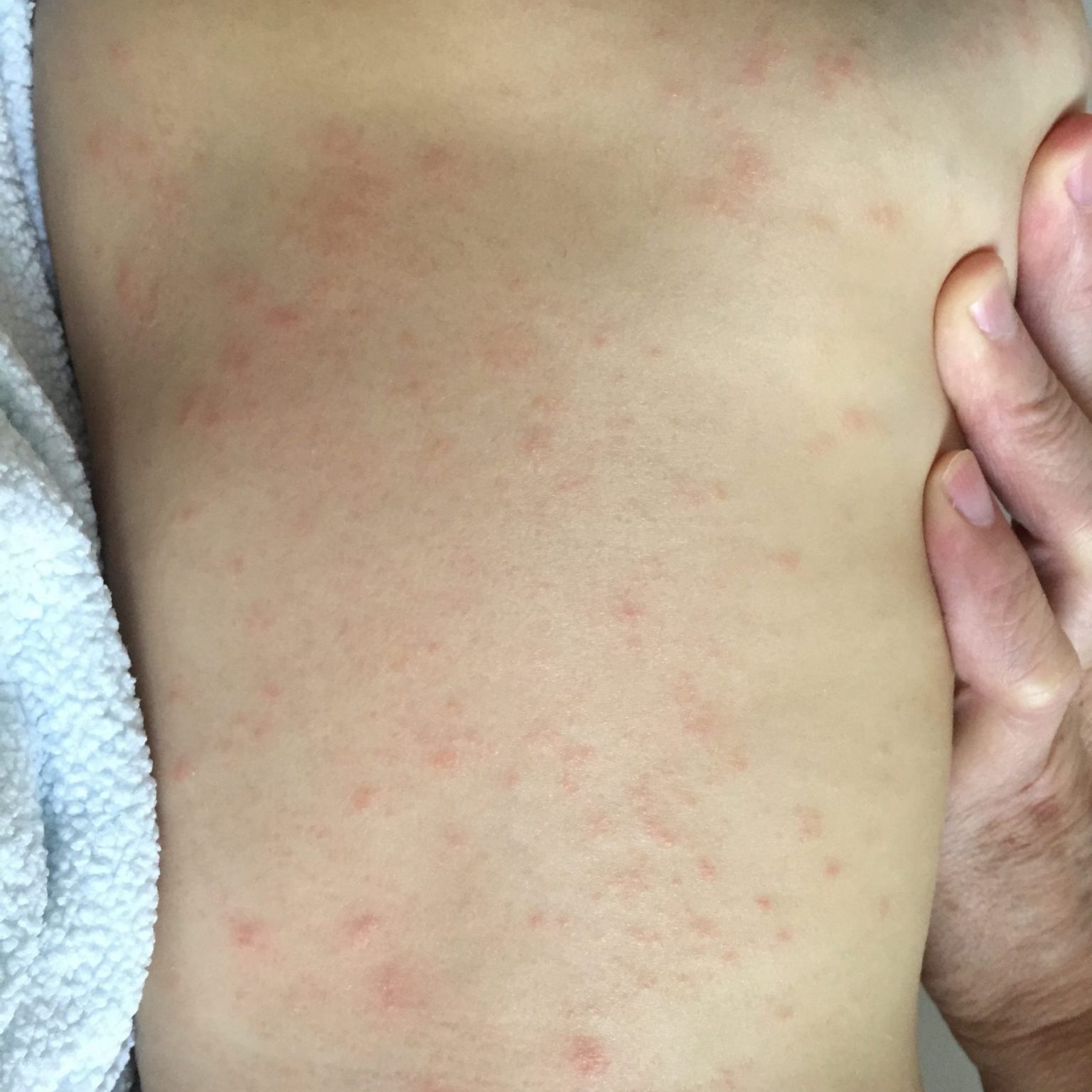
Dust allergy in adults is characterized by the following symptoms:
- allergic rhinitis. With rhinitis, a person sneezes, there is abundant discharge from the nose (transparent), the mucous membranes swell and itch, there is a sore throat;
- allergic conjunctivitis. A person with a similar symptom suffers from profuse lacrimation, his eye whites can itch and itch, their redness is observed, and possibly visual impairment. Often accompanied by photophobia and swelling of the eyelids;
- hives. An itchy rash is found on the body, blisters pop out, hyperemia of the skin is noted (as shown, see. photo above);
- bronchial asthma. During asthma, bronchial spasm occurs. The person begins to cough violently, wheezing is possible.
Read also:Mosquito bite allergy (kulicidosis)
When an allergy sufferer (both an adult and a child) is away from the allergen and the room containing it, he usually notes an improvement in his health and a weakening of negative symptoms.
An allergic reaction can catalyze negative conditions in the body, for example:
- aggravate sleep problems;
- reduce stress resistance;
- exacerbate chronic diseases.
Allergy treatment is a process that largely depends on the timeliness of diagnostic measures.
Allergy to dust in a child has similar manifestations.
Its distinctive feature is that the transition from an allergic reaction to bronchial asthma in a child is carried out much faster, with a high probability of bronchospasm and severe suffocation.
Allergy to dust in a child is a condition that should not be ignored, because in babies, respiratory arrest can be caused by a minor irritant. In addition to the above symptoms, parents need to be aware of signs of dust allergy in children such as:
- disturbances in the digestive system;
- decreased mood;
- increased irritability;
- increased body temperature, possibly accompanied by seizures;
- loss of appetite;
- sleep disorders.
Types
A type of dust allergy is an allergy to building dust.
In this case, small pieces of cement, microscopic wood waste, various types of mixtures (adhesive and dry) that enter the air are the allergen.
Book dust allergy is no less common. The mites mentioned above often choose old books as their habitat, especially if they are located in rooms with high humidity and poor air circulation. Book dust allergy can affect both adults and children.
Diagnostics
Dust allergy in adults and children is difficult in its diagnosis, moreover, it is often confused with the common cold.
Before contacting a specialist, you should first conduct self-observation (or observation of a child suffering from allergies) and note what is an irritant, under what external conditions (in what room, place, environment) the symptoms appear ailment.
The presence of an allergy to house dust can only be finally confirmed by an allergist who will prescribe treatment and give recommendations for preventive measures. You need to be ready for the diagnostic process both morally (this procedure is unpleasant) and physically - the doctor will it is necessary to introduce the allergen into the body and observe the reaction, for this it is necessary to be in good physical form.
The most common ways to diagnose dust allergies are:
- Skin tests. This is a procedure in which a few drops of common allergens are applied to the inner surface of the elbow, then in place application will make a light incision to see how the skin reacts to the irritant (examination is carried out after several minutes).
- Intradermal tests. In this case, you will be injected into the top layer of your skin, whereby the allergen will be injected. The body's perception of the allergen will be judged by the presence or absence of redness or swelling at the injection site.
- Blood test. It involves taking blood to check the body's response to various allergens. This method is considered the most reliable, and in addition, there are cases in which only its use is possible - for example, if a person cannot enter a single drop of an allergen. Also, a blood test is used when patients are small children and cannot safely tolerate scratching the skin. However, this diagnostic method does not allow you to check the reaction to a large number of stimuli, and besides, many people do not tolerate blood donation well.
- Blood test for immunoglobulin E. This method allows you to determine how dangerous the allergy has arisen and how it can develop.
Read also:Allergy in the eyes
Treatment
What if you have an allergic reaction?
Allergy pills to dust - this is the first remedy in the fight against the manifestations of the disease. These antihistamines can help relieve symptoms and improve well-being, the most popular are:
- "Tsetrin";
- "Zodak";
- "Allergy".
But how to cure an allergy to dust if the disease is violent and the condition of the allergic person is severe? In this case, taking an antihistamine may not be enough.
Medication (medications)
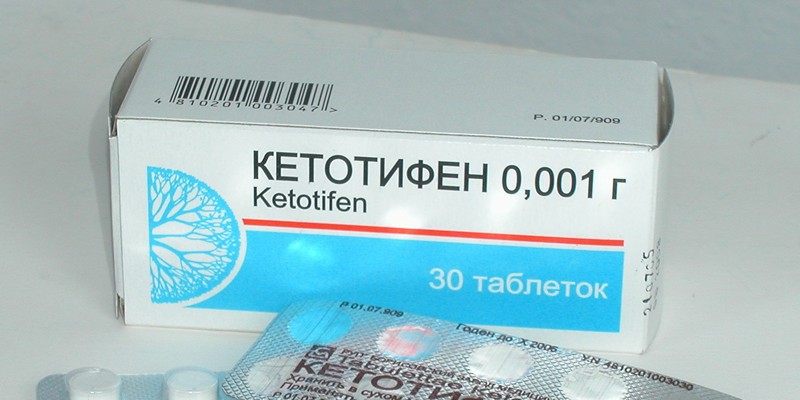
With conjunctivitis, doctors recommend using drugs that stabilize the functioning of the membranes. These are medications in the form of drops, for example:
- Ketotifen;
- Lekrolin;
- Cromohexal.
If the allergy is severe, the doctor will often prescribe medications based on corticosteroids. for example, "Hydrocortisone" (the course of treatment is 3 days), which can protect the mucous membrane of the eye from possible damage. However, if your health does not improve, you need to contact an allergist.
For rhinitis, drugs are prescribed to counteract the production of too much histamine. These are:
- Azelastine;
- Levocabastine;
- Histimet.
If rhinitis has turned into an acute form of its manifestation, sprays are prescribed based on glucocorticosteroids, which contain a sufficient amount of active substance to get rid of negative symptoms.
- Nasobek;
- Fluticasone;
- Tafen Nazal.
For a rash, the following drugs will help to relieve itching and redness:
- Hydrocortisone;
- Fenistil;
- Psylo balm.
In case of a cough, sprays are used to expand the bronchi:
- Salbutamol;
- Bricanil.
Surgery
- Conchotomy: consists in excision of the inferior concha with a scalpel, done under general anesthesia, after which the patient must be hospitalized;
- Ultrasonic moxibustion: part of the mucous membrane is destroyed by ultrasound, the operation is performed with local anesthesia and does not require hospitalization;
- Freezing (cryodestruction): the mucous membrane of the nasal sinuses is frozen with a special tube, anesthesia is not required due to the effect of cold on the nerve endings; the operation is performed on an outpatient basis;
- Laser: the areas of tissue affected by the disease are heated and destroyed by the laser; performed on an outpatient basis, no pain relief is required.
Complementary and alternative home treatments
How to treat allergies if there is no way to consult a doctor?
- Rhinitis. Get rid of allergic rhinitis rinsing the nose with warm salt water will help. This procedure will remove microscopic household dust particles from the nasal passages. You can use a special syringe designed to rinse the nose, or simply draw salt water into the nasal cavity from the palm of your hand.
- Conjunctivitis. If this ailment does not bring severe discomfort and acute pain, you can try using cold tea for treatment - you can wash your eyes with it or apply cotton pads soaked in tea to your eyes. If the allergy symptom is severe, antibacterial eye drops should be used.
- Rash. The first thing to remember when having a rash on the body is not to scratch problem areas of the skin, this will only increase the symptom of dust allergy, and besides, it is so easy to infect an open wound. You can relieve the condition by taking a cold shower - this will soothe the skin if the right medicine is not found at hand at the right time.
- Cough and asthma. This symptom should draw special attention to itself in view of its danger to the patient's health. The cough is due to a spasm of the bronchi, which can be fraught with suffocation. Therefore, in the case of such a condition, the patient must be seated and reassured, because a high level of stress can catalyze a negative state. After stopping the patient's contact with the allergen, it is necessary to ventilate the room, provide fresh air and be sure to give an antihistamine. If the measures taken do not help, and the condition worsens, immediately call an ambulance.
Read also:Anaphylactic shock (anaphylaxis): causes, symptoms, emergency care
Nutrition and Supplements
Allergy sufferers are advised to eat foods that are low in allergens. These are:
- dairy products;
- dried fruits;
- crispbread;
- chicken meat;
- cod liver and perch meat;
- greens and vegetables;
- porridge - oatmeal, rice, pearl barley.
Foods in which the content of allergens is considered to be high are dangerous:
- exotic fruits and citrus fruits;
- fresh cow's milk;
- nuts, honey;
- smoked meats, chewing gum, soda water.
Herbs (folk remedies)
Here is one recipe that is great for adults who are allergic to household dust, relieving symptoms for a long time.
You will need burdock root (50 grams) and dandelion. Pour the ingredients with warm water (about 500 ml), and let it brew for ten hours. Then boil the resulting infusion, allow to cool. Consume half a glass before meals for two months.
Household dust allergy in a child is best treated with a tincture of yarrow. You need to take 40 grams of grass (the plant must be dried) and pour 250 ml of hot water, then leave for 0.5 hour. The resulting product is consumed in 50 ml. several times a day before meals. If taken regularly, the tincture will help relieve allergic symptoms in children.
Prophylaxis
As a prevention of an allergic reaction to dust, it is recommended:
- Clean regularly and thoroughly to eliminate the allergen.
- Get rid of unnecessary furniture and feather pillows.
- Strengthen immunity, exercise.
- Quit smoking (especially if you are allergic to paper dust)
- Undergo a medical examination annually, in particular, by an allergist.
Forecast
The prognosis is favorable in most cases. This type of allergy is considered curable.
Remember! The key to a favorable outcome in the treatment of allergies is an accurate diagnosis and strict adherence to the recommendations of the attending physician.


