
Sudden cardiac arrest: causes, signs, symptoms, first aid
Content
- general information
- Causes of sudden cardiac arrest
- Heart conditions that can lead to sudden cardiac arrest
- Risk factors
- Preexisting symptoms
- Classic symptoms
- Outcomes after cardiac arrest
- Conclusion
general information
Sudden cardiac arrest - a serious and life-threatening medical emergency characterized by sudden loss of consciousness, breathing and pulse. This may be preceded by dizziness, dyspnea and heart palpitations (tachycardia), although some have no warnings at all. Symptoms of cardiac arrest come on suddenly and require immediate treatment.
Cardiac arrest is usually caused by an electrical disturbance that disrupts the pumping activity of the heart, stopping blood flow to the rest of the body. Rapid cardiopulmonary resuscitation (CPR) and the use of a defibrillator that sends an electrical impulse to the chest to restart the heart are necessary. Any delay in leaving can increase the risk of death.
According to the report, there are more than 356,000 cases of cardiac arrest outside the hospital each year. Almost 90% of these are fatal.
Despite this, early recognition of the signs and symptoms of cardiac arrest, along with a quick and adequate response, can significantly increase the chances of survival.
Causes of sudden cardiac arrest
A heart rhythm problem (arrhythmia) - the result of a problem with the electrical system of the heart - is a common cause of sudden cardiac arrest.
The heart's electrical system controls the heart rate and rhythm. If something goes wrong, the heart may beat too fast, too slow, or irregularly (arrhythmia). These arrhythmias are often short and harmless, but some types can lead to sudden cardiac arrest.
The most frequent heart rhythm during cardiac arrest is arrhythmia in the lower chamber of the heart (ventricle). Rapid, erratic electrical impulses cause the ventricles to tremble unnecessarily rather than pumping blood (a condition called ventricular fibrillation).
Heart conditions that can lead to sudden cardiac arrest
Sudden cardiac arrest can happen in people who have no known heart disease. However, life-threatening arrhythmias usually develop in a person with a pre-existing, possibly undiagnosed heart condition, including:
- Ischemic heart disease. Most cases of cardiac arrest occur in people with coronary artery disease, when the arteries become clogged with cholesterol and other deposits, reducing blood flow to the heart.
- Heart attack. If a heart attack occurs (myocardial infarction), often as a result of severe coronary artery disease, it can cause ventricular fibrillation and sudden cardiac arrest. In addition, a heart attack can leave scar tissue in the heart. Electrical short circuits around scar tissue can lead to irregular heartbeats.
- Enlarged heart (cardiomyopathy). This occurs primarily when the muscle walls of the heart stretch, enlarge, or thicken. Then the muscles of the heart deviate from the norm, which often leads to arrhythmias.
- Valvular heart disease. Leaking or narrowing of heart valves can stretch or thicken the heart muscle. When the chambers become enlarged or weakened due to the stress caused by a pinched or leaking valve, there is an increased risk of arrhythmias.
- Congenital heart defect. When sudden cardiac arrest occurs in children or adolescents, it may be due to a heart defect that was present at birth (congenital heart disease). Adults who have had corrective surgery for a congenital heart defect still have a higher risk of sudden cardiac arrest.
- Electrical problems in the heart. For some people, the problem lies in the electrical system of the heart itself, and not in the heart muscle or valves. These are called primary heart rhythm disturbances and include conditions such as Brugada syndrome and long QT syndrome.
Read also:Angina pectoris (angina pectoris): causes, symptoms and treatment, first aid
Risk factors
Since sudden cardiac arrest is very often associated with coronary artery disease, the same factors as who put them at risk for coronary artery disease may also risk sudden stopping hearts. They include:
- a family history of coronary artery disease;
- smoking;
- arterial hypertension (high blood pressure);
- high blood cholesterol levels;
- excess weight (or obesity);
- metabolic syndrome;
- diabetes;
- sedentary lifestyle.
Other factors that can increase your risk of cardiac arrest include:
- a previous episode of cardiac arrest or a family history of cardiac arrest;
- a previous heart attack;
- a personal or family history of other forms of cardiovascular disease, such as abnormal heart rhythms, congenital heart defects, heart failure and cardiomyopathy;
- age - the frequency of sudden cardiac arrest increases with age;
- male gender;
- taking illegal drugs such as cocaine or amphetamines;
- a food imbalance, such as low potassium or magnesium levels;
- obstructive sleep apnea syndrome;
- chronic kidney disease.
Preexisting symptoms
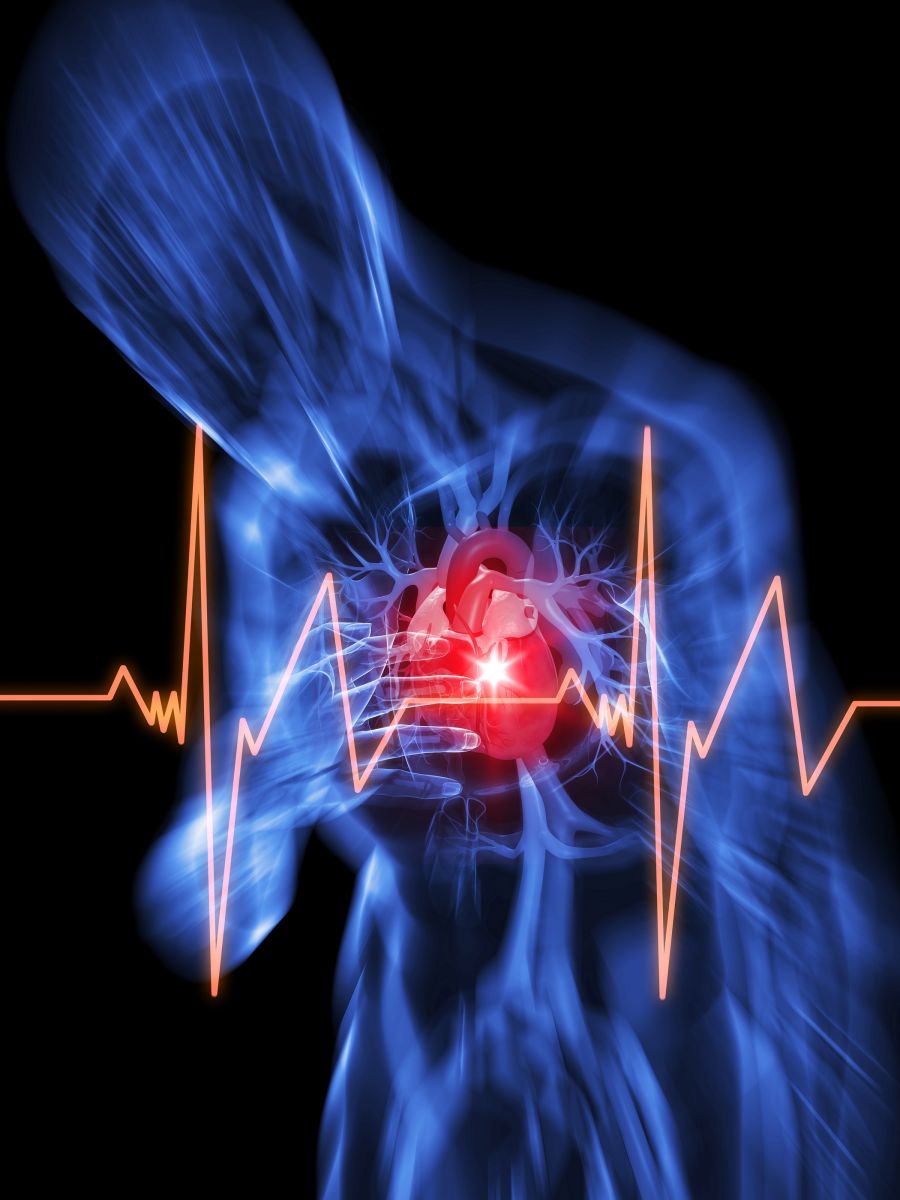
Some people who are experiencing cardiac arrest feel that something is wrong already ahead of time. In some cases, cardiac arrest will be preceded by a condition known as severe autonomic hyperreflexiain which the involuntary nervous system overreacts, causing:
- sudden anxiety and apprehension ("a sense of doom");
- irregular heartbeat (arrhythmia);
- headache;
- profuse sweating;
- sudden nasal congestion;
- dizziness;
- dilated pupils;
- clouding of consciousness.
These symptoms can, of course, be confused with the symptoms of some other conditions.
However, often people do not realize that there is a problem until the very event of cardiac arrest occurs.
Classic symptoms
Cardiac arrest can mimic other conditions, depending on the cause. For example, someone may have seizure-like seizures, or you may notice that someone is choking if they start coughing and breathing heavily.
Despite this, the symptoms of cardiac arrest are rapid and dramatic.
Read also:Endothelial dysfunction
There are 3 signs that, when present together, can help distinguish cardiac arrest from another emergency. Even if you are in doubt about what you see, seek emergency medical attention.
Sudden loss of consciousness.
Cessation of blood flow to the brain deprives it of the oxygen and sugar it needs to function, leading to loss of consciousness (faintingy). This will happen within 20 seconds of cardiac arrest.
Unlike other forms of fainting, in which a person may wake up suddenly or intermittently, loss of consciousness with cardiac arrest will persist until cardiac function is restored and blood circulation.
Stop breathing.
With cardiac arrest, loss of consciousness will be accompanied by a complete cessation of breathing. This is because the brain immediately shuts down the body's involuntary functions necessary for survival, including breathing, when it is suddenly deprived of oxygen.
At the onset of cardiac arrest, there are often excruciating, suffocating movements called agonal breathing, in which a person is suddenly deprived of air before suddenly collapsing. Agonal breathing is not breathing itself, but rather a brainstem reflex as it faces catastrophic cardiac dysfunction.
If heart function and breathing are not restored within 5 minutes, permanent brain damage can occur.
Lack of pulse.
A lack of pulse is a central sign of cardiac arrest. Unfortunately, this symptom is often overlooked by lay rescuers who do not know how to feel for a pulse. Don't waste time looking for a pulse if the person has already fainted and stopped breathing.
In some parts of the country, even professional rescuers are asked to ignore the pulse and initiate artificial respiration and defibrillation of the lungs if the person stops breathing.
If the person stops breathing, call 112 and start cardiopulmonary resuscitation (CPR). Compression of the chest (chest compressions) should be done to a depth of 5-6 cm at a speed of 100-120 clicks per minute with artificial respiration. The ratio of compressions and breaths should be 30 to 2 for adults.
Even if it turns out that this is not a cardiac arrest, CPR will not harm the person.
Read also:Atrial fibrillation
Outcomes after cardiac arrest
Early CPR with defibrillation is the only way to reverse cardiac arrest. Speed is of great importance if a person wants to survive. For every minute that passes without defibrillation, the chances of survival are reduced by 7-10%. If an ambulance arrives and performs defibrillation on time, the survival rate reaches 49%.
Unfortunately, resuscitation is rarely successful if more than 10 minutes have elapsed since the onset of cardiac arrest.
Conclusion
If you are confronted with someone who has passed out and is no longer breathing, do not waste your time trying to figure out if this is cardiac arrest or not.
Just act and call others around you to help.
Sudden cardiac arrest will not reverse itself; immediate, practical intervention is required. Call 112 or 03 now and if you can, do CPR before the ambulance arrives.


